Yo Te Esperaré Lyrics in English by Cali Y El Dandee
Guerra is the Spanish word for "war." It's an intense and powerful word that adds a shocking and mysterious layer to this otherwise romantic ballad.
Near the end of the song, the narrator reveals the reason for his separation with the line, "Porque la guerra me quitó tu mirada" (Because the war took your gaze from me). This single word transforms the song from a simple breakup story into a tragic tale of loss caused by forces beyond the lovers' control, making you eager to uncover the whole story.
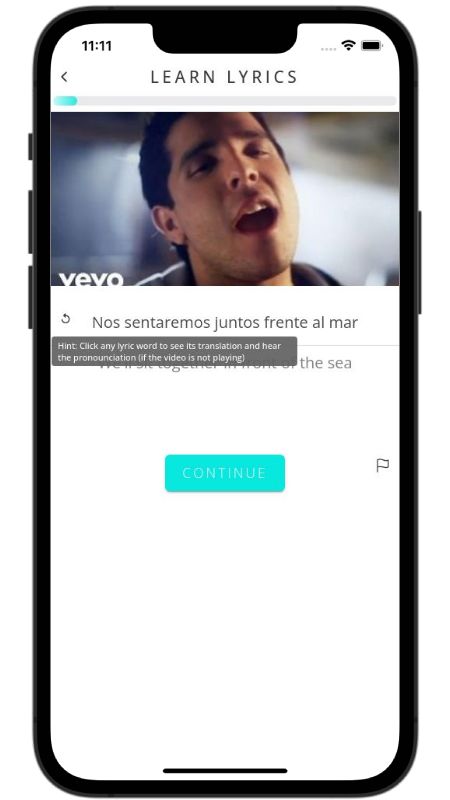
This song starts like a beautiful, romantic promise. The singer tells someone he loves, "Yo te esperaré" (I will wait for you), imagining a future where they'll sit by the sea together. He's so sure of their love that he says, "Y aunque se pase toda mi vida, yo te esperaré" (And even if my whole life passes, I will wait for you). It sounds like a classic love song about waiting for someone to come back after a fight.
But then, the story takes a dark and surprising turn. We learn they had an argument, and in anger, he said, "si te vas no vuelvas" (if you leave, don't come back). A few days later, on September 7th, he gets a mysterious phone call telling him where she is and not to call the police. The song ends by repeating the line, "Porque la guerra me quitó tu mirada" (Because the war took your gaze from me). This changes everything. The fight wasn't just a simple breakup; it was their last moment together before she was taken, a victim of the conflict in Colombia. His promise to wait is now a desperate hope for her return from a terrible situation.





























![Nada [Acustico] Lyrics Translation](https://img.youtube.com/vi/H5LTzDzjp_A/mqdefault.jpg)