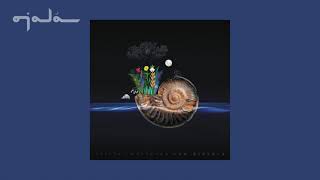
De La Ausencia Y De Ti, Velia Lyrics in English by Silvio Rodriguez
Nostalgia translates directly to "nostalgia" in English, a feeling of longing for the past. While the word itself is similar in both languages, its presence in this song is particularly poignant.
Silvio Rodriguez uses it to describe the "inevitable defect that is the nostalgia of small and silly things." This line beautifully captures the bittersweet essence of missing not just grand moments, but also the seemingly insignificant details that make up a cherished past. It's a universal emotion, making the word deeply relatable and evocative.
This song feels like a deeply personal reflection, a journey through memory and longing. The singer is searching for something precious, a "diamante" [diamond], and it seems to be an internal quest, as he says he won't "mirad a los mapas seguiré en mi mismo" [look at maps, I will follow myself]. He's trying to forget certain things, like a "libro" [book] that was once part of him, or perhaps he's trying to create a new song.
There's a strong sense of waiting for someone named Velia. He mentions that "la ciudad los amigos y el mal" [the city, the friends, and the bad] are all the same, and he's still going to "tete" [a place, possibly a regular meeting spot] week after week, remembering their time there. Even amidst talk of "fusiles" [rifles] and "despidiendo muertos" [saying goodbye to the dead], he feels Velia's presence, perhaps through someone else's love, saying "es por eso tal vez que te siento en su sangre" [it's for that reason perhaps that I feel you in her blood]. He grapples with the "ausencia de ti" [absence of you] and the "nostalgia de cosas pequeñas y tontas" [nostalgia for small and silly things], like "reír madrugada sin ir a dormir" [laughing at dawn without going to sleep]. He wishes he were old and wise enough to tell her all he couldn't before, wanting to be "un libro salvaje" [a wild book] or "un muerto que aprende a besar" [a dead man who learns to kiss] for her.