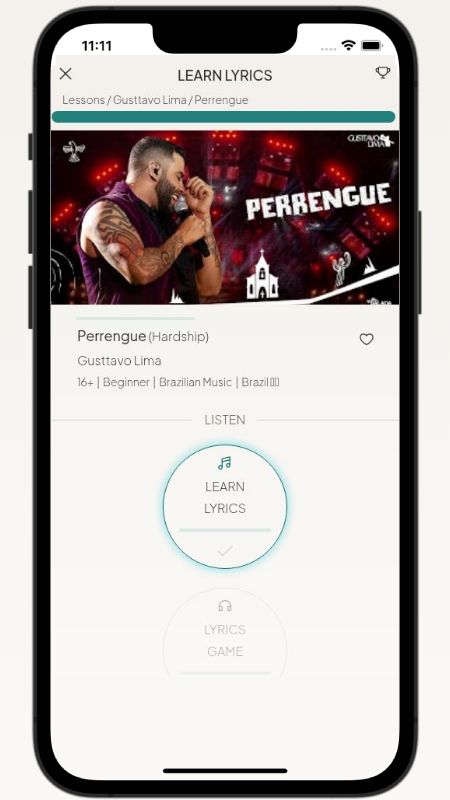
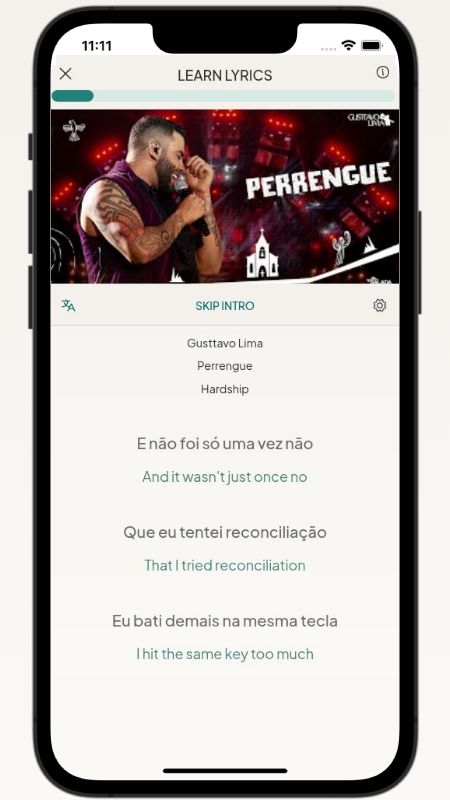
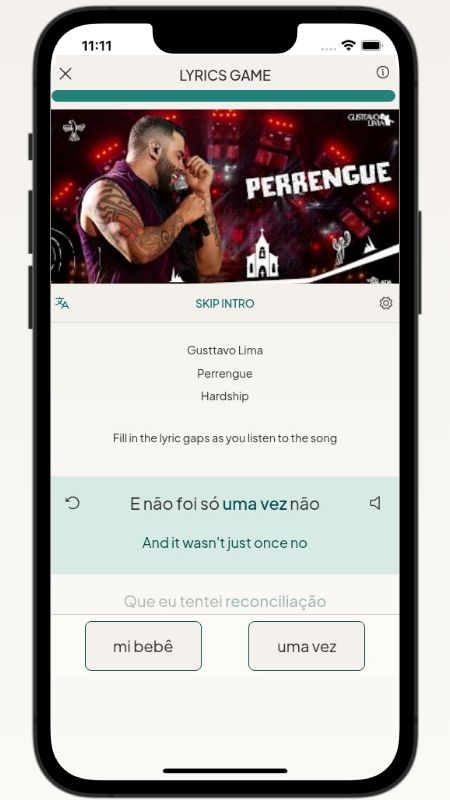
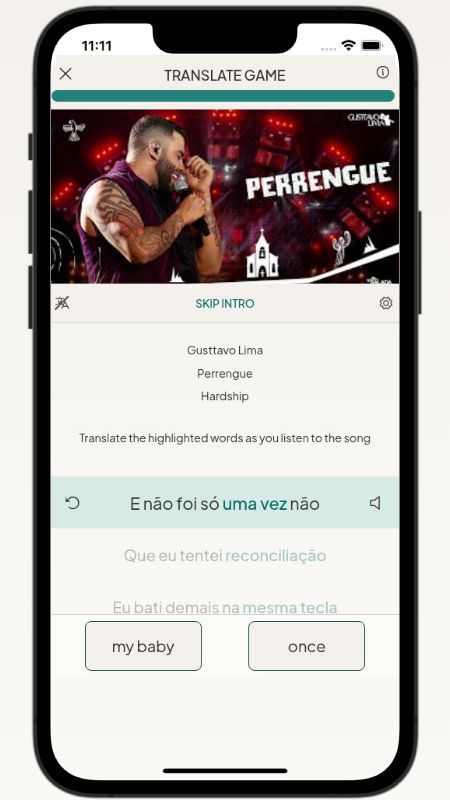
Perrengue Lyrics in English by Gusttavo Lima
Perrengue is a very Brazilian Portuguese slang term that describes a difficult, uncomfortable, or embarrassing situation, often tied to financial or emotional struggle. It perfectly captures the feeling of going through a tough time.
In the song, "'cê vai passar o perrengue que meu coração sofreu" means "You're going to go through the same tough time my heart went through". The word gives the line a very casual, lived in Brazilian flavor.
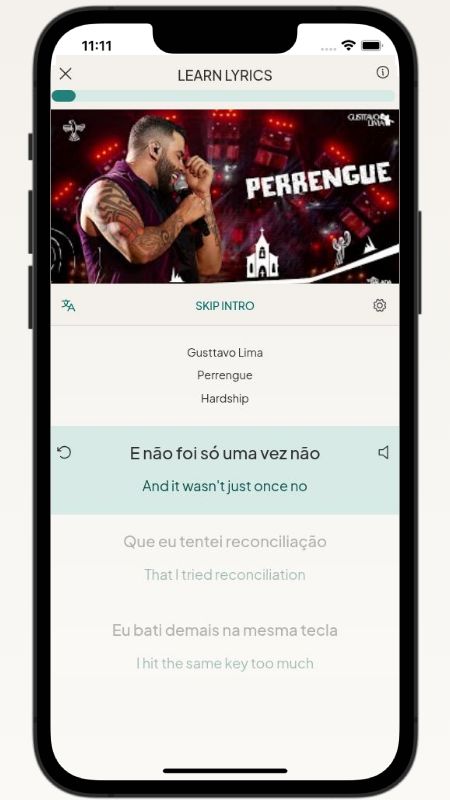
This song is for anyone who's ever felt like they were the only one trying in a relationship. Gusttavo Lima lays it all out: he wanted peace, but his partner wanted war. He says, "Até onde eu sei, relacionamento é a dois" (As far as I know, a relationship is for two), but he was getting ignored. The line "Meu nome na sua agenda era 'atender depois'" (My name in your phonebook was 'answer later') is such a perfect, modern way to describe feeling unimportant.
So, he ends it. He admits he's sad and that he'll miss her, saying "Eu vou beber lembrando, eu vou" (I'm going to drink remembering, I will). But this isn't just a sad breakup song. He's predicting that she's about to go through a "perrengue"—a Brazilian Portuguese word for a really tough time or a hardship. He's sure that once she realizes what she's lost, she'll feel the same pain he did. The final line is a killer comeback: "Tudo que vai volta, menos eu" (Everything that goes around comes around, except me).