EN ALTAVOZ Lyrics in English by Grupo Frontera, Junior H
Altavoz literally means "loudspeaker" or "speakerphone," combining the words alta (loud) and voz (voice).
In this song's emotional chorus, the singer asks his ex to "ponme en altavoz" (put me on speakerphone). He wants to make sure his declaration of love is heard loud and clear, not just by her, but by anyone else who might be listening. This single word captures the entire dramatic and vulnerable scene of the song.
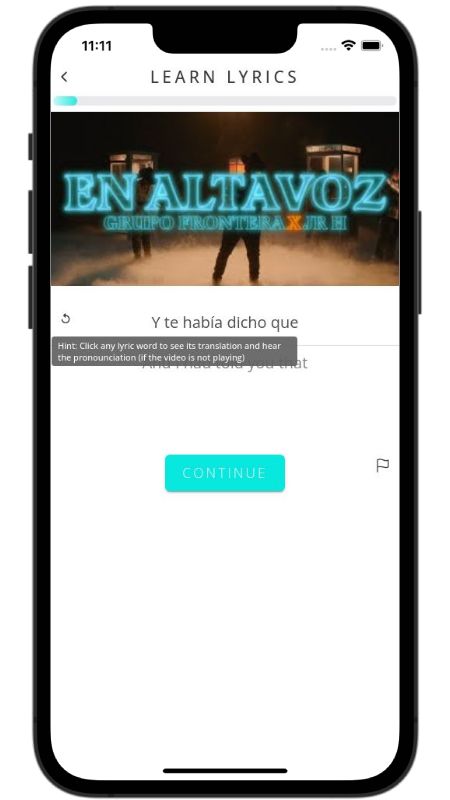
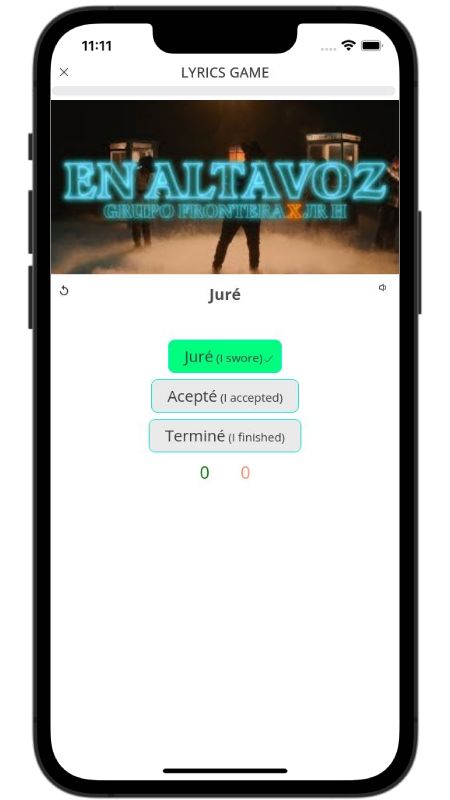
Ever made a call you probably shouldn't have? That's exactly what's happening in this song. The singer breaks his own promise, "Juré / Y te había dicho que / Ya no te iba a llamar" (I swore / And I had told you that / I wasn't going to call you anymore), because he just can't stop thinking about his ex. He's had a few drinks and decides it's the perfect time to let her know exactly how he feels.
His big demand is "ponme en altavoz" (put me on speakerphone) so everyone can hear him loud and clear. He's not over her, he's not used to being alone, and he wants to know when she's coming back. He even makes the classic late-night call excuse: "Sé que no son horas para estar llamando / Pero para andar dolido no hay horario" (I know it's not the time to be calling / But there's no schedule for being in pain). It's a bold, slightly messy declaration of love from someone who refuses to believe it's really over.