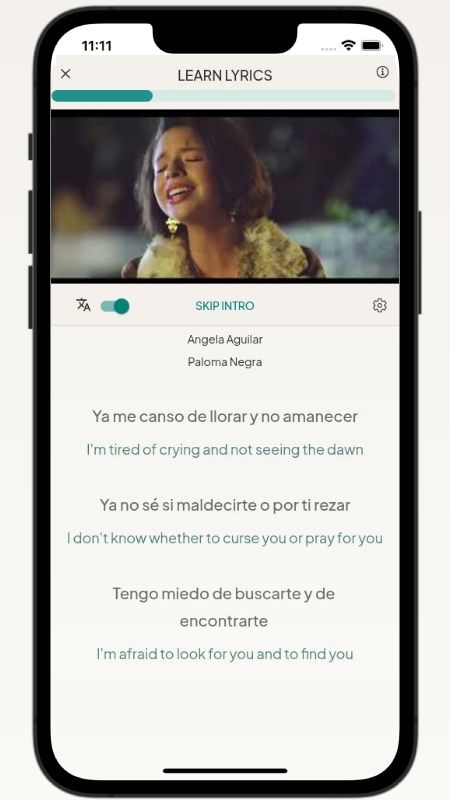
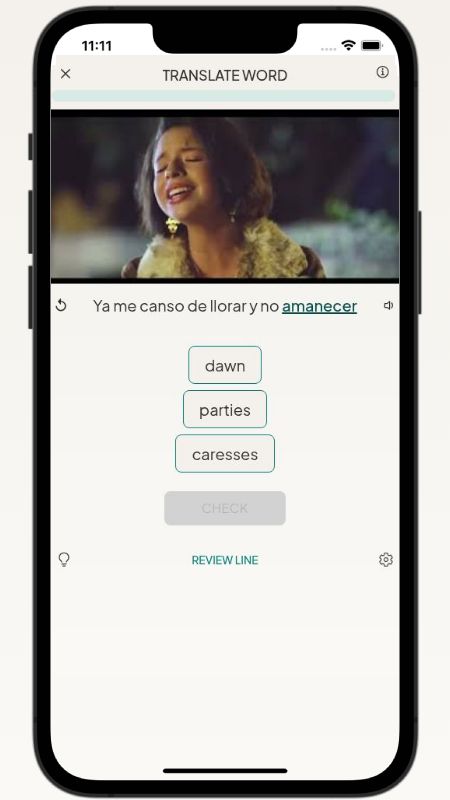
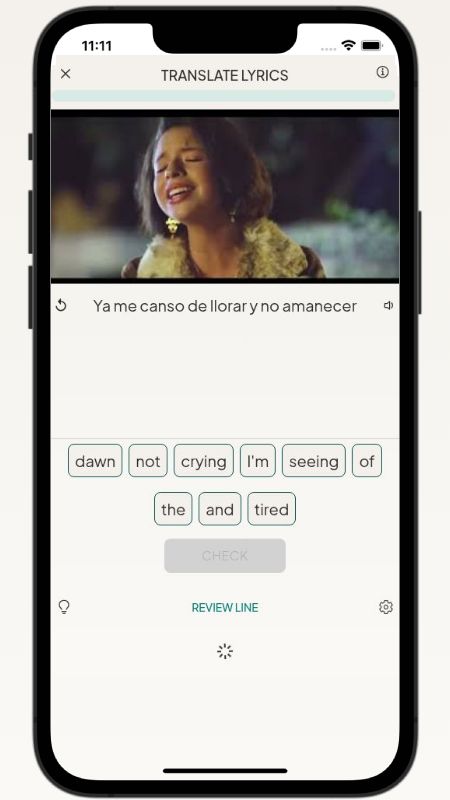
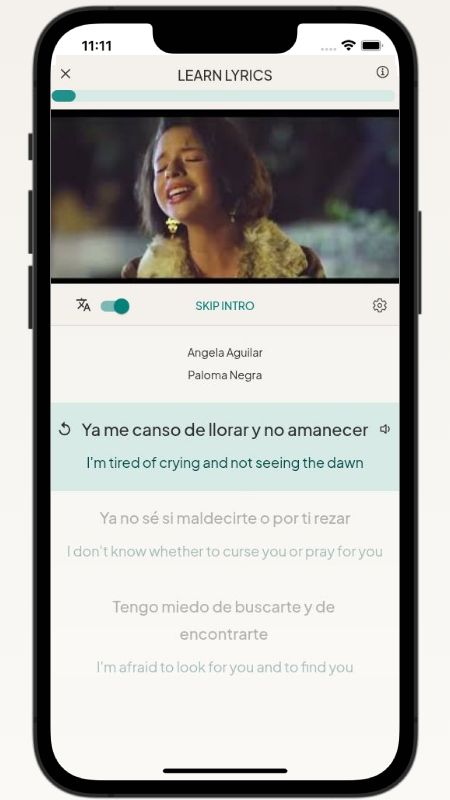
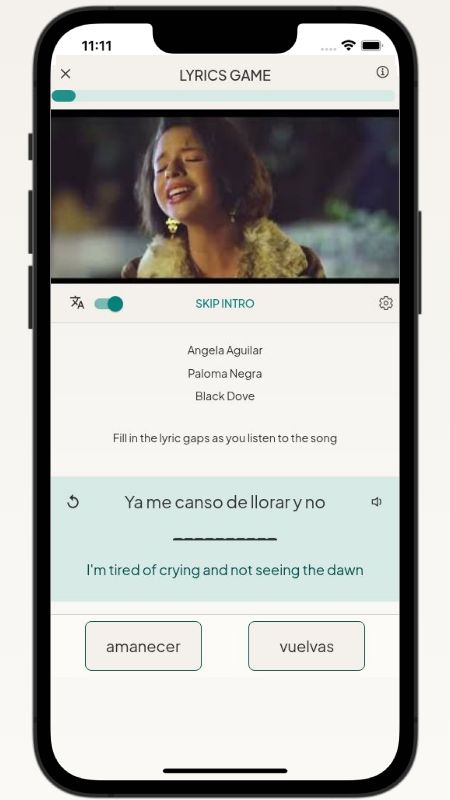
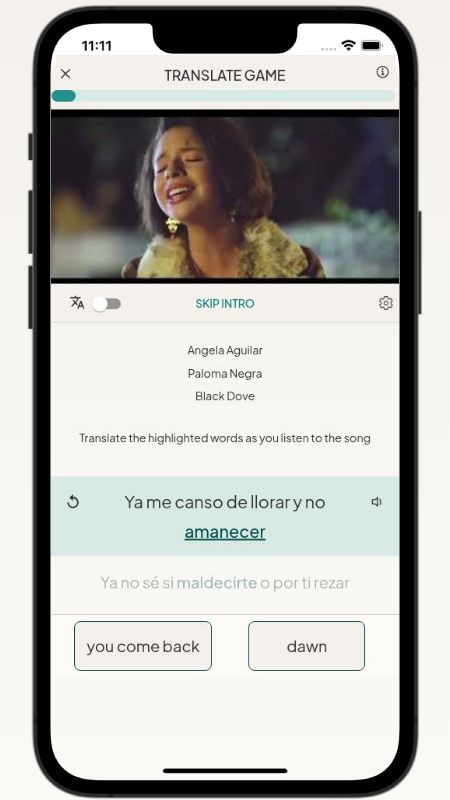
Paloma Negra Lyrics in English by Angela Aguilar
Paloma negra is the central metaphor of this classic ranchera song, literally translating to "black dove".
While a dove (paloma) is typically a symbol of peace and innocence, adding the color black transforms it into a powerful symbol for a wayward lover who brings sorrow. The singer uses this beautiful yet haunting phrase to address the person who has flown away to a life of partying, leaving her heartbroken.
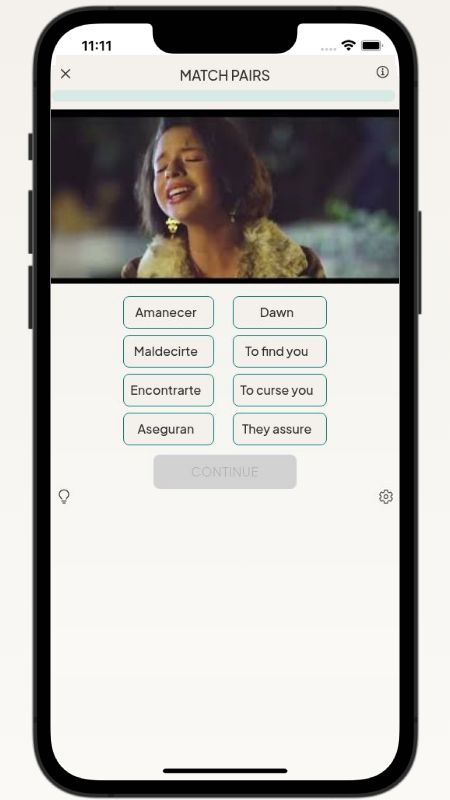
This is a classic song about being trapped in a toxic relationship, and it's absolutely full of drama. The singer is torn between two feelings for her lover, who she calls a "Paloma negra" [Black dove]. One minute she's wondering, "¿maldecirte o por ti rezar?" [should I curse you or pray for you?]. She knows her partner is out partying all night— "Ya agarraste por tu cuenta las parrandas" [You've taken to partying on your own]—and she's afraid to go find out the truth.
Even though she's in so much pain, she can't let go. She says, "mis ojos se mueren sin mirar tus ojos" [my eyes die without looking at your eyes]. But she's also trying to find the strength to leave. She calls her lover "la reja de un penar" [the bars of a sorrowful prison] and begs for freedom. The song ends with a desperate prayer: "Dios, dame fuerzas, que estoy muriendo por irlo a buscar" [God, give me strength, because I'm dying to go look for him]. It's this intense back-and-forth between love, hate, and the desire for freedom that makes the song so powerful.