Lamine Lyrics in English by Morad
Sofoco literally means "suffocation," but it's often used to describe a feeling of being overwhelmed by stress, anxiety, or heat.
In the song, Morad uses this powerful word to reveal a paradox about his success. He sings, "Cuando había mucho es cuando más había sofoco" (When there was a lot is when there was the most distress), explaining that having more money and fame actually brought him more problems and anxiety. It's a deep and insightful word that captures the song's core theme about the pressures of rising to the top.
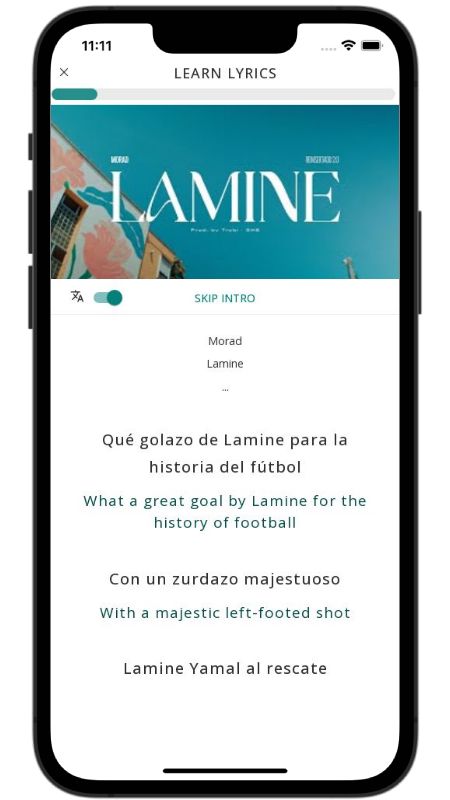
Spanish rapper Morad kicks this track off with real match commentary celebrating football star Lamine Yamal's left-footed goal, setting up a sharp parallel between making it on the pitch and surviving on the pavement. Morad takes Yamal's jersey number and his neighborhood roots ("El 304 representando la calle" [The 304 representing the street]) to talk about loyalty, jealousy, and street smarts. He warns you to watch your back because "de espaldas vienen todas las balas" (all the bullets come from behind) and "hay pocos que lo hacen de cara" (few people confront you face to face).
Instead of bragging about luxury cars, Morad keeps it grounded in family and pride: "Mamá es de África, papá es de África" (Mom is from Africa, dad is from Africa) and notes that coming from the bottom is exactly where he gets his confidence ("Vengo de la calle, por eso tengo autoestima" [I come from the street, that is why I have self-esteem]). He points out fake friends who only show up when you win ("todos en el triunfo están al lado" [everyone is by your side during the triumph]), contrasts past poverty with current success, and reminds everyone that whether you are scoring goals in a stadium or dodging trouble on the block, staying true to your origins is the only win that counts.









![No Estuviste En Lo Malo [Remix] Lyrics Translation](https://img.youtube.com/vi/yxbXSSjykKg/mqdefault.jpg)