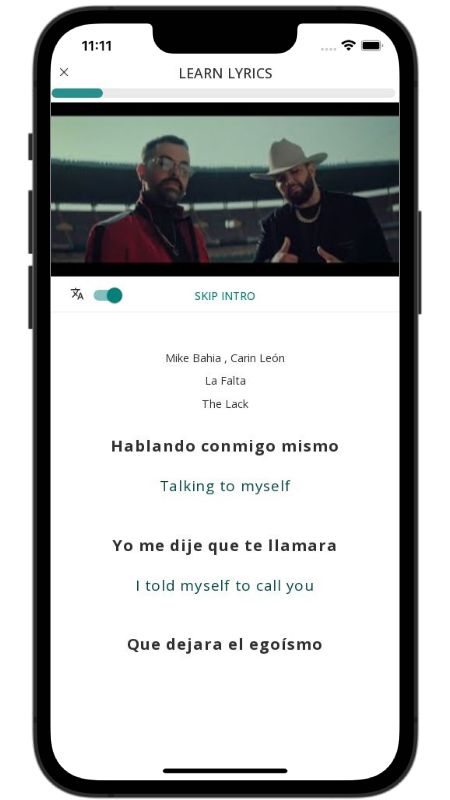
La Falta Lyrics in English by Mike Bahia, Carin León
Falta is a versatile word that most commonly means "lack" or "absence". This is why the phrase "me haces falta" translates to "I miss you"—literally, "you create a lack in me".
However, this song, titled "La Falta", uses a brilliant play on words. Falta also means "foul" in sports. The lyrics say, "no hay árbitro que pite esta falta que me haces" (there's no referee to call this foul you're committing against me), cleverly mixing the pain of someone's absence with the feeling of being wronged.
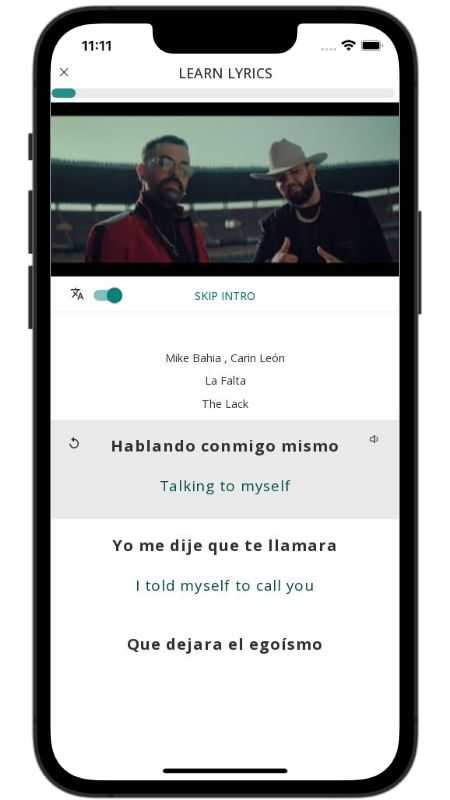
This song is a straight-up plea from someone who knows he messed up. Mike Bahia kicks it off by admitting he's arguing with himself, trying to swallow his pride and find an excuse to call his ex. He says, "Que el orgullo es tan dañino" [That pride is so damaging], and he can't stand the thought of someone else kissing her. It's been days since they've talked, and he's desperate for it not to turn into months.
The chorus is just him repeating how much he misses her: "Me está haciendo falta / Verte aquí y eso así me mata" [I'm missing you / Seeing you here, and that's killing me]. He uses a clever play on words, saying there's no referee to call "esta falta que me haces" [this foul you're committing against me], where "falta" means both a foul in a game and the lack of her in his life. He's not just lonely; he's imagining a whole future, telling her, "Quiero que tus nietos también me digan abuelo" [I want your grandchildren to also call me grandpa]. It's a heartfelt, slightly desperate message about wanting someone back, no matter what.