Te Mata Lyrics in English by Kali Uchis
Diabla literally translates to "she-devil". It's a powerful word that captures the song's central theme of female empowerment and defiance.
In the lyrics, Kali Uchis describes how she was cast as the villain in someone else's story: "la diabla de tu historia" (the she-devil of your story). Instead of fighting the label, she powerfully reclaims it, declaring, "pues diabla es lo que soy" (well, a she-devil is what I am), turning an insult into a symbol of her strength and independence.
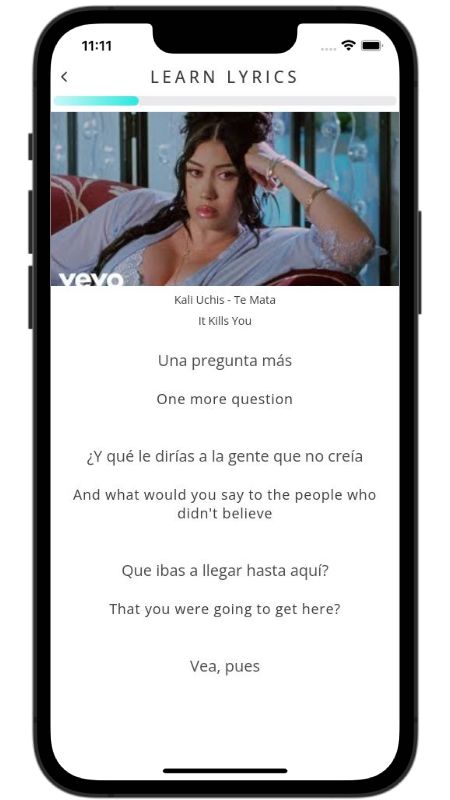
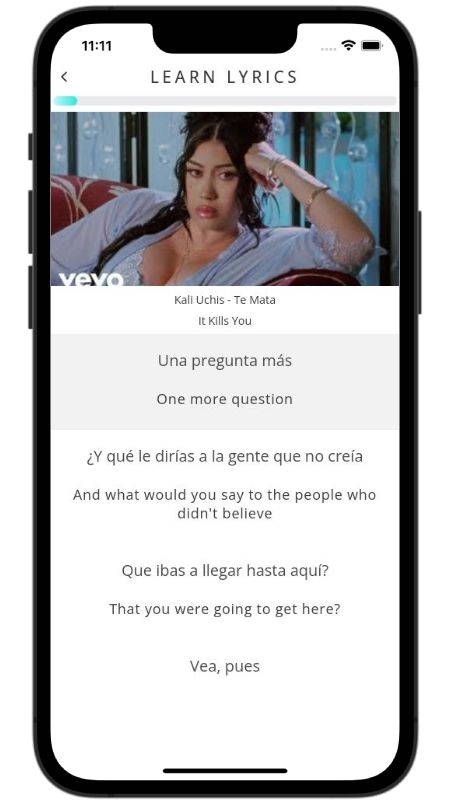
"Te Mata" opens with an interviewer asking what Kali Uchis would say to anyone who doubted she would make it this far. Her response sets the mood immediately: "A mí me gusta que vean lo feliz que soy sin ellos" [I like that they see how happy I am without them]. What follows is a dramatic breakup track where she confronts an ex who treated her badly, recalling how their actions "dolían como balas" [hurt like bullets] while she silently cried herself to sleep. Instead of staying broken, she grew her own wings to fly away, and now she fully embraces being the villain in her ex's narrative. As she puts it, "Si eso me hace mala, pues diabla es lo que soy" [If that makes me bad, then a devil is what I am].
What makes this track hit so hard is the petty satisfaction running through every line. The phrase "eso te mata" translates literally to "that kills you," but in everyday Spanish, it means something is driving someone crazy with jealousy or frustration. Kali knows that seeing her thrive with someone new who actually makes her laugh is what hurts her ex the most. She sings "mis días ya no son gris" [my days are no longer gray], drawing a clean line between the misery she tolerated in the past and the freedom she refuses to give up now.