Otro Día Más Sin Verte Lyrics in English by Jon Secada
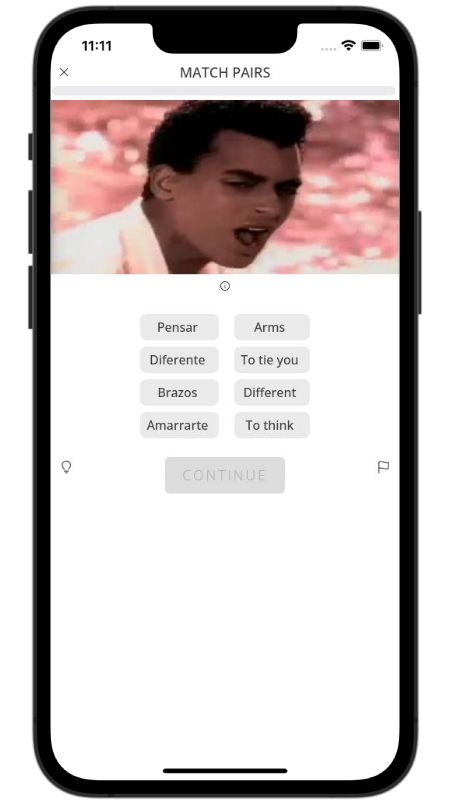
Amarrarte literally means "to tie you up". It's a powerful and dramatic verb that expresses an intense desire to keep a loved one from leaving.
In this passionate ballad, Jon Secada sings "Quiero amarrarte a mí" (I want to tie you to me). He uses this strong visual metaphor to convey his desperation and the feeling that he can't bear to be apart from the one he loves.
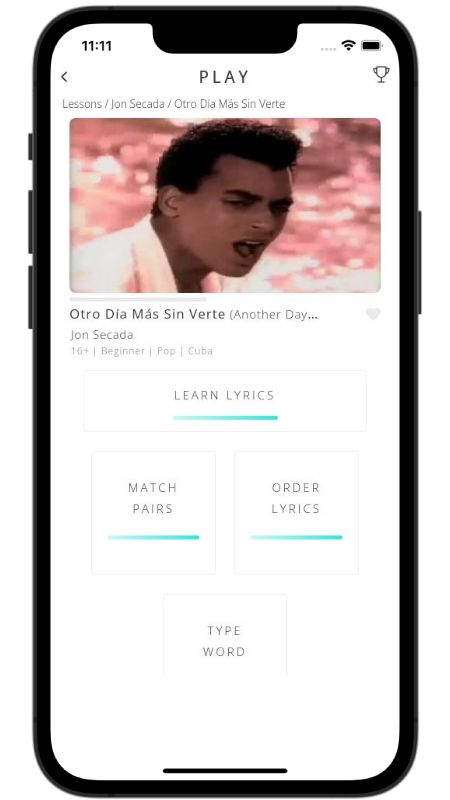
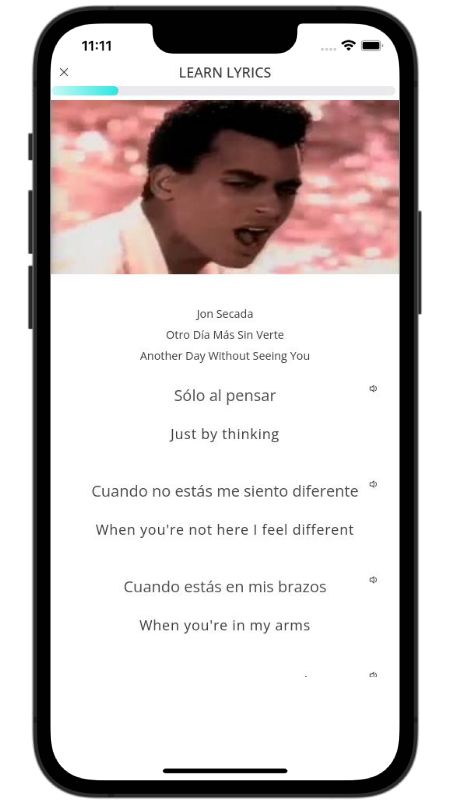
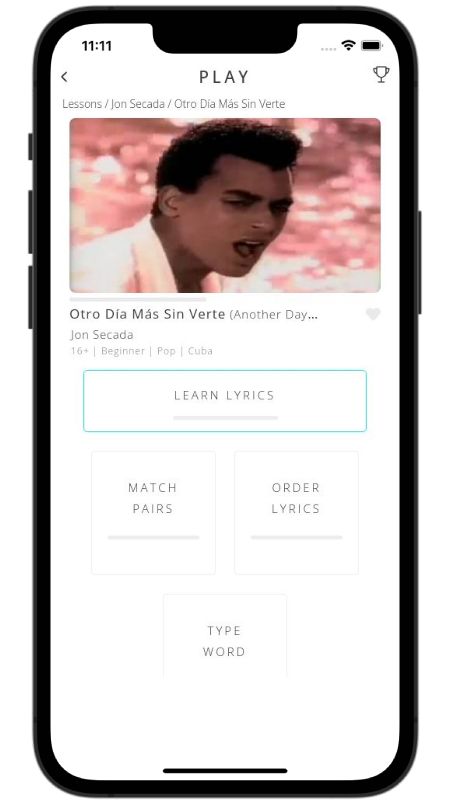
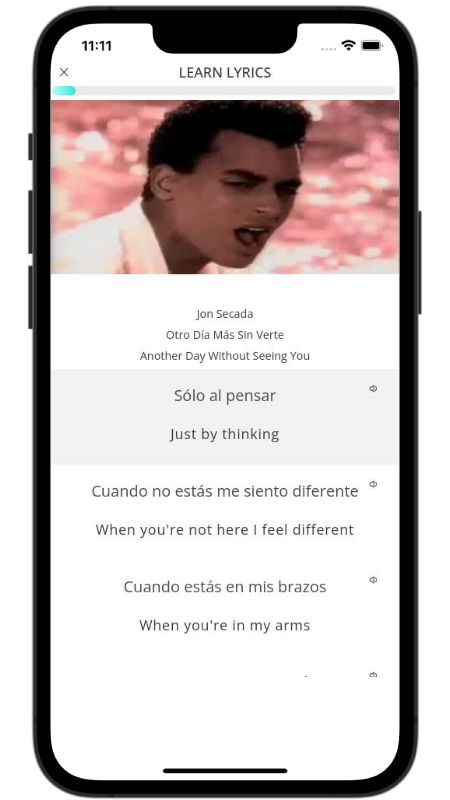
Cuban-born singer Jon Secada does not hold back any drama in this pop ballad. From the very first verse, he admits that the moment his partner is in his arms, he wants to tie them down: "Quiero amarrarte a mí" (I want to tie you to me). It sounds intense, but it sets up the central obsession of the track: he simply cannot fathom how his partner survives being apart when he is falling apart at the seams. He repeats "Ya no puedo más" (I can't take it anymore) and "Ya me es imposible soportar" (It is impossible for me to endure), turning the phrase "Otro día más sin verte" (Another day without seeing you) into an exhausting countdown of loneliness.
What makes the track so catchy for learners is how directly he pleads for answers. He begs for any phrase that might stop this departure: "¿Qué tengo que decirte para que no te vayas?" (What do I have to tell you so you don't go?). Notice the phrase "Hazme el favor y dime" (Do me the favor and tell me), which is everyday spoken Spanish used here to demand a real reason if the breakup has no fix ("Si es algo que no tiene solución"). Secada sings with the exhaustion of someone who has run out of arguments, turning pure romantic frustration into an unforgettable chorus.