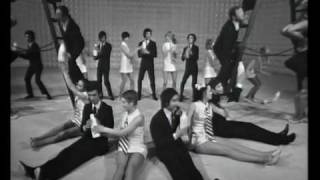
Andavo A Cento All'ora Lyrics in English by Gianni Morandi
Serenata translates to "serenade," a classic romantic gesture of singing to someone under their window.
While the act of serenading might seem old-fashioned, it evokes a timeless sense of romance and dedication. In the song, the singer is rushing to give his "bimba mia" (my baby/girl) a serenade, highlighting his eagerness and the romantic pursuit that drives the narrative.
"Andavo a Cento all'Ora" is one long dash across town. Gianni Morandi is going flat out on his motorbike to get to his girl, singing "Andavo a cento all'ora" [I was doing a hundred an hour], "Per trovar la bimba mia" [to find my baby girl]. Then the bike gives out on him mid-ride: "Ma si bruciò il motore" [but the engine blew], "Nel bel mezzo della via" [right in the middle of the road]. He doesn't turn back. He finishes the trip on foot, singing "Amore aspettami" [love, wait for me] and "Corro a piedi da te" [I'm running to you on foot], still counting the distance the same way he did on the bike: "Son cento chilometri / Che io faccio per te" [it's a hundred kilometers, that I'm doing for you].
Half the song isn't even words: "Ciunga ciunga ciù," "Blen blen blen blen," "Ye ye ye ye." The scat fills as much space as the story does, and that's the mood: bouncy, twist-era Italian pop built for moving around a dance floor, not for sitting still and parsing lyrics. The breakdown in the second verse is a joke, not a tragedy, and Morandi never stops singing like a man in a hurry.