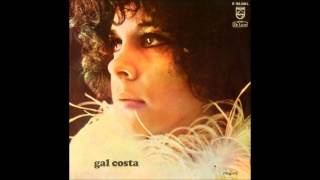
Flor De Maracujá Lyrics in English by Gal Costa
Avarandado is an interesting and somewhat uncommon word derived from "varanda" (veranda or balcony). It describes something that has a veranda or is like a veranda.
In the song, it sets a picturesque scene: "Lá no avarandado / Na luz do meio dia" (There on the balconied space / In the midday light). It evokes a specific, charming architectural detail, painting a vivid image of the setting where the romantic encounter unfolds.
Gal Costa's 'Flor de Maracujá' stays in one scene the whole time: a veranda at midday, a hint of secrecy, the wind in someone's hair. 'Lá no avarandado' ('There on the veranda') opens it, 'na luz do meio dia' ('in the midday light'), and from there the song just keeps naming what it notices, down to 'A flor de maracujá' ('The passion fruit flower') itself.
The middle section drops storytelling and stacks pure sensation instead: 'Dia de sol', 'cheiro de flor', 'gosto de mar, amor' ('Sunny day', 'scent of a flower', 'taste of the sea, my love'). By the last verse the voice is calling from somewhere far off, 'Bem pra lá do fim do mundo, onde eu vou te chamar' ('Far beyond the end of the world, where I will call you'), so a simple afternoon memory ends up sounding like longing instead.