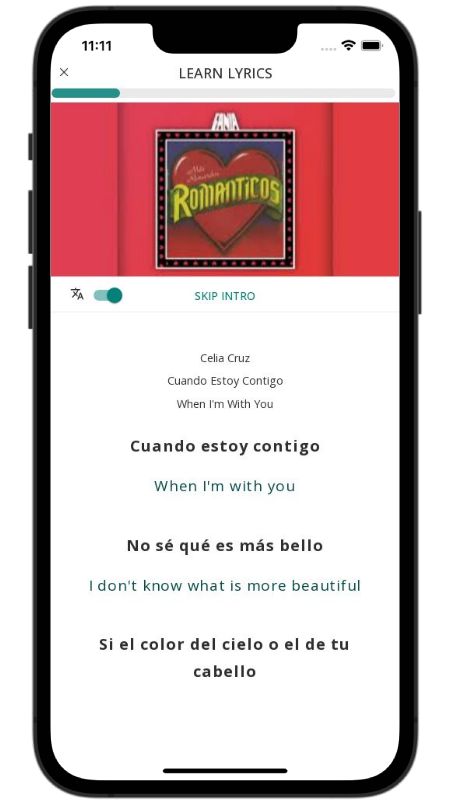
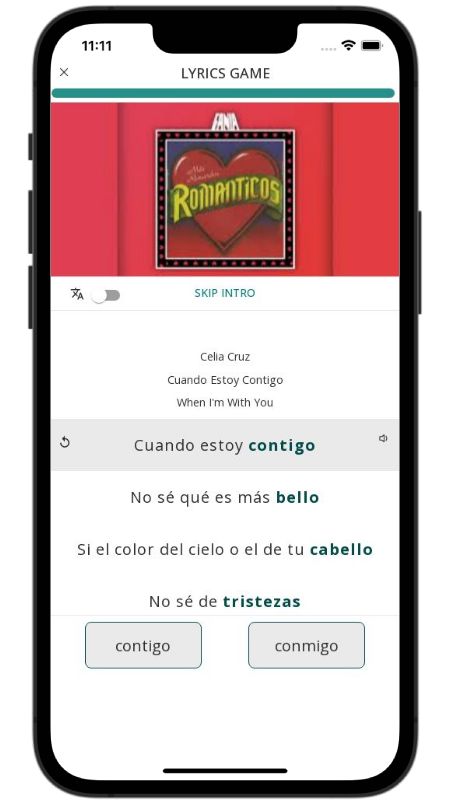
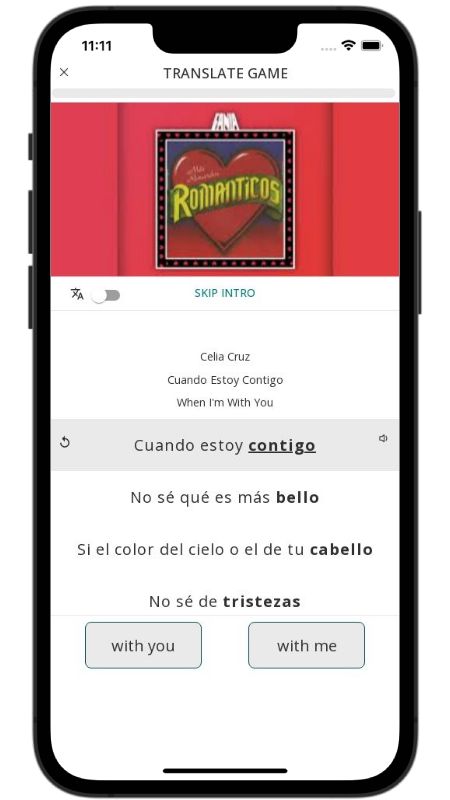
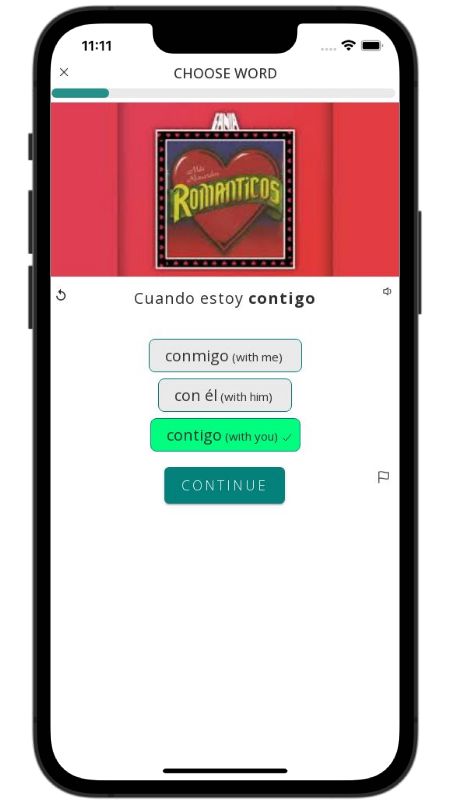
Cuando Estoy Contigo Lyrics in English by Celia Cruz
Inverna comes from the verb invernar, which means 'to hibernate'. It's a beautiful and uncommon word to find in a song, painting a very specific and poetic picture.
In the lyrics, Celia Cruz creates a gentle image by comparing her lover's tenderness to that of un ave que inverna (a bird that hibernates). This unique metaphor adds a layer of delicate beauty, making it a truly memorable word to learn from this classic salsa track.
Cuban salsa legend Celia Cruz sings about being head-over-heels in love in "Cuando Estoy Contigo" (When I Am With You). The whole track is a breathless list of sweet comparisons and pure joy. When she is near her partner, sadness vanishes completely: "Solo sé que eres tú la vida mía" (I only know that you are my life). She compares her lover's hair to the sky and claims their joyful laugh beats the sound of the wind. With their hands close, she doubts that cold mornings even exist ("Dudo de que existan madrugadas frías").
The imagery gets delightfully dramatic as the song builds. She sings that in her lover's arms, failure simply stops existing ("No existen fracasos"). There is also a tender, poetic moment where she cannot decide what is softer: her partner's fragile frame or a wintering bird ("un ave que inverna"). To top it all off, she boldly declares that she would trade away all worldly fame and glory just to be part of this person's story ("Yo cambio la gloria / Por la dicha enorme de estar en tu historia"). It is an unapologetically cheerful, upbeat love letter wrapped in an irresistible salsa rhythm.