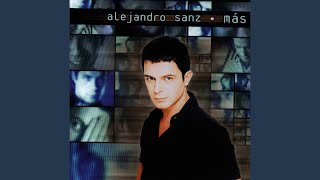
Yo No Quiero Suerte Lyrics in English by Alejandro Sanz
Porvenir literally translates to "future" or "what is to come." It's a more formal and poetic way to refer to the future than the common word "futuro."
In the song, Alejandro Sanz sings, "Hay quien la espera y quien se juega el porvenir" (There are those who wait for it and those who risk their future). He uses this word to emphasize the significant stakes involved when people rely on luck, contrasting it with his belief in taking action and living boldly.
Have you ever felt like everything good that happens to you isn't just luck, but something you've earned? That's exactly what Alejandro Sanz is singing about in "Yo No Quiero Suerte" [I Don't Want Luck]. He's not waiting around for good fortune; he believes in the "valor de atreverse a vivir" [courage to dare to live] and making things happen. He sees some people just waiting, "creyendo que está bien fiarse de la suerte" [believing it's okay to trust in luck], but he's all about living life to the fullest, "hacerlo hasta que puedas" [doing it until you can].
This song is a declaration of love and destiny. When he sings "Ni fue casualidad, teníamos que ser" [It wasn't a coincidence, we were meant to be], he's saying that his strong connection with this person isn't random. He doesn't believe in chance when it comes to love; "Los corazones fuertes se tienen que encontrar" [Strong hearts have to find each other]. For him, having this person means he doesn't need luck at all. "Yo no quiero suerte, yo te tengo a ti" [I don't want luck, I have you]. It's a powerful message about taking control of your life and appreciating the love you have, rather than hoping for good luck.