Soy De Santa Rosa Lyrics in English by Aldo Trujillo
Cosechar means "to harvest" or "to reap." While it's a common agricultural term, its use in this song is metaphorical and quite engaging.
The lyrics state, "primero hay que sembrar para cosechar" (first you have to sow in order to harvest). This phrase highlights the theme of hard work and delayed gratification, suggesting that success and rewards come only after effort and investment. It's a powerful life lesson embedded in the song's narrative about building a business and achieving success.
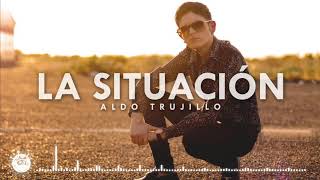
Aldo Trujillo's "Soy De Santa Rosa" is a declaration of identity and ambition. He immediately tells us, "soy de santa rosa y yo no tengo el patrón tampoco charola ni clave para mirar como un lado" [I'm from Santa Rosa and I don't have a boss, nor a badge, nor a code to look to one side]. He's a self-made man, not relying on anyone else's authority or connections. He mentions big companies wanting to change him, but he's staying true to himself, even using his family name: "soy el calor de siempre voy a estar en mi apellido siguen ahí" [I am the warmth, I will always be there, my last name is still there].
He's all about growth and success, saying "me voy arriba para aviones pilotear es pero agosto vuelo con lo que empaquetar" [I'm going up to pilot planes, but I fly with what I pack]. This suggests he's aiming high but also hands-on with his business. He's confident in his word, stating "lo que digo lo sostengo y por mi mente siempre contra el peso" [what I say I stand by, and in my mind, always against the weight]. He's expanding his business, "Bella Rosa," and knows that "no todo es como lo pintan" [not everything is as they paint it], but he has the experience to navigate it. He closes by honoring his parents, "por mi padre josé que el apellido y por mi madre soy violencia" [for my father José, the last name, and for my mother, I am violence], showing his deep roots and the strength he inherited.