El Perdón Lyrics in English by Nicky Jam, Enrique Iglesias
Juré is the past tense of the verb jurar, which means "to swear" an oath or "to vow". It's a powerful word that conveys a deep and serious promise.
In the song, Nicky Jam sings, "Yo te juré a ti este eterno amor" (I swore to you this eternal love). This one word heightens the drama of the story, transforming a simple promise into a sacred vow that has now been broken, adding weight to his plea for forgiveness.
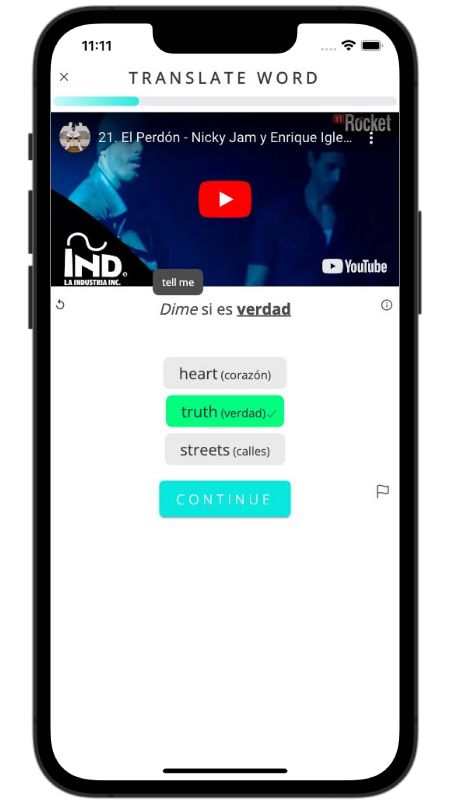
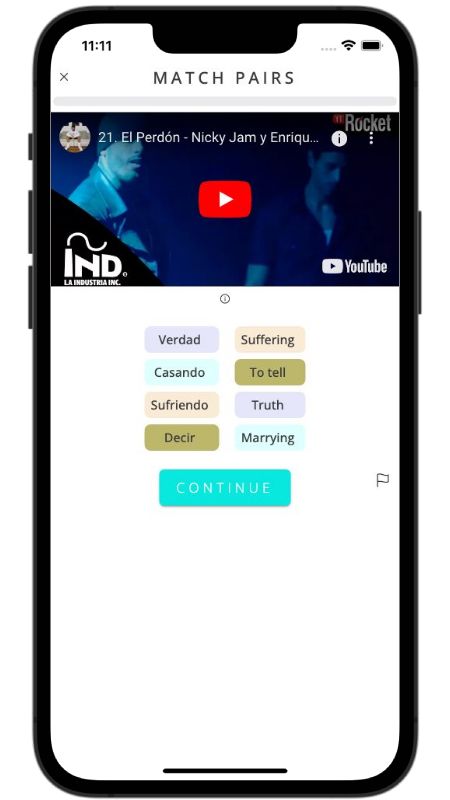
Ever heard news so shocking you end up wandering the neighborhood with a bottle? That is the exact mess Puerto Rican star Nicky Jam and Enrique Iglesias drop us into on "El Perdón". The drama starts immediately with "Me dijeron que te estas casando" ("They told me you are getting married"), and things spiral fast. Instead of accepting the breakup quietly, the singer is literally roaming outside, "Por las calles gritando / Como un loco tomando" ("Through the streets screaming / Drinking like a crazy person"). He openly wonders if the new partner "te llevó a la luna" ("took you to the moon"—a classic Spanish expression for blowing someone away or giving them an incredible experience) in a way he never could.
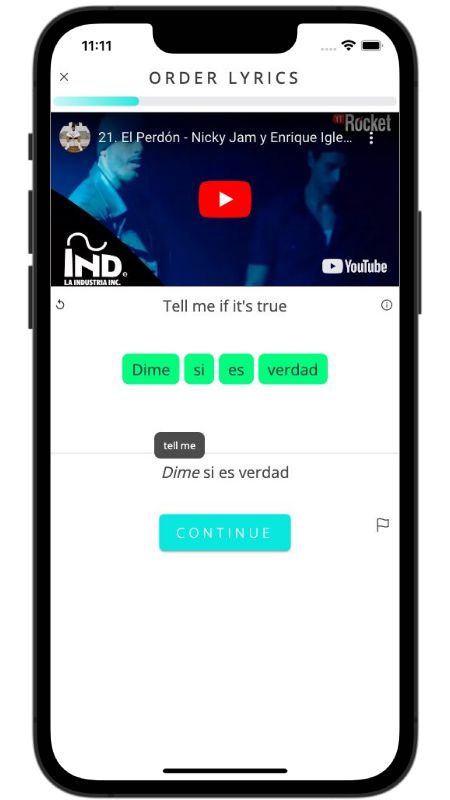
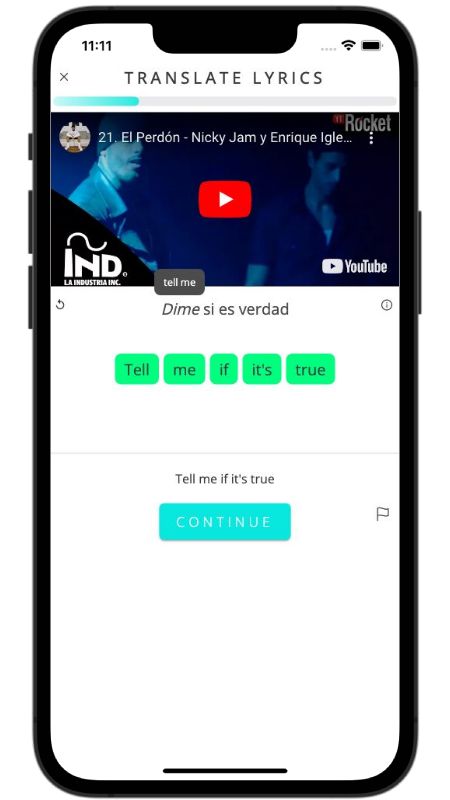
The core message here is blunt, desperate, and stubborn. The chorus repeats the simple complaint: "Es que yo sin ti, y tú sin mí / Dime quién puede ser feliz / Esto no me gusta" ("It is just that me without you, and you without me / Tell me who can be happy / I don't like this"). He even admits the ex-partner's father hated him ("tu padre no aprobó esta relación" ["your father did not approve of this relationship"]), but he refuses to give up. The track ends on an old saying: "uno no sabe lo que tiene hasta que lo pierde" ("you do not know what you have until you lose it"). It is a shameless plea for forgiveness, set to an upbeat reggaeton groove.





















![Hasta El Amanecer [Remix] Lyrics Translation](https://img.youtube.com/vi/Oa6NPqcWbiY/mqdefault.jpg)