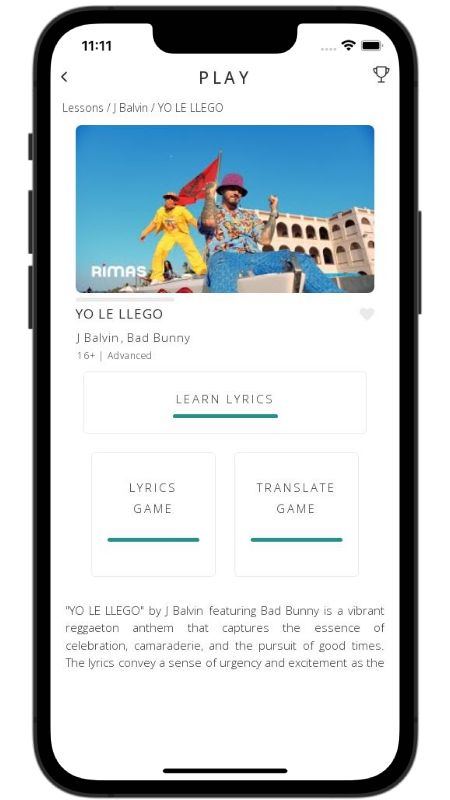
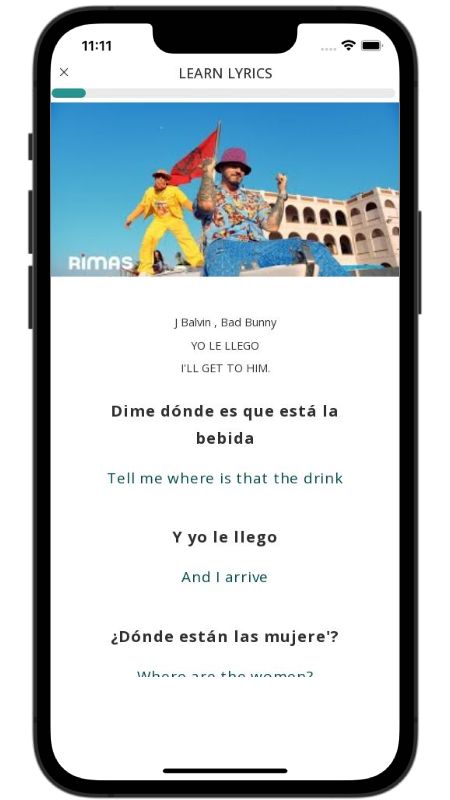
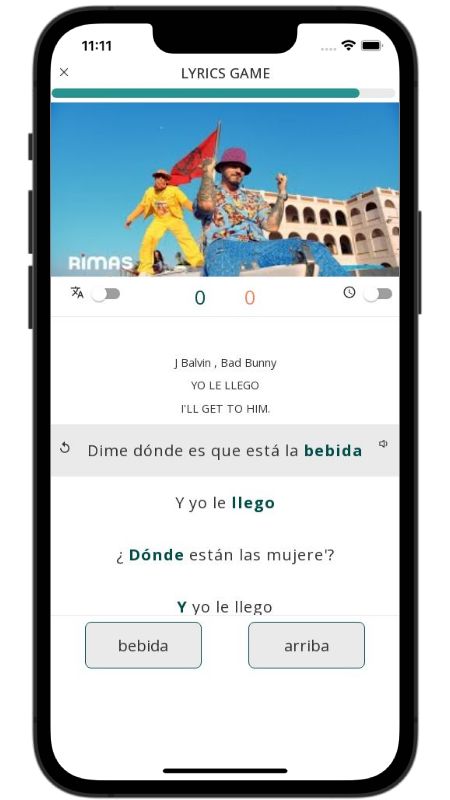
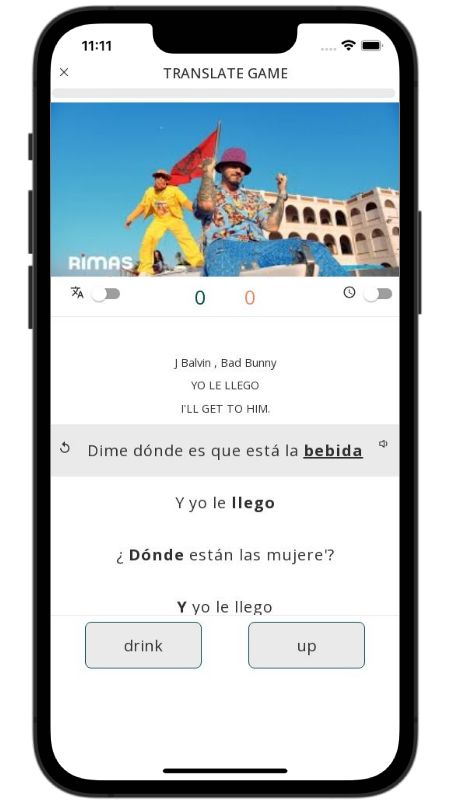
YO LE LLEGO Lyrics in English by J Balvin, Bad Bunny
Bandolera literally translates to "female bandit" or "female outlaw". In the world of reggaetón, it's used to describe a rebellious, independent woman who plays by her own rules and is often hard to tie down in a relationship.
In his verse, Bad Bunny sings, "Aquella bandolera a mí nunca me amó" (That female outlaw never loved me). He uses this powerful word to describe a captivating but unattainable woman, adding a touch of heartbreak and storytelling to this high-energy party song.
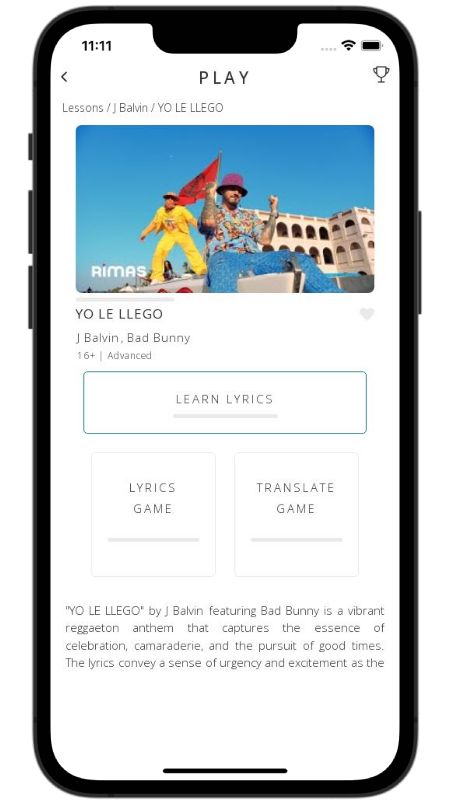
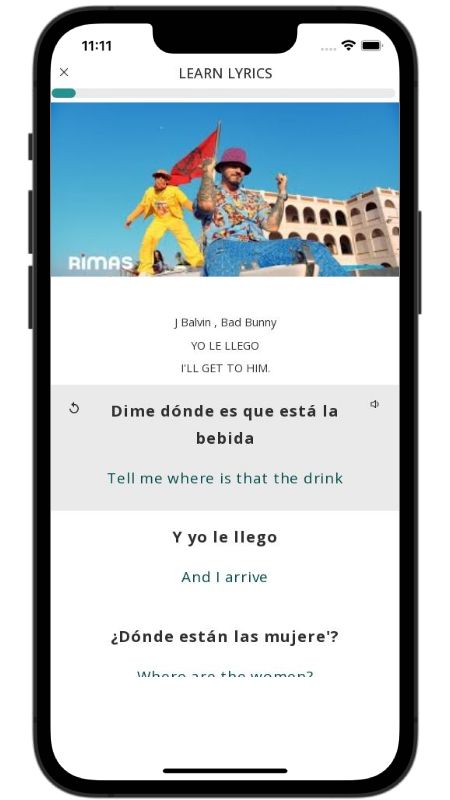
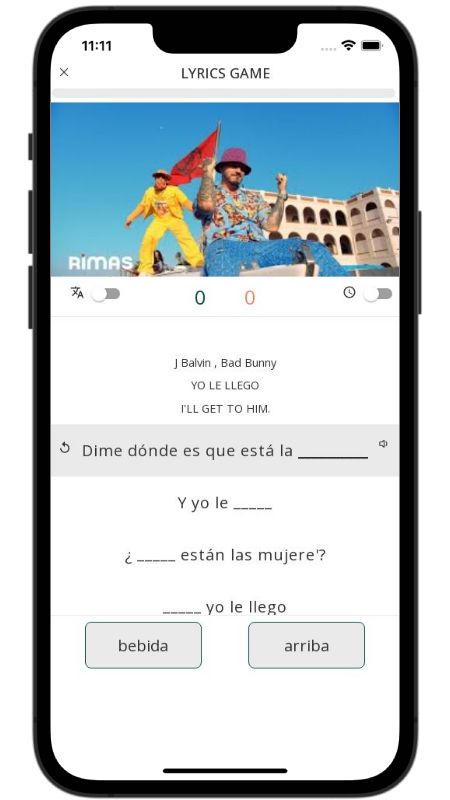
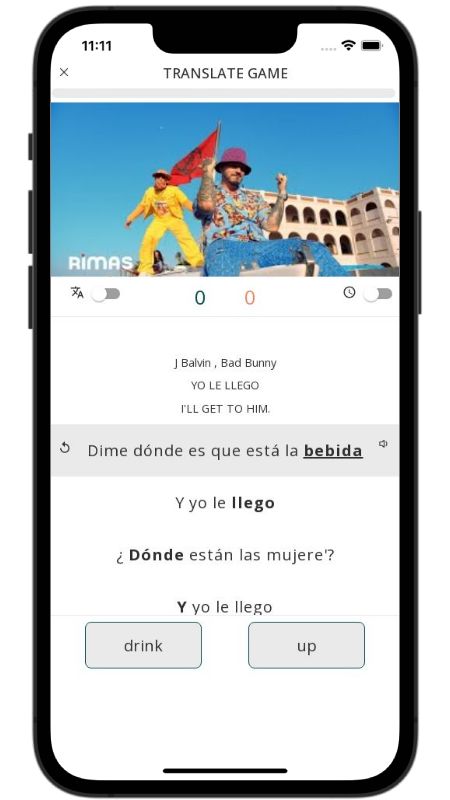
Ready for a party anthem? "YO LE LLEGO" is basically J Balvin and Bad Bunny's promise to show up wherever the fun is. The title itself, "yo le llego," is a cool piece of slang that means "I'll be there" or "I'll pull up." The whole chorus is just them asking for directions to the good stuff: "Dime dónde es que está la bebida y yo le llego" (Tell me where the drink is and I'll be there), "¿Dónde están las mujeres? Y yo le llego" (Where are the women? And I'll be there). It's a simple, direct message: if you have a party, they're coming.
Both artists use their verses to brag about their success and lifestyle. J Balvin, who's from Medellín, Colombia, shouts out his global reach, listing countries from Mexico to Argentina. He boasts about his wealth with lines like "Hace rato pasamos los siete ceros" (We passed seven figures a while ago). Bad Bunny is just as confident, introducing himself by his full name, Benito, and dropping the hilarious line "Me pongo Rolex como si fueran Casio" (I wear Rolexes like they were Casios). He even brushes off a past relationship, saying "Que se joda, yo fui quien ganó" (To hell with her, I'm the one who won), because now he gets to live exactly how he wants.