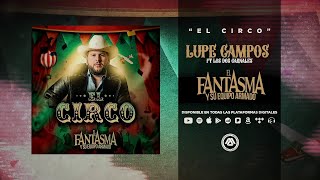
El Circo Lyrics in English by El Fantasma
Carpa literally translates to "tent", most often the big tent used for a circus. It is an everyday word in Spanish, but here it becomes the centerpiece of a clever metaphor about success.
In the line "Hoy el circo ya tiene la carpa llena" ("Now the circus already has the tent full"), the artist compares his growing fame to a circus tent packed with people, a vivid image of how popular he has become.
In El Circo, El Fantasma invites us under the big top of his life story, where respect is the ticket and perseverance is the main act. He reminds everyone that what you give is what you get, and warns critics that his success did not appear overnight—he earned it by pushing through thorn-pierced footsteps and following the wisdom of his mother. Now that the "tent is full," he is the ringmaster, deciding which show to put on while spectators simply watch him soar.
Beyond the flashy lights, the corrido pulses with humility and gratitude. El Fantasma salutes the loyal friends who helped him rise, scoffs at those who judge without knowing the struggle, and stresses that true greatness lies in staying grounded. It is a proud anthem of self-made triumph: put in the work, respect the journey, and when the spotlight finally finds you, own the stage with the same authenticity that got you there.