Learn French With Claudio Capéo with these 23 Song Recommendations (Full Translations Included!)
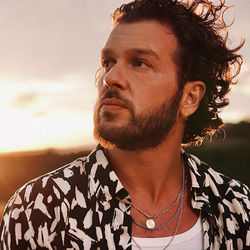
Claudio Capéo, born Claudio Ruccolo in 1985, is a French singer and accordionist with Italian roots. He grew up in Cernay, a small town in the Alsace region of eastern France, and picked up the accordion at the age of six, playing it in competitions long before he ever sang on a stage.
His route into music took a few turns along the way. As a teenager he played in a metal band, then in an African jazz group, and only later settled into the warm, streetwise pop that made his name. He reached a national audience in 2016 on the French edition of The Voice, and the self titled debut album that followed went straight to number one in France and stayed there for five weeks. The single "Un homme debout" turned him into one of the most recognisable voices in modern French song, and he has kept filling venues across France, Belgium and Switzerland ever since with music about ordinary people, dignity and stubborn hope.
Ever feel like you're the only one who sees how weird the world is? That's the whole mood of this song. Claudio Capéo starts by wondering, "Je sais pas vous / C'est peut être moi qui suis fou" (I don't know about you / Maybe I'm the crazy one). He feels like an outsider, a sensitive dreamer who just can't accept that society is run by "dix abrutis en costard" (ten idiots in suits). It's a powerful song about refusing to be a passive observer in your own life.
Instead of just complaining, he decides to take control. He declares, "voilà mes lois je me les suis fixées" (so here are my laws, I've set them for myself) and insists on living by his own truth and reality. The chorus is just him repeating "Laissez-moi" (Leave me alone), a simple but strong demand for the freedom to be himself. He's tired of false hopes and people trying to dim his light, deciding instead, "j'avance vers ce que j'ai choisi" (I'm moving towards what I've chosen).
Ever feel totally lost, like you're on a boat in a storm even though you're standing on solid ground? That's exactly where Claudio Capéo starts in this song. He feels like he has "le mal de mer" (seasickness) from life, complaining that "Ici tout me pompe l'air" (Here everything drains me). He's looking for a way out, a leader to follow, calling out "Capitaine, mon capitaine / On a besoin de vous pour nous guider" (Captain, my captain / We need you to guide us).
But this isn't a song about waiting to be saved. It's a powerful call to action for everyone to rise up together. The chorus repeats the simple but strong idea: "Plus haut, plus haut / Il faudra bien nous élever" (Higher, higher / We will have to lift ourselves up). Capéo offers his own skills, promising to write poems to show people how to forgive. He sings about looking beyond our differences, whether you were born in France "ou à l'autre bout de l'hémisphère" (or on the other side of the hemisphere). It's a hopeful anthem about finding direction by lifting each other up.
Hai presente quando la routine quotidiana ti toglie il respiro? In Plus Haut, il cantante francese Claudio Capéo usa la metafora del mare per descrivere quel momento esatto: pensava di avere i piedi per terra, ma si ritrova con il mal di mare ("j'ai le mal de mer"), soffocato da un ambiente che gli succhia l'aria ("tout me pompe l'air", un modo di dire colloquiale francese per esprimere una frustrazione enorme). Senza bussola e in piena solitudine, lancia una richiesta d'aiuto a un capitano simbolico ("Capitaine, mon capitaine", una celebre espressione che richiama la guida morale nei momenti di tempesta) per trovare la rotta giusta.
La risposta a questo senso di smarrimento non è fuggire, ma salire più in alto ("Plus haut") per cambiare prospettiva. Capéo propone di offrire luce e parole gentili, promettendo: "Moi j'écrirai des poèmes / Pour leur montrer qu'on peut pardonner" (Io scriverò poesie per mostrare loro che si può perdonare). Il testo spinge verso l'unione al di là dei confini, ricordando che non importa se si è nati in Francia o all'altro capo dell'emisfero ("à l'autre bout de l'hémisphère"): basta davvero poco per cambiare l'atmosfera e ricominciare a respirare insieme.
Ever feel like you're in one place, but your heart is somewhere else entirely? That's exactly what Claudio Capéo is singing about in "Porte D'Italie". He tells us, "J'ai les deux pieds ici" [I have both feet here], but his heart is constantly escaping to Rome. The song is a beautiful daydream about Italy, filled with specific places and tastes he misses, like having chats in the Piazza Navona or eating "pasta al'forno" [baked pasta]. The title itself, "Porte d'Italie", is a real gate in Paris that marks the beginning of the road to Italy. For him, just seeing it out the window is enough to make his heart run away.
What makes this song so special is how it mixes French and Italian, showing his split identity. His accordion even gets a personality, telling him, "Claudio, c'est l'heure... Voglio andare fuori" [Claudio, it's time... I want to go outside]. He dreams of throwing a coin in the Fontana di Trevi [Trevi Fountain] and riding a Vespa scooter, living out scenes from the classic Italian movies of Fellini. It’s a song for anyone who has a deep connection to another culture or place, a feeling of longing for a second home that is always calling you back.
This song is a beautiful list of promises for the future. Claudio Capéo sings about what life will be like after a hard time has passed. It's a song full of hope, starting with a simple, romantic image of a couple together again: "Il y aura le reflet... de nous deux enlacés / Sur le bord de la seine" (There will be the reflection... of the two of us embracing / On the bank of the Seine).
But this isn't just about one couple. The song's vision grows to include friends, and then the responsibility of creating a better world for the next generation. The chorus repeats the line "Pour préparer l'endroit / Où nos enfants joueront" (To prepare the place / Where our children will play). It's not a fantasy of a perfect future, though. The song admits there will still be difficult times, saying "Il y aura de la peine / Des colères, du vacarme" (There will be pain / Anger, uproar). The answer, according to the song, is to find happiness in each other's joy and to tell stories that give hope when the future looks dark.
En «Je Sais Pas Vous», el cantante francés Claudio Capéo suelta todo lo que piensa con un tono directo y sin pelos en la lengua. Empieza admitiendo que quizás es él quien está loco o es demasiado soñador («C'est peut être moi qui suis fou / Un peu naïf...» [Quizás soy yo quien está loco / Un poco ingenuo...]), pero enseguida lanza un dardo contra los que mandan. Se niega a que «dix tocards / Dix abrutis en costard» [diez perdedores / diez idiotas de traje] decidan el rumbo de la historia. La palabra francesa «tocard» es un insulto coloquial muy gráfico para llamar a alguien incompetente o perdedor, y Capéo la usa sin rodeos para criticar a las élites que imponen reglas mientras reparten falsas ilusiones.
Frente a todo ese ruido exterior, el mensaje central es un grito para que lo dejen vivir a su manera: «Laissez-moi» [Déjenme]. Él decide fijar sus propias normas paso a paso («mes lois je me les suis fixées / Pas à pas» [mis leyes me las he fijado / Paso a paso]), defendiendo su propia verdad y admitiendo con total honestidad que la vida es corta y que le importan un bledo las órdenes impuestas («moi je me fous des consignes» [a mí me importan un bledo las consignas]). Es una canción rebelde sobre tomar las riendas de tu propio camino y no dejar que nadie te tape la luz.
Hast du dich je gefragt, ob du der Einzige bist, der die Welt einfach nicht mehr versteht? Genau darum geht es Claudio Capéo in diesem Chanson. Er fragt direkt in die Runde: „Je sais pas vous, c'est peut-être moi qui suis fou“ („Ich weiß nicht, wie es euch geht, vielleicht bin ich der Verrückte“). Er bezeichnet sich selbst als naiv und ultra-sensiblen Träumer, teilt dann aber gleich richtig aus: Er will sich die Geschichte nicht von „dix tocards, dix abrutis en costard“ vorschreiben lassen. Der Slang sitzt hier tief: „tocard“ ist ein herrlicher französischer Schmähbegriff für einen Verlierer oder Versager, und ein „abruti en costard“ ist schlicht ein Vollidiot im Anzug. Claudio hat keine Lust mehr, sich herumschubsen zu lassen („pas me laisser faire“), und stellt eine geniale, fast zynische Frage: „C'est combien la caution pour les faux espoirs?“ („Wie hoch ist die Kaution für falsche Hoffnungen?“).
Was mir an dem Track gefällt, ist dieser trotzige Befreiungsschlag im Refrain. Statt brav nach den Regeln der Schlipsträger zu tanzen, pfeift er auf alle Anweisungen: „moi je me fous des consignes“ („se foutre de“ bedeutet umgangssprachlich „auf etwas scheißen“ oder etwas völlig ignorieren). Sein Lebensmotto lautet schlicht: „Laissez-moi!“ („Lasst mich in Ruhe!“). Er bestimmt seine eigenen Gesetze Schritt für Schritt („mes lois je me les suis fixées pas à pas“). Es ist ein sturer, ehrlicher Song darüber, seinen eigenen Weg zu gehen und sich von niemandem das Licht verdecken zu lassen („Qu'on vienne plus me cacher ma lumière“).
Har du någonsin känt att hela världen styrs av fel personer medan du själv bara försöker hitta din egen väg? I Je Sais Pas Vous ifrågasätter den franska artisten Claudio Capéo varför vi låter "dix tocards, dix abrutis en costard" [tio nollor, tio idioter i kostym] bestämma historiens gång. Ordet tocard är fransk slang för en misslyckad typ eller en sopa, och Capéo skräder verkligen inte orden här! Han erkänner rakt ut att folk kallar honom för en naiv och överkänslig drömmare, men han vägrar låta andra släcka hans ljus eller diktera hans val.
Refrängen är ett befriande vrål om att sätta upp sina egna regler: "Mes idées, ma vérité, ma réalité / C'est comme ça / Laissez-moi" [Mina idéer, min sanning, min verklighet / Det är så det är / Låt mig vara]. Han konstaterar krasst att man vandrar genom livet ensam, och därför struntar han helt i direktiven: "je me fous des consignes" [jag skiter i instruktionerna]. Det är en fantastisk låt att sjunga med i när du vill lära dig vardagliga franska uttryck som ça me travaille [det gnager i mig] och samtidigt påminna dig själv om att gå din alldeles egna väg.
Claudio Capéo serves up a feel-good anthem that tells everyday worries to take a hike. From the morning rush and gloomy office chatter to break-up blues at lunch and a chaotic living room after work, everyone around him is stressing out. His answer is always the same: “laisse aller” — let it go. The catchy refrain becomes a musical shrug, turning each small drama into a reason to smile and keep moving.
Beneath the playful accordion and sing-along chorus, the song offers a simple life lesson: choose joy on purpose. Capéo reminds us that every day can be a party if we tune out the noise and listen to that upbeat voice in our heads. So next time someone tells you the sky is falling, just press play, hum the chorus and … laisse aller!
Francúzsky spevák Claudio Capéo v tejto skladbe spieva o pocite, keď sa človek cíti úplne stratený a bez smeru. Hneď na začiatku opisuje svoj vnútorný zmätok slovami „Sans boussole, solitaire“ (Bez kompasu, osamelý) a priznáva, že hoci si myslel, že stojí pevne nohami na zemi, zrazu má morskú chorobu. Všedný život ho dusí a francúzsky hovorový výraz „tout me pompe l'air“ (všetko mi berie vzduch / lezie mi to na nervy) presne vystihuje chvíľu, keď jednoducho potrebuješ vypadnúť a zmeniť prostredie.
Namiesto toho, aby sa poddal beznádeji, volá imaginárneho vodcu cez zvolanie „Capitaine, mon capitaine“ (Kapitán, môj kapitán), ktorý má ukázať cestu von. Capéo ponúka vlastné riešenie: chce písať básne, šíriť svetlo a odpustenie. Výzva „Plus haut, plus haut / Il faudra bien nous élever“ (Vyššie, vyššie / budeme sa musieť povzniesť) spája ľudí bez ohľadu na to, či sa narodili vo Francúzsku alebo na druhom konci pologule.
Ranskalaisartisti Claudio Capéo aloittaa kappaleensa tilanteesta, jossa olo on täysin eksynyt: ilman kompassia (sans boussole), yksin ja tukehtumaisillaan arkeen. Hän käyttää hauskaa ranskalaista sanontaa tout me pompe l'air (kaikki ärsyttää minua / vie minulta ilmat) ja myöntää potevansa merisairautta, vaikka luuli seisovansa vakaasti maankamaralla (avoir les pieds sur terre). Tästä ahdistuksesta herää kuitenkin vahva halu kurkottaa ylemmäs.
Laulussa huudetaan avuksi kapteenia (Capitaine, mon capitaine), joka ohjaisi oikeaan suuntaan, mutta Capéo itse lupaa tarttua kynään ja kirjoittaa runoja osoittaakseen, että anteeksiantaminen on mahdollista. Sanoma laajenee henkilökohtaisesta neuvottomuudesta yhteiseen toiveeseen: ei ole väliä, onko syntynyt Ranskassa vai toisella puolella maapalloa (à l'autre bout de l'hémisphère), sillä pienikin valonpilkahdus voi riittää muuttamaan maailmaa. Kertosäkeen toistuva huuto Plus haut (korkeammalle) nostaa katseen kohti toivoa ja parempaa huomista.
Claudio Capéo "Plus Haut" című dala egy igazi himnusz azoknak, akik úgy érzik, eltévedtek, és új irányra vágynak az életben. A dal elején a "Capitaine, Capitaine, Sans personne, sans repère, Sans boussole, solitaire" [Kapitány, Kapitány, Senki nélkül, iránytű nélkül, Iránytű nélkül, magányosan] sorok azonnal megadják az alaphangot: a bizonytalanságot és a magányt. A dalszöveg arról szól, hogy a mindennapi élet néha fullasztó lehet, és szükségünk van egy "más légkörre", egy változásra.
De mi a megoldás? A válasz a dal refrénjében rejlik: "Plus haut, plus haut, Il faudra bien nous élever" [Feljebb, feljebb, Fel kell emelkednünk]. Ez nem csak fizikai felemelkedést jelent, hanem lelki és szellemi emelkedést is. A dal arra ösztönöz, hogy lépjünk túl a különbségeinken, legyünk önkéntesek, és mutassuk meg, hogy képesek vagyunk megbocsátani. Claudio Capéo azt üzeni, hogy mindannyiunknak van ereje ahhoz, hogy fényt adjunk, és egy apró cselekedet is eláraszthatja az egész világot. Egy igazi motivációs dal, ami arra emlékeztet, hogy sosem vagyunk egyedül, és mindig van remény a felemelkedésre.
Kennst du dieses Gefühl, wenn dir der Alltag die Luft abschnürt? Genau da setzt der französische Chanson-Sänger Claudio Capéo in „Plus Haut“ an. Zu Beginn fühlt er sich völlig orientierungslos: „Sans boussole, solitaire“ („Ohne Kompass, einsam“). Statt festem Boden unter den Füßen meldet sich die Seekrankheit: „Mais j'ai le mal de mer“ („Aber ich bin seekrank“). Dazu kommt eine tolle französische Redewendung: „Ici tout me pompe l'air“ („Hier raubt mir alles die Luft / geht mir tierisch auf die Nerven“). Die wortwörtliche Luftpumpe im Alltag! Völlig überfordert ruft er nach einem Anführer, um das Steuer herumzureißen: „Capitaine, mon capitaine / On a besoin de vous pour nous guider“ („Kapitän, mein Kapitän / Wir brauchen dich, um uns zu führen“).
Doch statt tatenlos zu warten, will Capéo selbst etwas tun. Seine Antwort auf das Chaos? Worte und Hoffnung: „Moi j'écrirai des poèmes / Pour leur montrer qu'on peut pardonner“ („Ich werde Gedichte schreiben / Um ihnen zu zeigen, dass man vergeben kann“). Im Refrain fordert er uns alle lautstark dazu auf, den Kopf über die Probleme zu heben: „Plus haut, plus haut / Il faudra bien nous élever“ („Höher, höher / Wir müssen uns wohl erheben“). Dabei ist völlig egal, „Que l'on soit né ici en France / Ou à l'autre bout de l'hémisphère“ („Ob wir hier in Frankreich geboren sind oder am anderen Ende der Erdkugel“). Ein mitreißender Weckruf, sich von schlechter Stimmung freizuschwimmen und zusammenzuhalten.
¿Alguna vez has sentido que el entorno te asfixia por completo? En "Plus Haut", Claudio Capéo arranca exactamente con esa sensación de mareo existencial: "Ici tout me pompe l'air" (Aquí todo me agota / me quita el aire), una expresión coloquial muy francesa para decir que algo te tiene harto, y confiesa "J'étouffe j'ai besoin d'air" (Me ahogo, necesito aire).
Para salir de ese agujero, Capéo recurre a la figura de un guía náutico y grita "Capitaine, mon capitaine / On a besoin de vous pour nous guider" (Capitán, mi capitán / Le necesitamos para guiarnos). En lugar de rendirse a la queja, propone una respuesta luminosa: escribir poemas para demostrar que se puede perdonar ("Moi j'écrirai des poèmes / Pour leur montrer qu'on peut pardonner") y dejar atrás los rencores sin importar si uno nació en Francia o en el otro lado del planeta. Es una llamada directa a levantarse y apuntar mucho más alto.
Ești gata să te lași purtat de val? Claudio Capéo, un artist francez, ne invită într-o călătorie emoționantă cu piesa sa, „Plus Haut”. Cântecul începe cu o stare de confuzie și pierdere, unde artistul se simte ca un „Capitaine” [Căpitan] fără direcție, „Sans personne, sans repère / Sans boussole, solitaire” [Fără nimeni, fără repere / Fără busolă, singur]. El recunoaște că, deși credea că are „les pieds sur terre” [picioarele pe pământ], acum are „le mal de mer” [rău de mare], simțind că „tout me pompe l'air” [totul îi ia aerul] și are nevoie să „changer d'atmosphère” [schimbe atmosfera].
Dar nu este vorba doar despre o luptă personală. Claudio Capéo transformă această căutare într-un apel la acțiune pentru toți. El ne cere să ne ridicăm „Plus haut, plus haut” [Mai sus, mai sus], să ne „élever” [ridicăm] și să „se lever” [ne ridicăm] pentru un moment. Este o invitație la unitate și iertare, unde el promite să scrie „des poèmes / Pour leur montrer qu'on peut pardonner” [poeme / Pentru a le arăta că putem ierta]. Cântecul subliniază importanța de a oferi „de la lumière” [lumină] și de a fi „volontaires” [voluntari], arătând că „Il suffit parfois d'un rien / Pour inonder toute la Terre entière” [Uneori e nevoie de un nimic / Pentru a inunda Pământul întreg], indiferent de diferențele noastre sau de unde ne-am născut. Este o piesă plină de speranță, care ne amintește că împreună putem depăși orice obstacol.
Fransız müzisyen Claudio Capéo, "Plus Haut" (Daha Yüksek) şarkısında yönünü kaybetmiş birinin iç dünyasındaki fırtınayı anlatıyor. Şarkı, pusulası ve yol göstereni olmayan yalnız bir ruh haliyle başlıyor. Şarkıcı, karada sağlam bastığını sanırken birden deniz tutması yaşadığını söylüyor: "Je pensais avoir les pieds sur terre / Mais j'ai le mal de mer" (Ayaklarımın yere bastığını sanıyordum / Ama deniz tuttu beni). Günlük hayatın ağırlığından öyle bunalmış ki "Ici tout me pompe l'air" (Burada her şey havamı emiyor / canımı sıkıyor) diyerek nefes alacak yeni bir atmosfer arıyor. Buradaki pomper l'air kalıbı Fransızcada birinin enerjisini tüketmek, canını sıkmak anlamına gelen harika bir sokak tabiri.
İşte tam bu boğulma hissinin ortasında hayali bir lidere sesleniyor: "Capitaine, mon capitaine / On a besoin de vous pour nous guider" (Kaptan, kaptanım / Bize yol göstermeniz için size ihtiyacımız var). Kaptan rotayı çizerken, o da insanlara affetmeyi öğretmek için şiirler yazmaya söz veriyor. Şarkının kalbinde, farklılıkları ve mesafeleri geride bırakma arzusu yatıyor; ister Fransa'da ister dünyanın öbür ucunda doğmuş olalım, "Plus haut, plus haut / Il faudra bien nous élever" (Daha yüksek, daha yüksek / Kendimizi yukarı taşımamız gerekecek) nakaratıyla herkesi yukarıya çıkmaya ve dünyaya ışık saçmaya çağırıyor.
Claudio Capéo nas s pesmijo "Plus Haut" popelje na potovanje iskanja smeri in upanja. Predstavljajte si, da ste kapitan, a se počutite izgubljeno, "Sans personne, sans repère, Sans boussole, solitaire" [Brez nikogar, brez orientacije, Brez kompasa, osamljen]. Kljub temu, da misli, da ima trdno na tleh, se mu zdi, da ima "le mal de mer" [morsko bolezen], saj ga vse okoli njega duši. Potrebuje spremembo, nov zrak, in sprašuje se, kako to doseči.
Klic "Capitaine, mon capitaine" [Kapitan, moj kapitan] je klic po vodstvu, po nekom, ki bo pokazal pot. A ni to le pasivno čakanje! Pripovedovalec se zaveže, da bo pisal pesmi, "Pour leur montrer qu'on peut pardonner" [Da bi jim pokazal, da lahko odpustimo]. Gre za aktivno sodelovanje pri ustvarjanju boljšega sveta, za dvigovanje "Plus haut, plus haut" [Višje, višje] – tako v duhu kot v dejanjih. Poudarja, da lahko že majhna gesta, "un rien" [nekaj malega], prinese svetlobo in preplavi celo Zemljo, ne glede na naše razlike. To je resnično navdihujoča pesem o skupnem prizadevanju za boljši jutri.
Νιώθεις ποτέ ότι χάνεις τον προσανατολισμό σου και χρειάζεσαι απεγνωσμένα καθαρό αέρα; Στο «Plus Haut» (genre: Chanson), ο Γάλλος καλλιτέχνης Claudio Capéo εκφράζει ακριβώς αυτό το συναίσθημα. Ξεκινά περιγράφοντας τον εαυτό του ολομόναχο στη στεριά, νιώθοντας όμως ναυτία: «Je pensais avoir les pieds sur terre / Mais j'ai le mal de mer» (Νόμιζα ότι πατούσα στη γη / Αλλά έχω ναυτία). Χρησιμοποιεί μάλιστα την καθημερινή γαλλική έκφραση «tout me pompe l'air» (όλα μου ρουφάνε τον αέρα, δηλαδή όλα μου σπάνε τα νεύρα / με πνίγουν) για να δείξει πόσο πολύ θέλει να αλλάξει περιβάλλον.
Για να βγει από αυτό το αδιέξοδο, αναζητά έναν οδηγό φωνάζοντας «Capitaine, mon capitaine» (Καπετάνιε, καπετάνιε μου). Υπόσχεται ότι ο ίδιος θα γράφει ποιήματα για να μάθουν οι άνθρωποι να συγχωρούν: «Moi j'écrirai des poèmes / Pour leur montrer qu'on peut pardonner». Είναι ένα κάλεσμα να κοιτάξουμε ψηλότερα, ξεπερνώντας τις διαφορές μας, είτε βρισκόμαστε στη Γαλλία είτε στην άλλη άκρη της Γης («Que l'on soit né ici en France / Ou à l'autre bout de l'hémisphère»).
Føler du deg noen gang helt fortapt i hverdagsmaset? I «Plus Haut» roper den franske artisten Claudio Capéo ut til en usynlig kaptein for å få veiledning. Han starter med å beskrive en følelse av å være uten kompass («sans boussole, solitaire» – uten kompass, ensom) og kjenne på en slags sjøsyke på landjorda. Han bruker det herlige franske uttrykket «tout me pompe l'air» (bokstavelig talt «alt pumper ut lufta mi», som på norsk betyr at alt går ham på nervene eller kveler ham), og innser at han må komme seg opp og videre.
Svaret hans på frustrasjonen er verken sinne eller kynisme. Claudio vil heller skrive dikt for å vise at man kan tilgi («Moi j'écrirai des poèmes / Pour leur montrer qu'on peut pardonner»). Sangen bygger seg opp til et skikkelig løft med ropet om å komme seg «plus haut» (høyere opp). Han synger om å samle folk på tvers av forskjeller, enten man er født i Frankrike eller på den andre siden av kloden («à l'autre bout de l'hémisphère»). Det er fengende, direkte og fullt av håp.
Zamisli onaj trenutak kada te svakodnevica toliko pritisne da jednostavno moraš pobjeći. Claudio Capéo u pjesmi „Plus Haut” kreće upravo od tog osjećaja: pjeva kako nema kompasa („Sans boussole, solitaire” / Bez kompasa, sam) i priznaje da ga sve guši te mu ide na živce („Ici tout me pompe l'air” / Ovdje mi sve crpi zrak, odnosno ide mi na živce). Umjesto da mirno stoji na zemlji, osjeća morsku bolest na suhom i traži izlaz.
Zato doziva imaginarnog kapetana da preuzme kormilo („Capitaine, mon capitaine / On a besoin de vous pour nous guider” / Kapetane, moj kapetane / Trebamo vas da nas vodite). Njegov plan nije ratoboran; on želi pisati pjesme i širiti svjetlo bez obzira na razlike među ljudima („Que l'on soit né ici en France / Ou à l'autre bout de l'hémisphère” / Bili rođeni ovdje u Francuskoj ili na drugom kraju polutke). Refren te doslovno tjera da se podigneš iznad svega („Plus haut” / Više) i pronađeš malo zraka i nade.
U pesmi "Plus Haut", Claudio Capéo nas vodi na putovanje kroz osećaj izgubljenosti i potrebe za vođstvom. On počinje stihovima "Sans personne, sans repère, Sans boussole, solitaire" [Bez ikoga, bez orijentira, Bez kompasa, usamljen], opisujući stanje u kojem se mnogi od nas ponekad nađu. Oseća se kao da ima "mal de mer" [morsku bolest] iako je mislio da je čvrsto na zemlji, što je super metafora za osećaj nestabilnosti i mučnine u životu.
Međutim, pesma brzo prelazi u poziv na akciju i nadu. Claudio peva "Capitaine, mon capitaine, On a besoin de vous pour nous guider" [Kapetane, moj kapetane, Potrebni ste nam da nas vodite], tražeći nekoga ko će pokazati put. On obećava da će pisati poeme "Pour leur montrer qu'on peut pardonner" [Da im pokaže da možemo oprostiti], naglašavajući važnost praštanja i zajedništva. Refren "Plus haut, plus haut, Il faudra bien nous élever" [Više, više, Moramo se uzdići] je poziv da se izdignemo iznad problema i razlika, bilo da smo iz Francuske ili sa drugog kraja sveta. Mislim da je to prelepa poruka o jedinstvu i nadi!
Приготовьтесь к песне, которая заставит вас задуматься о жизни! Клаудио Капео, французский артист, поет о том, как иногда мы чувствуем себя потерянными, как «Капитан без компаса, в одиночестве» [Sans boussole, solitaire]. Он признается, что думал, что твердо стоит на ногах, но его укачивает, и ему не хватает воздуха. Кажется, что все вокруг высасывает из него силы, и он задыхается, ему нужен другой воздух, другая атмосфера.
Но это не песня об отчаянии! Это призыв к действию. Капео ищет лидера, «Капитана», который поможет нам всем подняться «выше, выше» [Plus haut, plus haut]. Он хочет писать стихи, чтобы показать, что мы можем прощать и быть волонтерами, приносящими свет. Песня говорит о том, что даже маленькое действие может «затопить всю Землю» [inonder toute la Terre entière] светом, независимо от наших различий или места рождения. Это прекрасный гимн единству и надежде!
I "Plus Haut" tar den franske sångaren Claudio Capéo oss med på en stormig inre resa. Han känner sig helt vilsen utan kompass och medger direkt: "Je pensais avoir les pieds sur terre / Mais j'ai le mal de mer" (Jag trodde jag stod med fötterna på jorden / Men jag är sjösjuk). Det vardagliga franska uttrycket "tout me pompe l'air" betyder bokstavligen att allt suger luften ur honom, alltså att han blir totalt kvävd och stressad av sin omgivning. När luften tar slut ropar han efter en ledare: "Capitaine, mon capitaine / On a besoin de vous pour nous guider" (Kapten, min kapten / Vi behöver dig för att vägleda oss).
Men låten fastnar inte i det dystra. Claudio vill sprida ljus och skriva dikter för att visa att förlåtelse faktiskt är möjlig. Hans lösning är att resa sig över all split och alla åsikter, oavsett om man är född hemma i Frankrike eller på andra sidan jordklotet. Refrängens enkla uppmaning "Plus haut, plus haut / Il faudra bien nous élever" (Högre, högre / Vi måste lyfta oss) blir en rak och hoppfull önskan om att lämna bråket bakom sig och sikta mot något bättre tillsammans.

