JETSKI Lyrics in English by PEDRO SAMPAIO, Melody, MC Meno
Maceta comes from the verb macetar, which literally means 'to hit with a mallet' or 'to pound'. It's a very energetic and somewhat aggressive verb.
In Brazilian funk music, like this song, macetar is used as slang to describe dancing very intensely, often with suggestive movements like grinding or twerking. It implies a powerful and passionate physical interaction, making it a memorable and intriguing word that captures the song's vibrant energy.
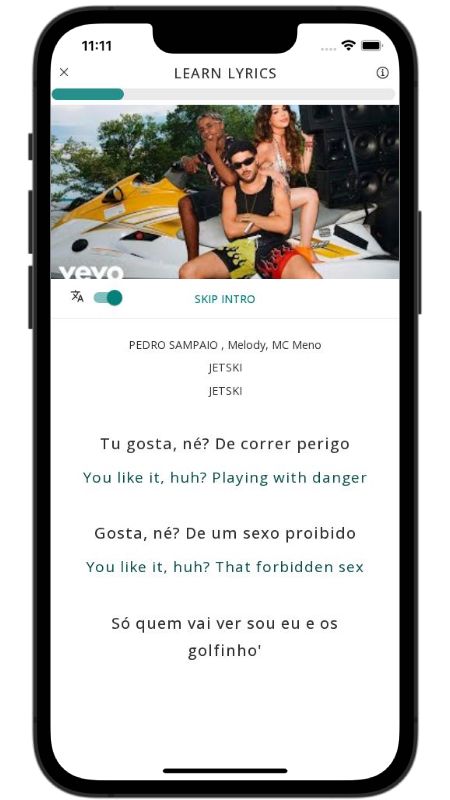
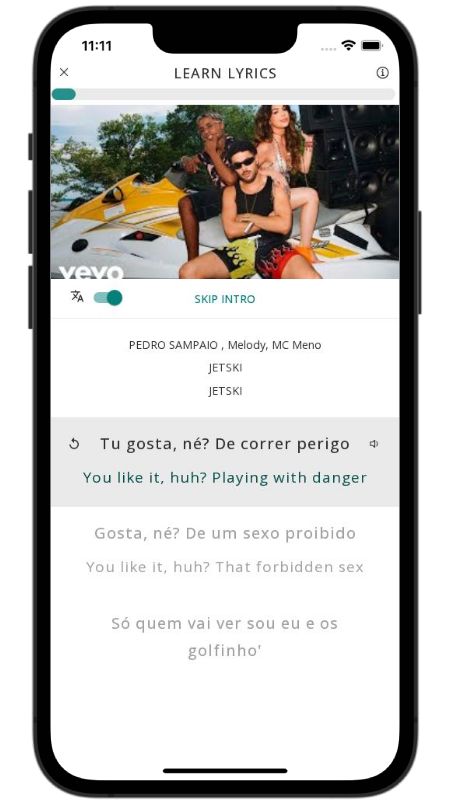
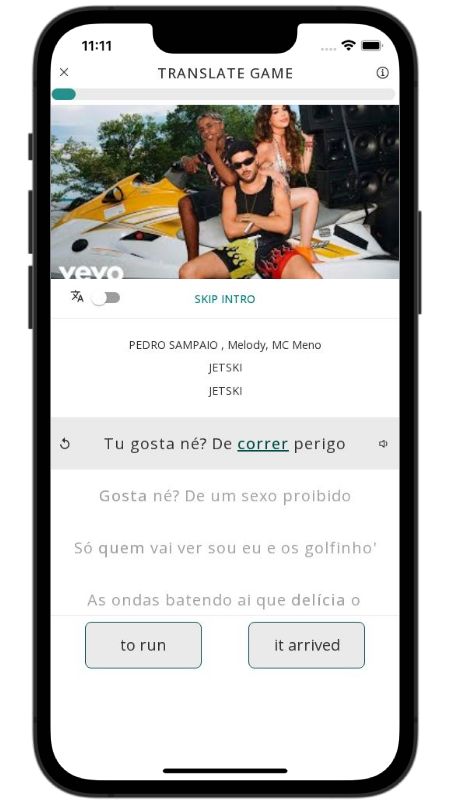
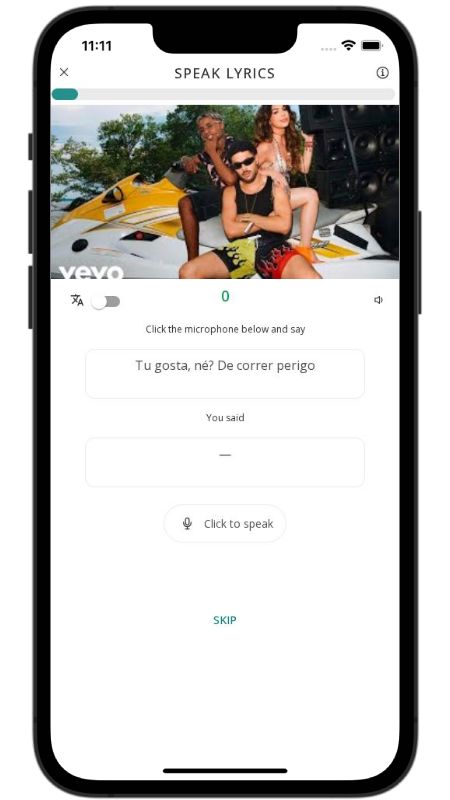
Brazilian hitmaker PEDRO SAMPAIO teams up with Melody and MC Meno for "JETSKI", a track that sets all its wild summer romance directly out on the open water. The whole premise is hilariously reckless: having an intimate hookup on a jet ski in the middle of the sea. They kick things off with cheeky questions like "Tu gosta, né? De correr perigo / Gosta, né? De um sexo proibido" ("You like danger, right? You like forbidden sex, right?"), laughing about how the only witnesses around are the ocean waves and "os golfinho'" ("the dolphins"). There is no heavy emotional baggage here; the beat is built for unbothered single people living in the sunshine ("Solteiro e ser feliz" [Single and being happy]).
Lyrically, the song leans into raw Brazilian funk dance slang that learners should definitely know. When Melody sings "vou rebolar pra tu" ("I'm gonna shake my hips for you"), she uses rebolar, the essential dance verb for rolling your hips to the rhythm. Later, the lyrics get intensely direct with "me maceta" (literally "smash me" or "hit it hard"), an aggressive piece of modern party slang used to describe going all out, whether dancing furiously or hooking up. With lost bikinis ("o biquíni caindo") and sweaty ocean breezes, the track turns watercraft into the ultimate party dancefloor.