El Del Palenque Lyrics in English by Los Alegres Del Barranco
Palenque is a deeply cultural word in Mexico that refers to a circular arena, historically used for cockfights but widely known today as an intimate, lively venue for regional music concerts.
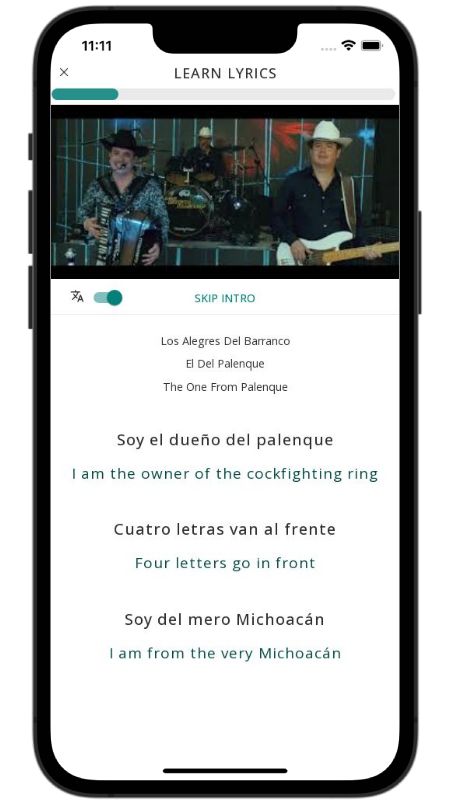
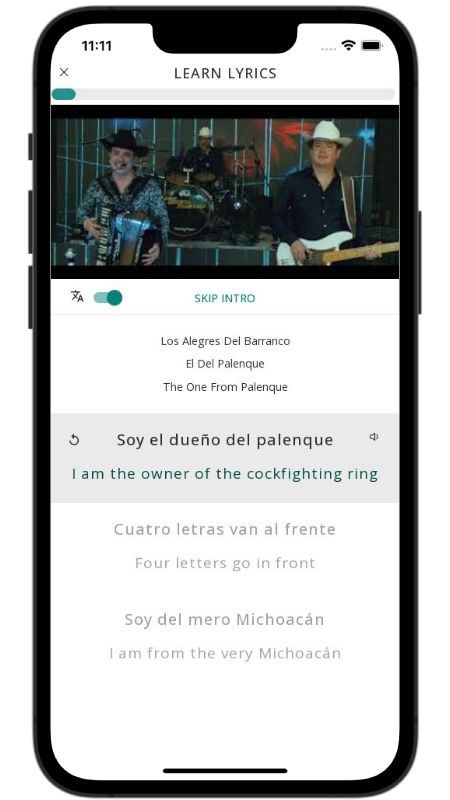
In this corrido, the singer boldly calls himself "el dueño del palenque" (the owner of the arena) alongside mentioning his fighting roosters. He uses this cultural setting as a powerful metaphor to establish dominance, showing that he completely controls his territory and the dangerous game he is playing.
El Del Palenque by Los Alegres Del Barranco throws you straight into the underworld of Mexican narcocorridos. The speaker announces himself as the top boss: "Soy el dueño del palenque" ("I am the owner of the cockpit/arena") and "Soy el señor de los gallos" ("I am the lord of the roosters"). While a palenque is traditionally a ring for cockfighting, here it works as a direct metaphor for his cartel territory. He tells us where he comes from: "Tierra Caliente" ("Hot Land") in Michoacán, working at the head of the Jalisco cartel ("las cuatro letras", referring to CJNG). He trades traditional fighting blades for heavy firepower: "Las navajas las cambiamos / Por R y cuernos de chivo" ("We swapped the blades / For AR-15s and AK-47s"), backed up by .50 caliber guns, anti-aircraft weapons, and armored trucks known as "monstruos pa' los caminos" ("monsters for the roads").
The track reads like an internal roll call of his armed cells: Los Elite, Los Guerreros, Los Delta, and lieutenants like El Jardinero and 85, who take orders directly from "Mencho". Even with all the heavy metal and warlike posturing, the mood shifts to personal loyalties in the middle. He shouts out his imprisoned allies like Merino, waiting for them to leave "el encierro" ("the lockup"), and sends love to "mi princesa" ("my princess") and his compadre Tuli. He shrugs off the danger with a gambler's mindset: "Hay ganadas y perdidas" ("There are wins and losses"). At its heart, the track balances violent boasts with family devotion: "Y aunque soy hombre de guerra / Quiero mucho a mi familia" ("And although I am a man of war / I love my family dearly").