Si No Estás Lyrics in English by iñigo quintero
Viciado is a powerful way to say "addicted" or "hooked". While you might learn adicto in a textbook, viciado suggests a more intense, all-consuming habit, almost like a vice you can't quit.
In the song, the singer confesses, "estoy viciado a tu amor" (I'm addicted to your love). He uses this word to perfectly capture the feeling of an obsessive love that has become an unhealthy, yet unbreakable, dependency.
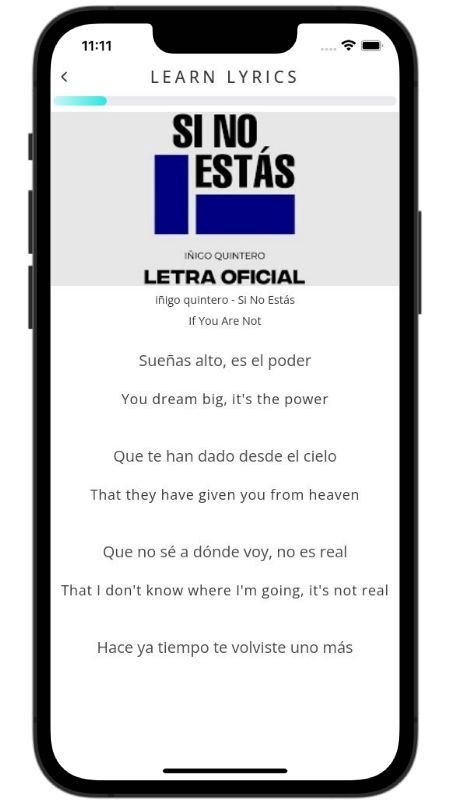
Spanish singer-songwriter iñigo quintero delivers an intense pop ballad about spiraling when someone vital suddenly vanishes from your life. The song kicks off with disorientation and dread. He sings, "odio cuando estoy lleno de este veneno / Y oigo truenos si no estás" ("I hate when I'm filled with this poison / And I hear thunder if you're not here"), comparing their absence to physical sickness and stormy chaos. It quickly turns into full sensory overload where he claims "se me aparecen mil planetas de repente / Esto es una alucinación" ("a thousand planets suddenly appear to me / this is a hallucination"). He is losing his grip on reality because the distance between them feels unbearable.
What makes the lyrics fun for language learners is how brutally honest he gets about his attachment. He admits, "Esto es una obsesión" ("This is an obsession") and calls out the person for playing games with "No vas de frente" ("You don't face things directly" or "You aren't straightforward"), which is a fantastic everyday Spanish idiom to describe someone being evasive. By the climax, he is fed up with tiny hints ("No me sirven tus pocas señales" ["Your few signs are no use to me"]) and ready to drop everything with "Dos billetes para amarte" ("Two tickets to love you"). It wraps up on an unapologetically dramatic confession: "estoy viciado a tu amor" ("I'm hooked on your love"), using estar viciado, a phrase usually meant for vices or bad habits, to show just how deep the craving goes.