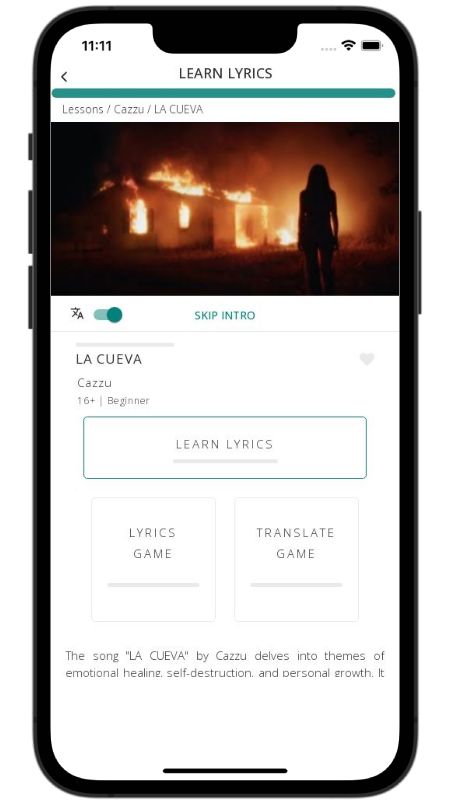
LA CUEVA Lyrics in English by Cazzu
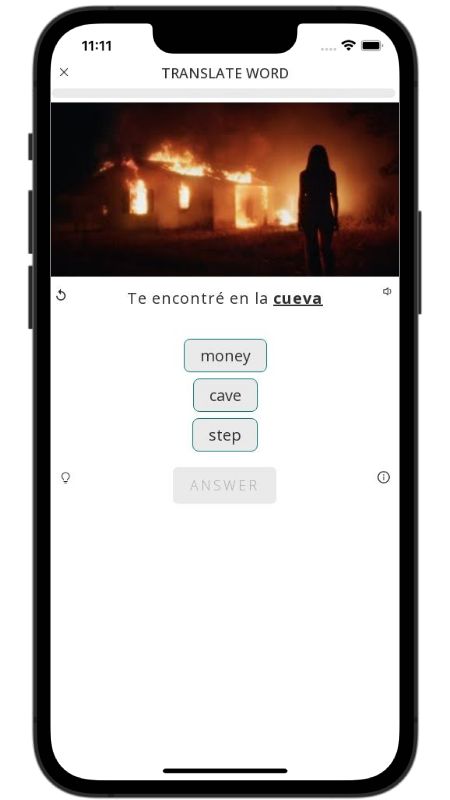
Cueva literally translates to "cave". While it's a simple word, Cazzu uses it as a powerful metaphor for a dark, isolated place of emotional brokenness.
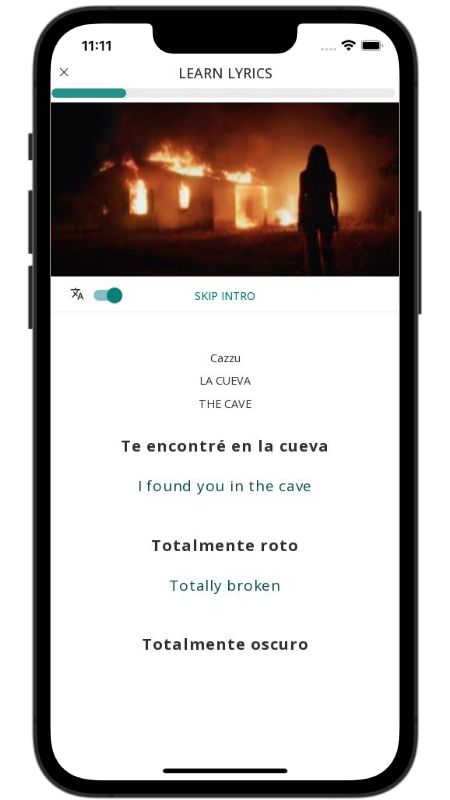
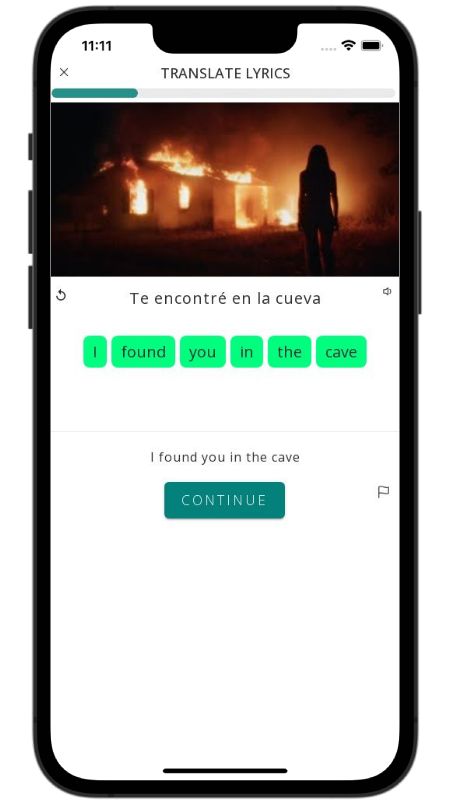
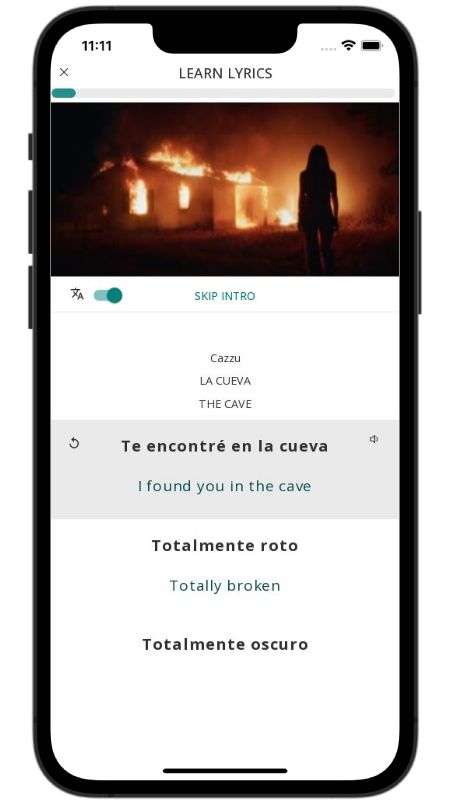
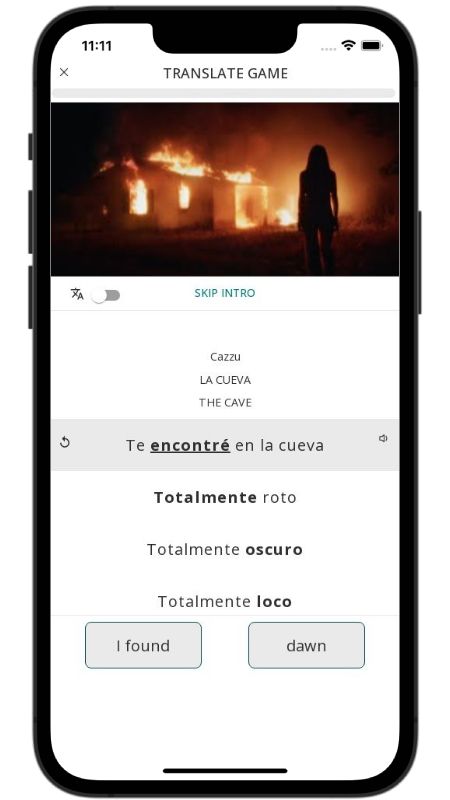
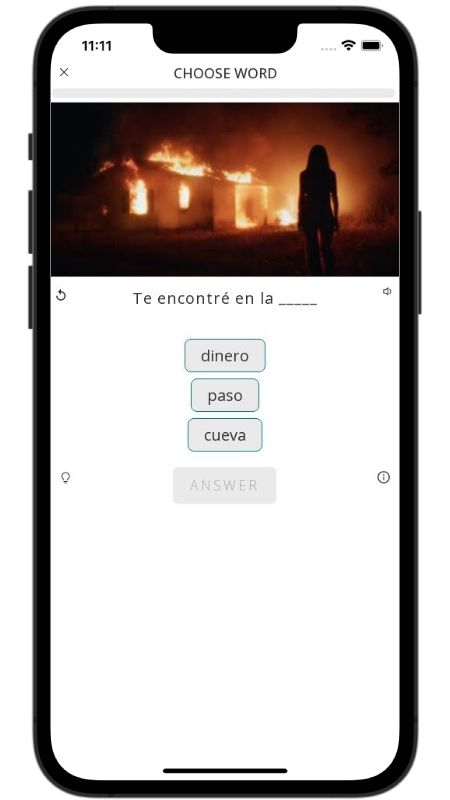
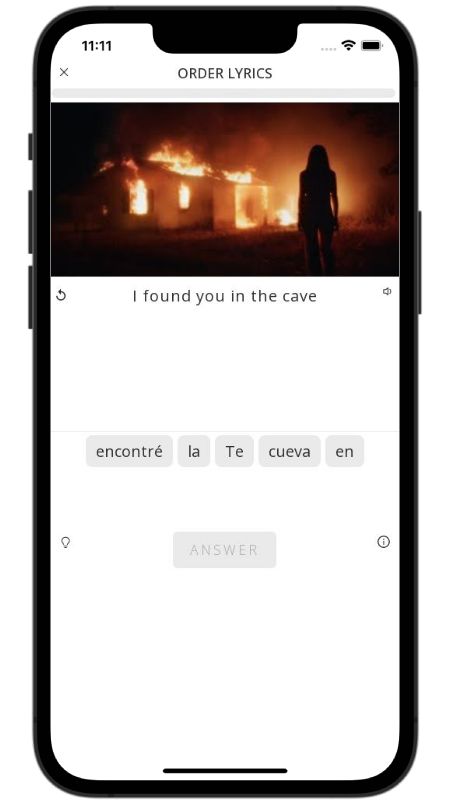
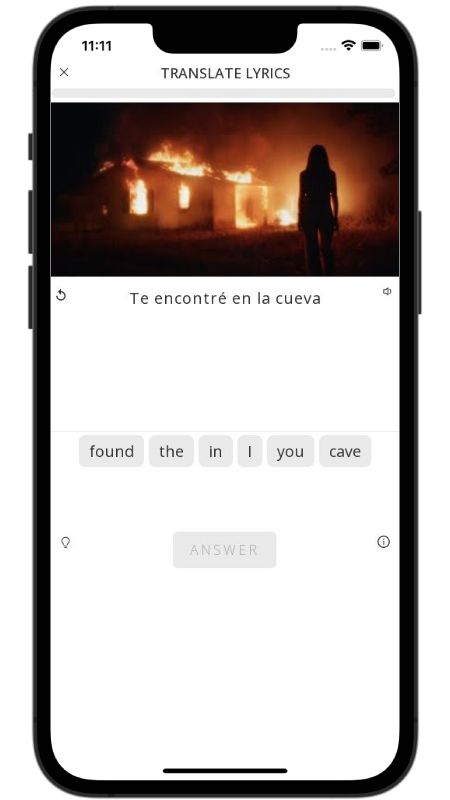
She sings, "Te encontré en la cueva" (I found you in the cave), to describe finding someone at their lowest point. The song's story revolves around this idea, predicting the person will return to this metaphorical cave, as they are their own "propio prisionero" (own prisoner).
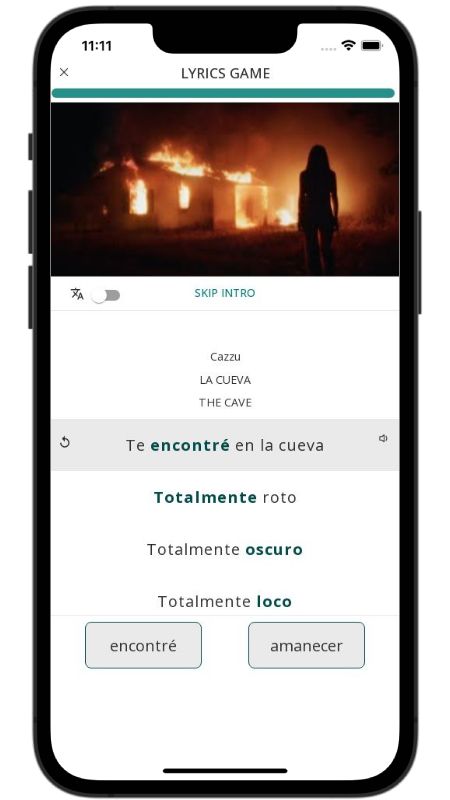
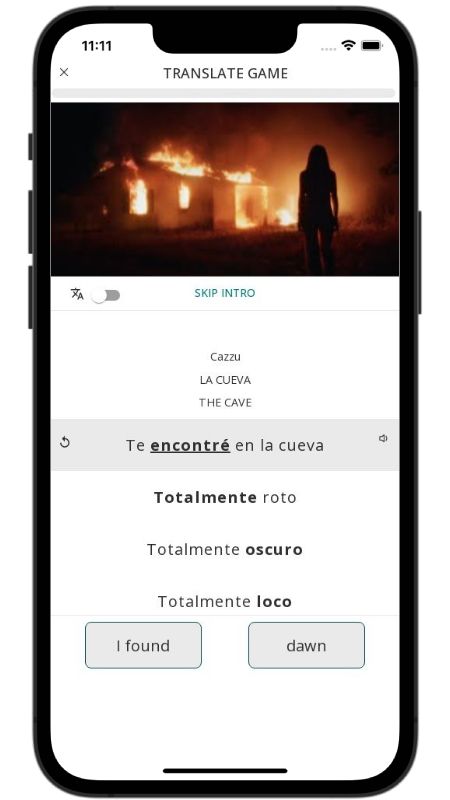
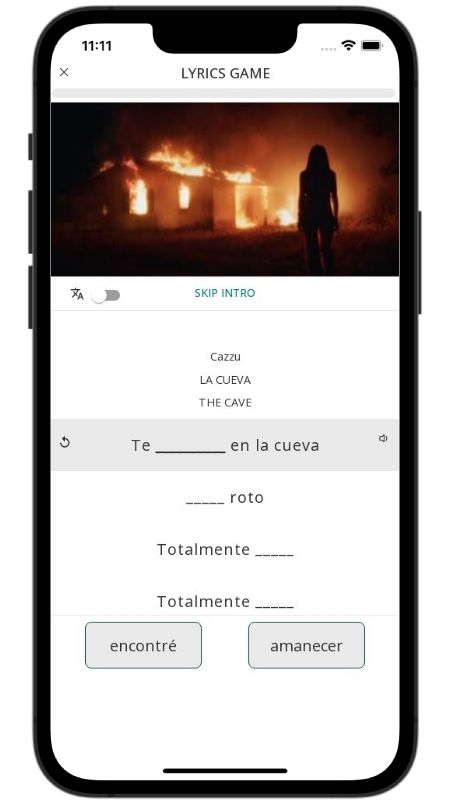
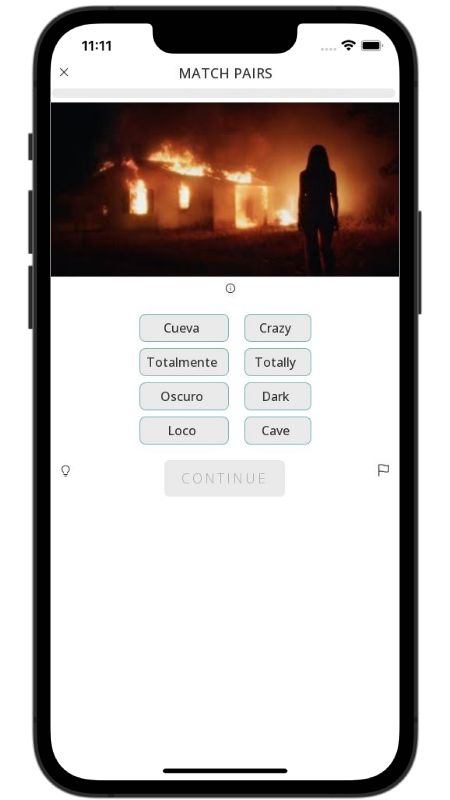
In "LA CUEVA", Argentine star Cazzu serves up a direct post-breakup reality check set to a reggaeton rhythm. She starts by looking back at where she first met her ex: "Te encontré en la cueva / Totalmente roto / Totalmente oscuro / Totalmente loco" [I found you in the cave / Completely broken / Completely dark / Completely crazy]. She nursed his wounds and helped him back into the light, only to realise he cared only about himself. To make things worse, she calls out his destruction of their bond with biting humor: "Convertiste nuestra historia / En una maldita parodia" [You turned our story / Into a damn parody].
Notice how she talks directly to him using Argentine Spanish grammar: "Sos tu propio prisionero" [You are your own prisoner]. The word "sos" is the local way to say "you are," swapping out the standard "eres". She warns him that neither piles of cash nor new women can hide his regret once sunrise hits: "¿Y qué vas a hacer al amanecer? / Cuando la nostalgia no la tape una mujer" [And what are you going to do at dawn? / When nostalgia isn't covered up by a woman]. By the time the chorus drops, she shuts the door completely. She promises that she will bloom once the pain fades, and as for getting back together? "No se va a poder" [It won't be possible].

























![Peli-Culeo [Remix] Lyrics Translation](https://img.youtube.com/vi/lPEETy25iug/mqdefault.jpg)