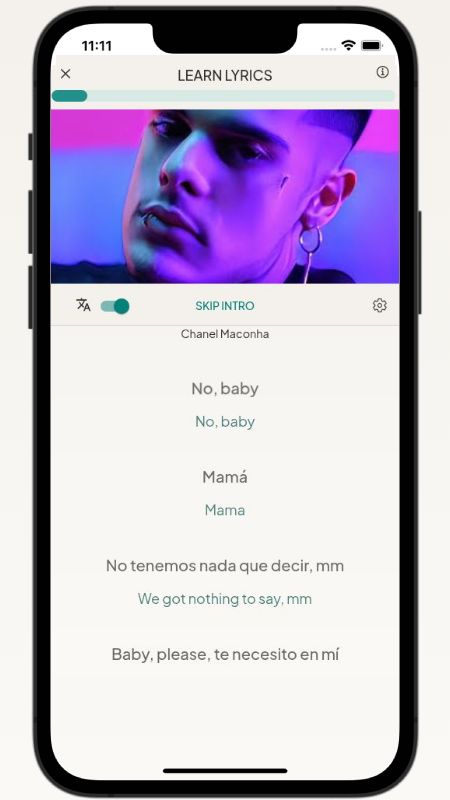
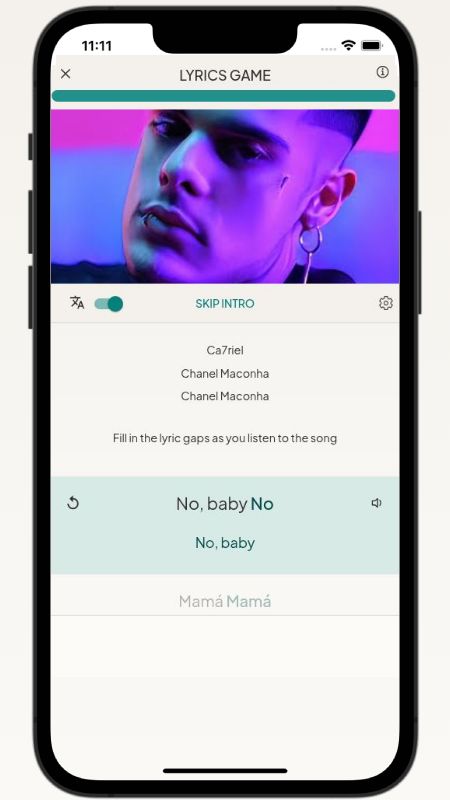
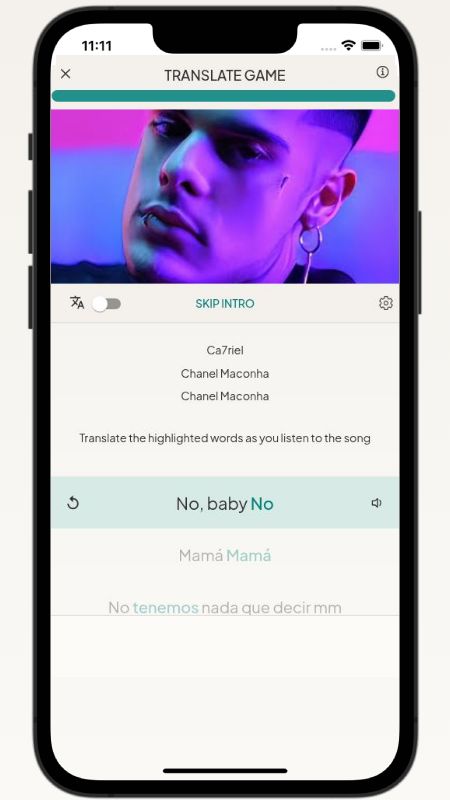
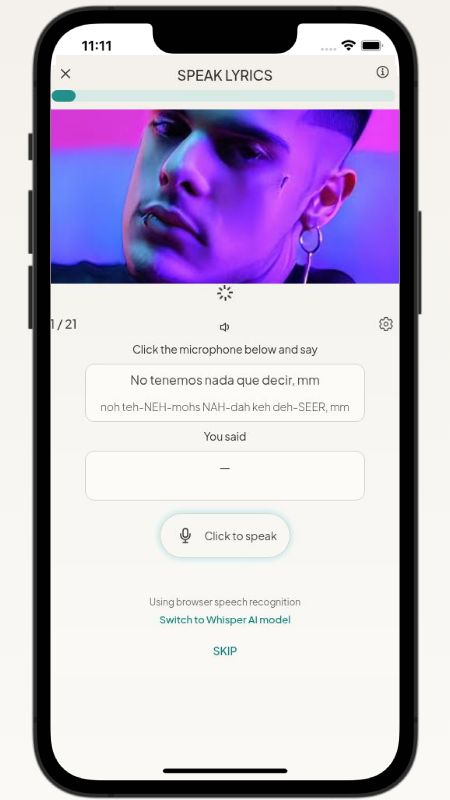
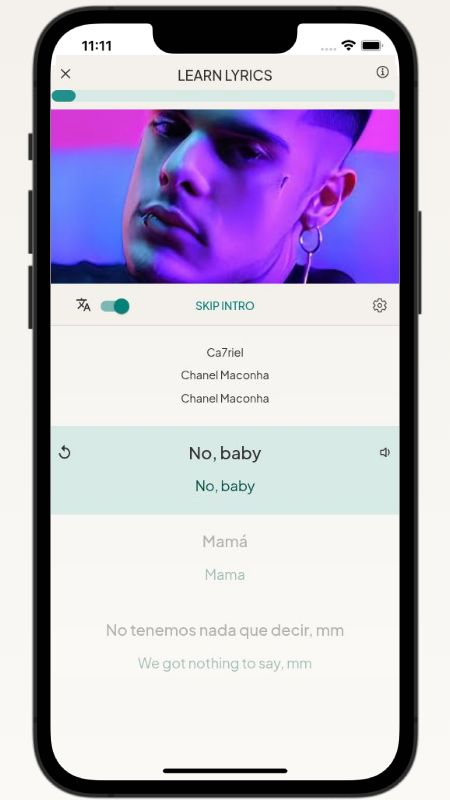
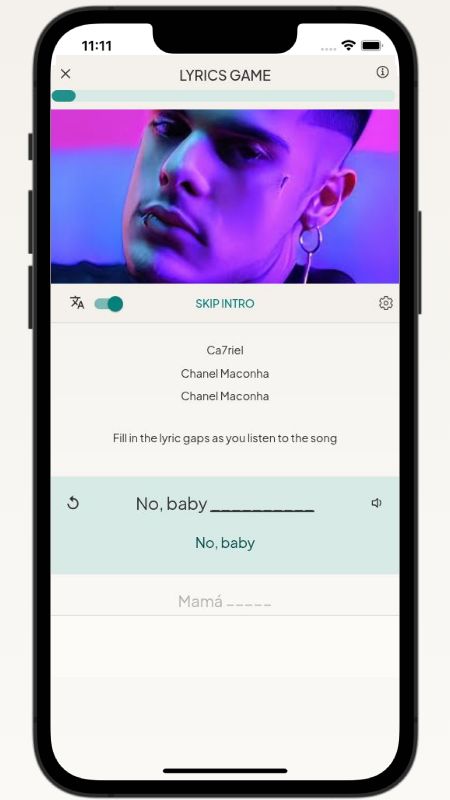
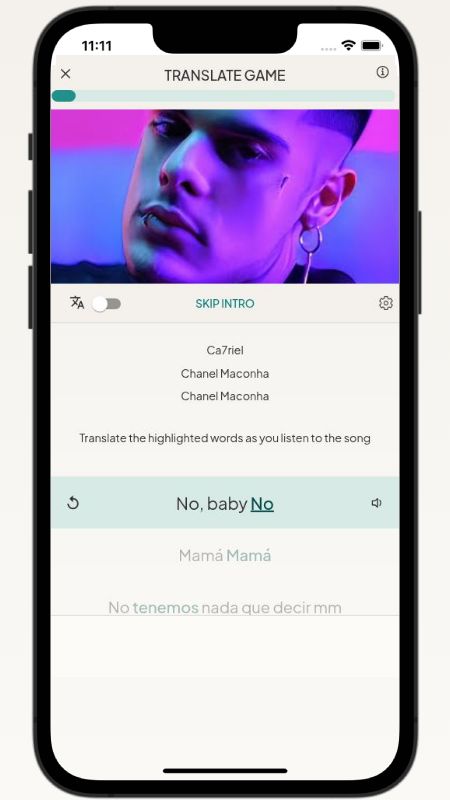
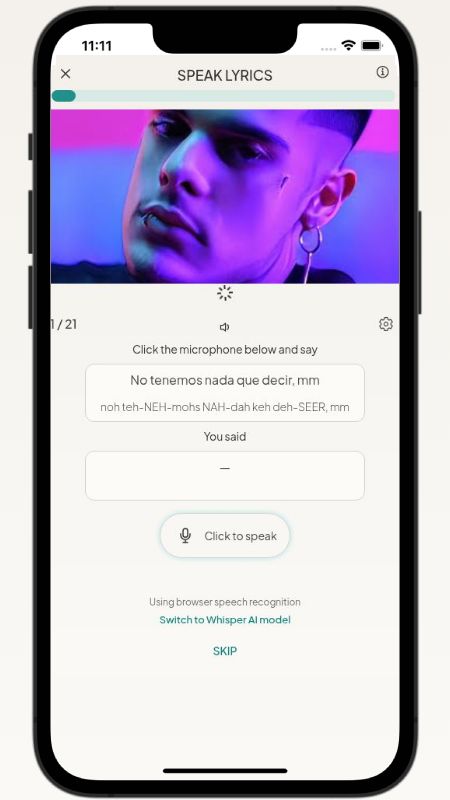
Chanel Maconha Lyrics in English by Ca7riel
Burlé comes from the verb burlar, which means to mock, to trick, or to evade. It's a dynamic and less common verb in everyday conversation, making it stand out.
In the song, the line "cuando te vi a la muerte burlé" translates to "when I saw you, I evaded death." This powerful imagery suggests that the sight of the person was so impactful it saved the singer from a dire situation, or perhaps made them feel invincible. It's a dramatic and memorable use of the word.
Dive into the hazy, intoxicating world of 'Chanel Maconha'! This song is all about a fiery and complicated relationship where words are unnecessary. The singer and his partner communicate through actions, bringing their most secret text messages to life. It’s a story of pure physical connection and desire, where pretending to go to sleep is just an excuse for a wild night.
The title itself, 'Chanel Maconha', paints a perfect picture of the woman at the center of the song. She's a captivating mix of:
- Luxury & Glamour (like a high-end Chanel perfume)
- Rebellion & Wildness (like the hazy smoke of marijuana) This relationship is a euphoric, dangerous escape. It's about surrendering to a passion so intense that it feels like cheating death, even if your friends think you're heading for disaster. It's a love that is both the best and the worst thing that could happen.