Learn English With Kenny Rogers with these 22 Song Recommendations (Full Translations Included!)
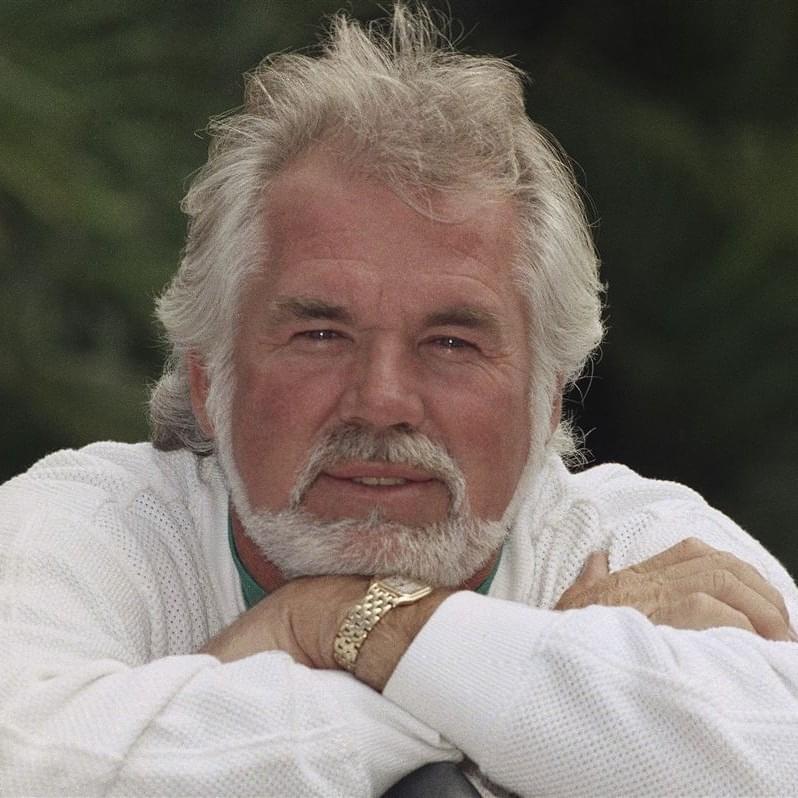
Que legal que você escolheu "Christmas Is My Favorite Time Of Year" do Kenny Rogers! Essa música é um abraço quentinho, né? Ela fala sobre a magia do Natal de um jeito que a gente sente a alegria em cada verso.
O Kenny Rogers nos lembra da sabedoria dos Reis Magos que encontraram o Menino em Belém, e como essa história de amor "vive de novo e nos aproxima" [He lives again and draws us near]. É lindo ver como ele conecta a fé e a alegria das crianças, dizendo que a risada delas e a criança que existe dentro dele mesmo estão sempre lá. "O Natal é a minha época favorita do ano" [Christmas is my favorite time of year], e dá pra sentir isso na forma como ele descreve a "névoa de maravilha" [mist of wonder] debaixo da árvore e as "memórias de presente" [gift of memories] esperando por ele. É uma canção que celebra o espírito natalino que fica no coração, com muito amor por todas as pessoas.
Ascultând „Christmas Is My Favorite Time Of Year” de Kenny Rogers, simți imediat că e o melodie plină de căldură și nostalgie. Kenny ne vorbește despre cum Crăciunul este, într-adevăr, perioada lui preferată din an. Îmi place cum începe cu o referință la povestea biblică, amintind de „How wise the wisemen must have been / To find the Child in Bethlehem” (Cât de înțelepți trebuie să fi fost magii / Să găsească Pruncul în Betleem). Această legătură cu originile sărbătorii ne arată cât de profundă este semnificația Crăciunului pentru el.
Dar nu e doar despre aspectul religios; Kenny aduce în prim-plan și bucuria pură, copilărească. Îmi place cum spune „The laughter in the children's eyes / The child in me is always there” (Râsul din ochii copiilor / Copilul din mine este mereu acolo). E ca și cum Crăciunul are puterea de a ne reconecta cu inocența și minunea copilăriei. Și, desigur, nu uită de cadouri și amintiri, menționând „The mist of wonder lies under my tree / The gift of memories is waiting for me” (Ceața de uimire zace sub bradul meu / Darul amintirilor mă așteaptă). Este o melodie care te face să te gândești la toate lucrurile frumoase care fac din Crăciun o sărbătoare atât de specială.
"Christmas Is My Favorite Time Of Year" es el villancico de Kenny Rogers a la calidez tranquila de la Navidad. Empieza maravillado ante los sabios que encontraron al Niño en Belén ("To find the Child in Bethlehem" / "Encontrar al Niño en Belén"), y de ahí pasa a lo que la época todavía le regala: la risa en los ojos de los niños, un árbol envuelto en asombro, la gente que quiere.
El estribillo repite una idea sencilla, "Christmas is my favorite time of year" / "La Navidad es mi época favorita del año", y en el último verso se abre a todos: "With love for people everywhere" / "Con amor por la gente en todas partes". Es una de las últimas grabaciones de Rogers, más cerca de un villancico tradicional que de sus canciones narrativas.
¡Prepara el oído para una historia con final explosivo! En este clásico del estadounidense Kenny Rogers, el narrador nos presenta a su sobrino Tommy, a quien todo el pueblo tildaba de cobarde y apodaban «Yellow» (un modismo en inglés que significa cobarde, derivado de la idea de no tener agallas). Su padre murió en prisión cuando Tommy apenas tenía diez años, dejándole un consejo muy claro: «Son, you don't have to fight to be a man» («Hijo, no tienes que pelear para ser un hombre»). Tommy se pasa la vida tragándose las burlas y poniendo la otra mejilla, encontrando su refugio en el amor de Becky.
Todo da un giro oscuro cuando los tres hermanos Gatlin atacan a Becky en su casa. Tommy ve el vestido rasgado de su novia llorando («The torn dress, the shattered look»), mira el retrato de su padre y decide que ya fue suficiente. Camina directo a la cantina, traba la puerta por dentro para que nadie escape y desata veinte años de rabia acumulada. Al final, con los tres agresores en el suelo, Tommy le pide perdón a la memoria de su papá cambiando su vieja lección con una frase memorable: «Sometimes you gotta fight when you're a man» («A veces tienes que pelear cuando eres un hombre»). Una lección contundente sobre los límites de la paciencia.
Imagínate la escena: estás en un tren en plena noche de verano, aburrido como una ostra, y el tipo sentado enfrente tuyo te mira fijo y te pide un trago de whisky a cambio de un consejo. Así arranca este clásico del estadounidense Kenny Rogers. El viajero misterioso es un jugador de póker profesional que lee miradas y enseguida le suelta: «I can see you're out of aces» [Veo que te quedaste sin ases]. Es una forma directa y brillante de decirle que se le acabaron las opciones y que la suerte no está de su lado.
A cambio de ese último trago y un cigarrillo prestado, el viejo tahúr le suelta la mejor lección de vida disfrazada de partida de cartas: «You got to know when to hold 'em, know when to fold 'em» [Tienes que saber cuándo mantenerlas, saber cuándo retirarte]. En inglés, to fold significa tirar tus cartas y abandonar la mano cuando no da para más, una metáfora perfecta para saber en qué batallas vale la pena desgastarse y cuándo conviene salir corriendo (run). Al final, el jugador se duerme para siempre en la oscuridad y logra «broke even» [quedar en paz / salir sin perder], dejándole al narrador un as bajo la manga en forma de palabras.
Imagine estar em um trem noturno sem destino certo e encontrar um velho apostador cheio de sabedoria para compartilhar. É exatamente isso que acontece no clássico country "The Gambler", do artista americano Kenny Rogers! A música narra um encontro misterioso onde, em troca de um gole de uísque e um cigarro, um jogador experiente oferece o grande segredo da sobrevivência. Ele usa uma partida de pôquer como uma metáfora perfeita para a vida. A mensagem principal é que viver é como jogar cartas: você precisa saber ler as situações, entender o que deixar para trás e o que guardar com você.
O refrão inesquecível traz a lição mais valiosa de todas: você precisa saber quando apostar, quando desistir, quando se afastar e quando correr. O apostador nos aconselha a não focar obsessivamente nos resultados ou "contar o dinheiro" enquanto ainda estamos na mesa da vida. Em vez disso, devemos aceitar que todas as escolhas trazem vitórias e derrotas. No fim da viagem, o velho adormece e parte deste mundo, mas suas palavras finais se tornam um trunfo inestimável, um verdadeiro "ás" na manga para o narrador. Que tal mergulhar nessa história incrível e praticar o seu português cantando as sábias lições deste clássico?
Представьте себе: тёплый летний вечер, вы едете в поезде «в никуда» и встречаете загадочного попутчика. Именно так начинается эта песня-история от американского кантри-исполнителя Кенни Роджерса. Рассказчик, у которого, по словам его нового знакомого, «не осталось козырей» (out of aces), делится последним глотком виски в обмен на жизненный совет от старого игрока.
Этот совет — настоящая философия жизни, изложенная языком покера. Игрок учит, что главное — это знать, когда рисковать, а когда отступить (know when to hold 'em, know when to fold 'em), когда просто уйти, а когда бежать без оглядки. Его мудрость заключается в том, чтобы не считать выигрыш до конца игры и понимать, что в любой ситуации есть шанс как на победу, так и на поражение. Для рассказчика эти слова становятся тем самым «козырем», которого ему так не хватало.
Sali a bordo di un treno notturno diretto verso l'ignoto con Kenny Rogers in "The Gambler". Questa iconica canzone country non parla solo di poker, ma è una profonda metafora della vita stessa. Il narratore incontra un vecchio giocatore d'azzardo che, in cambio di un sorso di whiskey, condivide la saggezza di una vita intera, racchiusa in una semplice ma potente lezione.
Il cuore della canzone è il consiglio del giocatore, una guida per affrontare le sfide della vita come se fosse una partita a carte. Ci insegna che il segreto per "sopravvivere" non è vincere ogni mano, ma sapere come giocare le carte che ti vengono date. La sua lezione si riassume in poche regole d'oro:
- Sapere quando tenerle (know when to hold 'em): capire quando vale la pena lottare per qualcosa.
- Sapere quando lasciarle (know when to fold 'em): riconoscere quando è il momento di arrendersi e cambiare strategia.
- Sapere quando andarsene (know when to walk away): avere il coraggio di abbandonare una situazione che non ci fa bene.
- Sapere quando correre (know when to run): capire quando è necessario fuggire da un pericolo. Alla fine, il giocatore d'azzardo "finisce in pareggio" con la vita, ma le sue parole diventano "un asso" che il narratore terrà per sempre, un prezioso consiglio su come navigare le incertezze dell'esistenza con saggezza e intuito.
Привіт! Сьогодні ми зануримося у справжню класику від Кенні Роджерса – пісню "The Gambler". Це не просто історія про карти, це ціла філософія життя, розказана мудрим старим гравцем.
Уявіть: теплий літній вечір, потяг мчить у нікуди, і наш оповідач зустрічає таємничого гравця. Обидва надто втомлені, щоб спати, тож вони починають розмовляти. Гравець, який "made a life out of readin' people's faces" [прожив життя, читаючи обличчя людей], бачить, що оповідач "out of aces" [без тузів] і пропонує йому пораду за ковток віскі. І ось тут починається найцікавіше! Він ділиться своїми золотими правилами життя, які ідеально підходять не лише для покерного столу, а й для будь-якої ситуації: "You got to know when to hold 'em, know when to fold 'em, know when to walk away and know when to run" [Ти повинен знати, коли тримати їх, коли скидати їх, коли йти геть і коли бігти]. Це ж геніально, правда? Він також нагадує, що "You never count your money when you're sittin' at the table" [Ніколи не рахуй свої гроші, коли сидиш за столом], адже для цього буде час, коли "the dealing's done" [роздача закінчиться]. І, можливо, найглибша думка: "Every hand's a winner and every hand's a loser, and the best that you can hope for is to die in your sleep" [Кожна рука – переможець, і кожна рука – програшна, і найкраще, на що ти можеш сподіватися, це померти уві сні]. Після цих слів гравець просто засинає, залишаючи нашого героя з цінним уроком. Це пісня про мудрість, виживання та вміння приймати рішення у будь-якій ситуації.
Stell dir vor, du sitzt in einem Zug, der ins Nirgendwo fährt, und triffst einen alten Spieler. Genau das passiert in Kenny Rogers' Klassiker "The Gambler". Der Song ist aber viel mehr als nur eine Geschichte über Poker; er ist eine tiefgründige Lebenslektion. Der erfahrene Spieler teilt seine Weisheit mit dem jungen Erzähler und benutzt dabei die Sprache der Karten, um universelle Wahrheiten über das Leben zu vermitteln.
Die zentrale Botschaft ist eine Anleitung für kluge Entscheidungen, die für jeden von uns nützlich ist. Der Spieler rät:
- Wisse, wann du deine Karten halten musst. (Behalte, was wertvoll ist)
- Wisse, wann du sie wegwerfen musst. (Lass los, was dich zurückhält)
- Wisse, wann du gehen musst. (Erkenne, wann ein Kampf verloren ist)
- Und wisse, wann du rennen musst. (Entkomme aus schlechten Situationen)
Es geht darum, im Leben die richtigen Risiken einzugehen, seine Chancen zu erkennen und zu wissen, wann es besser ist, aufzugeben. Diese Weisheit ist das „Ass“, das der Erzähler am Ende für sich behält.
Forestil dig dette: en varm sommeraften, et tog på vej ingen steder hen, og du møder en gammel gambler. Han er træt, du er træt, og kedsomheden tager over. Så begynder han at tale, og det, der følger, er en lektion i livet, forklædt som et spil kort.
Han deler sin visdom om at kende folk og vide, hvornår man skal holde på sine kort, hvornår man skal smide dem, og hvornår man skal løbe væk. Han siger: "You got to know when to hold 'em, know when to fold 'em, know when to walk away and know when to run" [Du skal vide, hvornår du skal holde dem, vide, hvornår du skal folde dem, vide, hvornår du skal gå væk, og vide, hvornår du skal løbe]. Det handler ikke om at tælle dine penge ved bordet, men om at overleve spillet. En ret så klog mand, ikke sandt? Og hvem ved, måske finder du et es, du kan beholde, ligesom fortælleren i sangen.
Wsiądź do pociągu donikąd z Kennym Rogersem i poznaj tajemniczego hazardzistę! W tej klimatycznej, narracyjnej piosence narrator dzieli się historią przypadkowego spotkania podczas nocnej podróży. Zmęczony i znudzony, spotyka doświadczonego gracza, który za "smak twojej whiskey" oferuje mu życiową mądrość zdobytą przez lata "czytania z ludzkich twarzy".
Ta piosenka to tak naprawdę jedna wielka metafora życia, przedstawiona za pomocą terminologii pokerowej. Rada hazardzisty jest uniwersalna i ponadczasowa:
- "Musisz wiedzieć, kiedy je trzymać, wiedzieć, kiedy je spasować" – to lekcja o podejmowaniu decyzji, o tym, kiedy walczyć, a kiedy odpuścić.
- "Nigdy nie licz pieniędzy, siedząc przy stole" – to przestroga, by nie cieszyć się przedwcześnie i skupić się na teraźniejszości, dopóki zadanie nie zostanie ukończone.
- "Sekretem przetrwania jest wiedzieć, co wyrzucić, a co zatrzymać" – to mądrość o odróżnianiu tego, co w życiu naprawdę ważne.
Choć hazardzista "skończył na zero", narrator odnalazł w jego słowach "asa, którego mógł zatrzymać" – cenną lekcję, która zostanie z nim na zawsze.
Připravte se na klasiku od Kennyho Rogerse, "The Gambler"! Je to příběh o setkání s tajemným hráčem ve vlaku, který nikam nejede. Náš vypravěč je unavený a znuděný, a tak se dá do řeči s tímto starým protřelým chlapíkem.
Hráč, který se živí "čtením tváří lidí" [readin' people's faces] a "poznáním karet podle toho, jak drží oči" [knowin' what the cards were by the way they held their eyes], mu nabídne radu výměnou za doušek whisky. A jakou radu! Nejde jen o karty, ale o život. Hráč říká: "Musíš vědět, kdy je držet, kdy je složit, kdy odejít a kdy utéct" [You got to know when to hold 'em, Know when to fold 'em, Know when to walk away, And know when to run]. Je to taková životní lekce, že? Nikdy nepočítej peníze, když sedíš u stolu, na to bude čas, až bude hotovo rozdávání. A nejlepší, v co můžeš doufat? "Zemřít ve spánku" [to die in your sleep]. Docela drsné, ale pravdivé. Je to píseň o moudrosti, přežití a o tom, jak hrát životní hru.
Kas oled kunagi mõelnud, et elu on nagu kaardimäng? Kenny Rogersi "The Gambler" viib meid reisile, kus kohtume salapärase mänguriga, kes jagab elutarkusi. See lugu räägib ühest soojast suveõhtust rongis, mis sõidab eikuhugi, kus laulja kohtub kogenud mänguriga. Mõlemad on liiga väsinud, et magada, ja igavus sunnib mängurit rääkima.
See mängur on elu jooksul õppinud lugema inimeste nägusid ja teadma, millised kaardid neil on. Ta pakub lauljale viskit vastu nõuannete eest, öeldes: "If you're gonna play the game, boy, you gotta learn to play it right" [Kui sa tahad mängu mängida, poiss, pead sa õppima seda õigesti mängima]. Ta õpetab elutähtsaid reegleid: "Know when to hold 'em, know when to fold 'em, know when to walk away, and know when to run" [Tea, millal hoida, tea, millal loobuda, tea, millal minema kõndida ja tea, millal joosta]. See on lugu elust endast, kus iga käsi on nii võitja kui ka kaotaja, ja saladus ellujäämiseks on teada, mida ära visata ja mida alles hoida. Lõpuks leiab laulja mänguri viimastest sõnadest endale ässa, mida hoida.
„The Gambler” este ca o mică poveste de tren, spusă la lumina slabă a nopții. Un călător obosit îi cedează ultimul strop de whiskey unui jucător de poker cu experiență și, la schimb, primește un set de reguli simple, dar memorabile. Versurile surprind atmosfera liniștită și tensionată a vagonului: în pașii lor apăsați, cei doi privesc întunericul pe fereastră, iar gamblerul începe să își dezvăluie secretele despre cum citește fețe, gestionează riscuri și navighează jocul vieții.
Mesajul piesei este mai mare decât jocul de cărți. Kenny Rogers transformă strategia de poker în sfaturi despre decizii în viață: „Know when to hold ’em, know when to fold ’em” devine un îndemn să știi când să insiști și când să renunți, „Know when to walk away, know when to run” te învață să îți alegi bătăliile, iar „Never count your money when you’re sittin’ at the table” reamintește că nu e bine să te bucuri prea devreme. La final, protagonistul înțelege că adevăratul „as” câștigat nu este o carte, ci înțelepciunea primită. Piesa este un reminder catchy că viața e un joc de noroc, însă cu sfaturi bune poți, cel puțin, „să închei mâna” cu demnitate.
Prêt pour un voyage en train pas comme les autres ? Dans "The Gambler", Kenny Rogers nous raconte sa rencontre nocturne avec un vieux joueur de poker. Mais attention, cette chanson est bien plus qu'une simple histoire de cartes ! C'est une profonde leçon de vie, où le poker devient une métaphore pour les décisions que nous prenons chaque jour. Le vieil homme, en échange d'une gorgée de whisky, partage sa sagesse accumulée au fil des ans.
Le conseil du joueur est simple mais puissant, un véritable guide pour survivre dans le "jeu" de la vie. Il explique qu'il faut savoir quand garder ses cartes et quand les jeter, quand s'éloigner et même quand s'enfuir. En d'autres termes, il faut apprendre à reconnaître les opportunités à saisir, les combats qui en valent la peine, et les situations qu'il est plus sage de quitter. C'est cette sagesse, cet "as" que le narrateur gardera précieusement, qui transforme une rencontre fortuite en une leçon inoubliable.
Kenny Rogers'ın "The Gambler" şarkısı, bir trende geçen unutulmaz bir karşılaşmayı anlatıyor. Hikaye, hiçbir yere gitmeyen bir trende, yorgunluktan uyuyamayan bir kumarbazla tanışan bir adamın etrafında dönüyor. Kumarbaz, hayatı boyunca insanları okuyarak ve kartların ne olduğunu gözlerinden anlayarak yaşadığını söylüyor.
Kumarbaz, hayatta kalmanın sırrının neyi atacağını ve neyi tutacağını bilmek olduğunu öğütlüyor. "Ne zaman tutacağını bilmelisin, ne zaman bırakacağını bilmelisin, ne zaman uzaklaşacağını bilmelisin ve ne zaman koşacağını bilmelisin" dizeleriyle, sadece kart oyunlarında değil, hayatın kendisinde de stratejik olmanın önemini vurguluyor. Bu şarkı, sadece bir kumarbazın hikayesi değil, aynı zamanda hayatın iniş çıkışlarıyla nasıl başa çıkılacağına dair bilgece bir ders sunuyor.
„Coward Of The County“ von Kenny Rogers erzählt eine fesselnde Geschichte über einen Mann namens Tommy, der von allen als der „Feigling des Bezirks“ angesehen wird. Warum? Weil er sich weigert zu kämpfen, egal was passiert. Aber Tommy ist kein Feigling. Er hält ein Versprechen, das er seinem sterbenden Vater gegeben hat: „Sohn, du musst nicht kämpfen, um ein Mann zu sein.“ Tommy lebt nach diesen Worten und wendet bei Ärger immer die andere Wange zu.
Doch eines Tages wird diese friedliche Haltung auf die ultimative Probe gestellt, als seine große Liebe Becky von den brutalen Gatlin-Brüdern angegriffen wird. Als Tommy seine verletzte Becky sieht, weiß er, dass er sein Versprechen nicht mehr halten kann. Der Song gipfelt in einem dramatischen Moment, in dem Tommy beweist, dass wahre Stärke nicht darin liegt, Ärger zu vermeiden, sondern darin, für das einzustehen, was richtig ist. Er lehrt uns, dass es manchmal Momente gibt, in denen man kämpfen muss, um ein Mann zu sein.
„Coward Of The County” este o poveste cântată de legendarul artist din Georgia, Kenny Rogers, care îmbină atmosfera de western cu o lecție de viață plină de tensiune. Personajul principal, Tommy – poreclit Old Yellow – a crescut cu reputația de laș, pentru că a jurat pe patul de moarte al tatălui său să evite orice bătaie. Melodia te prinde imediat prin contrastul dintre promisiunea de a „întoarce și celălalt obraz” și realitatea crudă a vieții dintr-un orășel de țară, unde respectul se câștigă, de multe ori, cu pumnii.
Punctul de cotitură vine când Becky, iubirea lui Tommy, este atacată de frații Gatlin. Abia atunci furia adunată în douăzeci de ani explodează și, în locul lașului, apare un bărbat hotărât să-și apere demnitatea și pe cea a femeii pe care o iubește. Finalul ridică o întrebare tulburătoare: Când devine necesară lupta pentru a-ți păstra onoarea? Piesa ne amintește că adevărata putere stă în alegerea momentului potrivit pentru a acționa și că uneori, ca să fii om, trebuie să știi să mergi mai departe în pace – dar și să îți aperi valorile atunci când totul este pus la încercare.
Questa classica ballata country di Kenny Rogers racconta la storia toccante di Tommy, un ragazzo conosciuto da tutti come il "codardo della contea". Fin da bambino, Tommy ha evitato ogni scontro, guadagnandosi il soprannome di Yellow (un termine dispregiativo per dire codardo). Ma dietro la sua apparente passività si nasconde una promessa solenne fatta a suo padre in punto di morte: non commettere i suoi stessi errori violenti e allontanarsi sempre dai guai. Tommy ha onorato questa promessa per tutta la vita, credendo che non fosse necessario combattere per essere un uomo.
La situazione precipita quando la sua amata, Becky, viene brutalmente aggredita dai tre fratelli Gatlin. Di fronte al dolore della ragazza che ama, Tommy capisce che ci sono momenti in cui una promessa deve essere infranta. La rabbia accumulata in vent'anni esplode in una rissa furiosa in cui affronta da solo i tre aggressori. La canzone si conclude con un messaggio potente e complesso: Tommy dimostra che la sua non era debolezza, ma una scelta. E a volte, come dice lui stesso, "sometimes you gotta fight when you're a man" (a volte devi combattere quando sei un uomo).
Coward Of The County é uma daquelas histórias cantadas que prendem a atenção do começo ao fim. Escrita na forma de uma balada country, a música apresenta Tommy, um rapaz quieto que carrega o apelido de covarde desde criança. Após perder o pai na prisão, ele recebe um último conselho: “afaste-se das brigas, isso não faz de você um fraco”. Kenny Rogers, o contador de histórias nascido na Geórgia, transforma esse conselho em um refrão marcante que ressoa por toda a canção.
Tudo parece caminhar bem até que Becky, o grande amor de Tommy, é violentada pelos temidos irmãos Gatlin. Nesse momento, o herói enfrenta um dilema: honrar a promessa feita ao pai ou defender a mulher que ama. O suspense explode quando Tommy tranca a porta do bar e, depois de vinte anos engolindo insultos, libera toda a raiva contida. A luta derradeira mostra que verdadeira coragem não se mede apenas por evitar conflitos, mas por saber quando é impossível recuar. Assim, a canção discute honra, pacifismo e masculinidade, deixando o ouvinte com a pergunta: “até onde você iria para proteger quem ama?”
Découvrez l'histoire poignante de Tommy, un jeune homme que tout le monde dans son village surnomme « Yellow », ou le « lâche du comté ». Pourquoi ? Car il refuse systématiquement de se battre. Ce que les gens ignorent, c'est qu'il a fait une promesse à son père sur son lit de mort : toujours éviter les ennuis et ne jamais se battre pour prouver sa virilité. Pour son père, la vraie force d'un homme réside dans sa capacité à tendre l'autre joue.
Mais cette promesse est mise à rude épreuve le jour où sa petite amie, Becky, est agressée par les terribles frères Gatlin. Face à la douleur de Becky, Tommy comprend que certaines situations exigent une réponse. Il décide alors de confronter les agresseurs, libérant vingt ans de frustration contenue. La chanson explore magnifiquement le conflit intérieur de Tommy et pose une question essentielle : qu'est-ce que signifie vraiment « être un homme » ? Parfois, il faut savoir se battre pour défendre ce qui compte le plus.

