Bandolero Lyrics in English by Pitbull, Gipsy Kings
Bandolero literally translates to "bandit" or "outlaw". It's a powerful word that evokes images of a romanticized rebel from old stories and films.
In this song, Pitbull embraces this identity, declaring "Bandolero, bandolero, así es mi vida" (Bandit, bandit, that's my life). He's not talking about being a literal criminal, but about living a glamorous, unconventional life by his own rules, unapologetically and outside the mainstream. It's a key word that captures the entire rebellious spirit of the track.
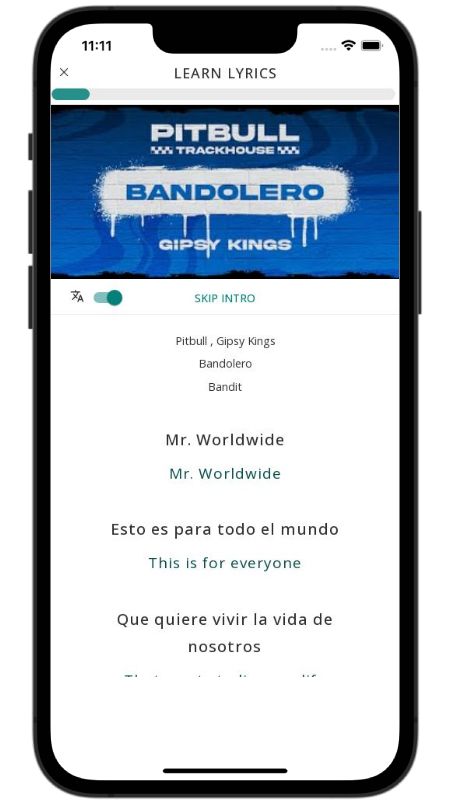
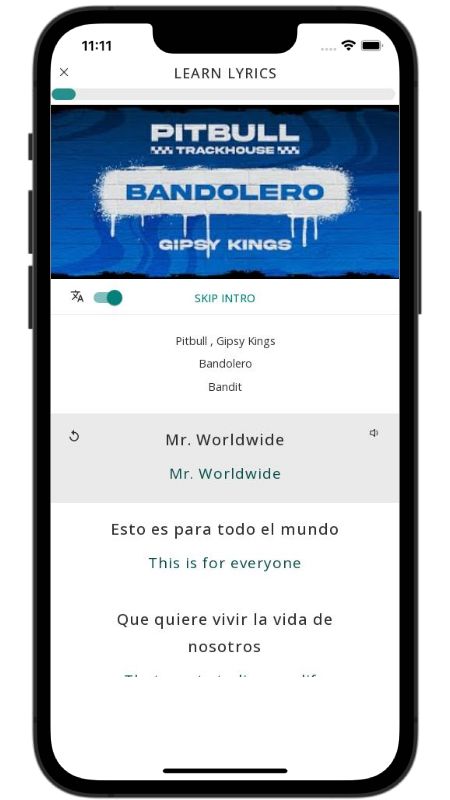
Pitbull teams up with the legendary Gipsy Kings for "Bandolero", and right from the start, he sets the record straight. A bandolero is an outlaw or bandit, and here it represents someone living completely on their own terms. Pitbull warns anyone envying his fast lane: "Esto es para todo el mundo que quiere vivir la vida de nosotros. Para que lo sepan, no es fácil" ("This is for everyone who wants to live our life. Just so you know, it's not easy"). His recipe for handling the pressure is pretty simple: "Dame agüita, limencito y vodka / Yo hago lo que quiero que la vida es corta" ("Give me water, a little lime, and vodka / I do what I want because life is short"). He even throws in a hilarious pun on his real name (Armando Christian Pérez) while boasting about his hustle: "yo sigo vacilando / Yo sigo acabando, yo sigo Armando" ("I keep partying / I keep finishing, I keep being Armando"). If you cannot take the heat, he tells you straight: "Lo tuyo es Mickey Mouse vete para Orlando" ("Yours is Mickey Mouse, go to Orlando"), using the cartoon mouse as slang for childish, amateur nonsense.
Beneath the party beat, the message is about authenticity versus fake fronts. Pitbull calls out pretenders by saying "Esta gente son actore', dale Oscar" ("These people are actors, give them an Oscar") and reminds listeners that his lyrics are his real life, not a movie script. He tracks his own grind from "un centavo a un millón a un billón" ("a penny to a million to a billion") through pure grit, telling his rivals that "venden sueños sin fondos" ("you sell empty dreams"). By the end, the track drops a classic street warning about staying guarded: "Algo me dice que no te enamores / Para que no sufra', para que no llores" ("Something tells me don't fall in love / So you don't suffer, so you don't cry"). It is bold, loud, and totally committed to the outlaw hustle.