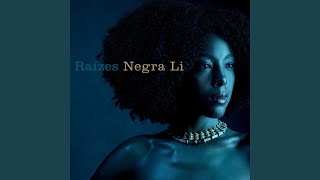
Brasilândia Lyrics in English by Negra Li, Pedro Lotto, Paiva Prod
Malandragem is a rich and complex Portuguese term with no direct one-word translation in English. It refers to a mix of cunning, street smarts and resourcefulness, a certain art of navigating difficult situations cleverly, often bending the rules without real malice.
In the lyrics, "Pode entender a maior malandragem é" ("You can understand the biggest trickery is") repeats the word to frame survival itself, in a tough neighborhood, as its own kind of hard-won wisdom.
In "Brasilândia," Negra Li paints a raw and powerful picture of life in the Brasilândia neighborhood of São Paulo. The song is a testament to survival and resilience in a place marked by hardship. She describes the harsh realities of her environment, referencing friends lost to violence ("meus manos morrendo") and the struggles she witnesses on the streets, like people falling into drug use ("as mina afundando"). The lyrics contrast the desire to be somewhere else with the tough reality of staying put.
Despite the grim scenes, the song's core message is one of strength and authenticity. Negra Li declares, "o que me fortalece não me mata eu tô resistência" ("what strengthens me doesn't kill me, I am resistance"). She emphasizes that in this world, there are no easy fixes or second chances—"a vida não tem auto-tune" ("life has no auto-tune"). The greatest act of cleverness, or malandragem, isn't about tricking the system, but simply about living and surviving. It's a tribute to the people of Brasilândia and a declaration of her own unbreakable spirit.