Wenn Die Elisabeth Lyrics in English by Max Raabe, Das Palast Orchester
Kerzengrad literally translates to "straight as a candle". It's a charming and somewhat old-fashioned compound word that paints a vivid picture.
In the song, it's used to describe Elisabeth's legs: "Tadellos und kerzengrad" (Flawless and straight as a candle). This delightful imagery makes the word memorable and adds a touch of whimsical elegance to the description, making it stand out from more common adjectives.
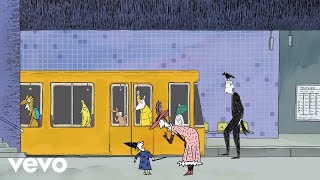
Get ready for a charming and funny story from German singer Max Raabe and his Palast Orchester! This song, performed in the style of 1920s and 30s music, tells us about a woman named Elisabeth and her fashion troubles.
The problem is simple: Elisabeth has wonderfully "tadellos und kerzengrad" (flawless and candle-straight) legs. She has a new, long dress, but she isn't happy with it. Why? Because it hides her best feature! She misses her old, short dress, which let everyone see her amazing legs when she was "Beim Gehen, beim Drehen" (walking and twirling). It's a playful look at how sometimes, showing off a little is more fun than following the latest fashion.