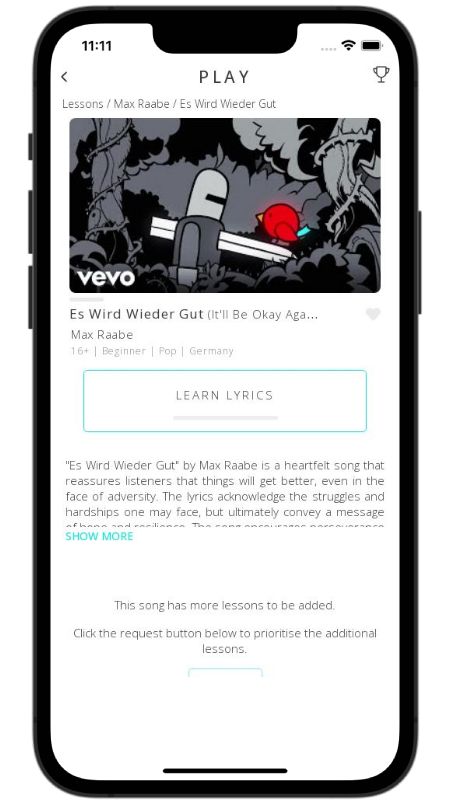
Es Wird Wieder Gut Lyrics in English by Max Raabe
Dauerlauf literally translates to "endurance run" or "long-distance run." It's a compound noun that vividly captures the sustained effort and perseverance required in such an activity.
In the context of the song, Max Raabe uses Dauerlauf as a metaphor for life's challenges. He sings, "Im Leben wie beim Dauerlauf / Gib nicht auf" (In life, just like in an endurance run / Don't give up), encouraging listeners to keep going despite difficulties. This word is interesting because it's specific and creates a strong image of resilience.
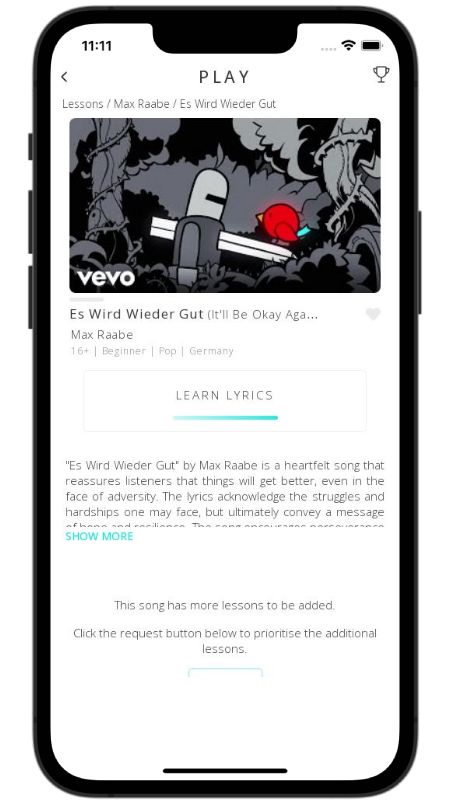
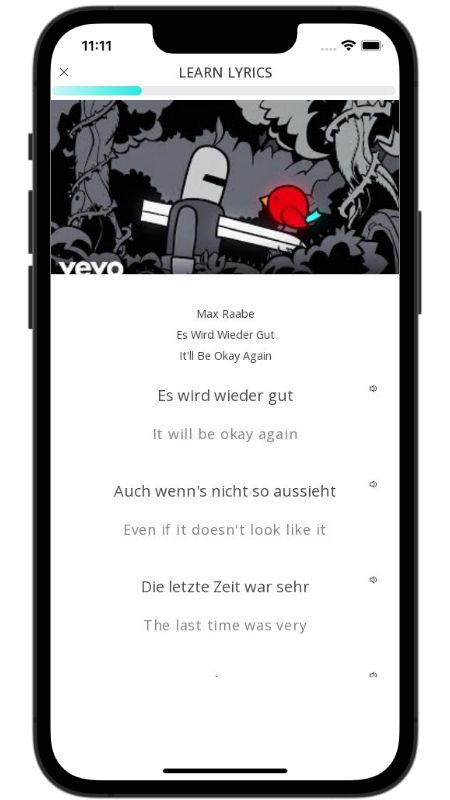
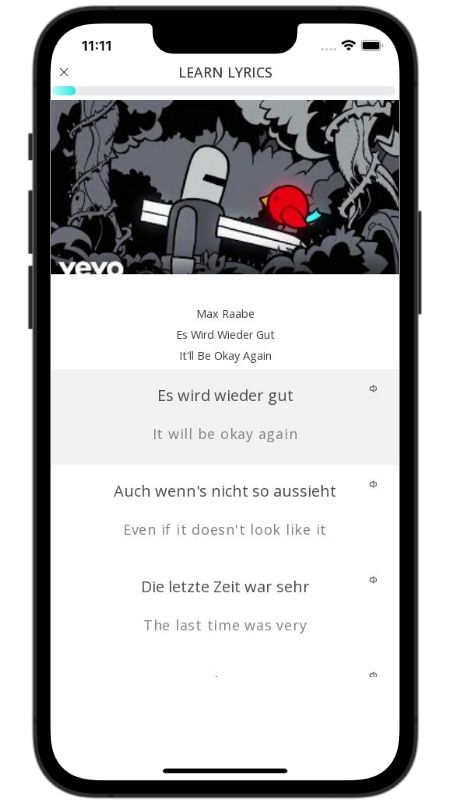
This song is a shot of pure, simple optimism. Max Raabe gets straight to the point with the title and main lyric, "Es wird wieder gut" (It will be good again). He's not pretending things are great right now. In fact, he's very clear that "Die letzte Zeit war sehr / Schwer" (The recent past was very / Hard) and that everything went "ganz massiv" (massively) wrong. The song admits that this is "Ein Tief" (A low point), which is a very direct way of looking at a bad situation.
But the whole message is about perseverance. The song compares life to a long-distance run: "Im Leben wie beim Dauerlauf / Gib nicht auf" (In life, like in an endurance run / Don't give up). It accepts that life has its ups and downs, "Es geht mal runter und mal rauf" (It goes down and then up), and advises you to just accept it. The promise is simple: "Der Schmerz wird vergehen" (The pain will pass), and you will see that things will be good again.