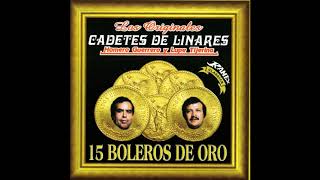
Sigo Esperando Tu Regreso Lyrics in English by Los Cadetes De Linares
Marchaste comes from the verb marcharse, meaning "to leave" or "to go away." While "to leave" might seem common, this specific conjugation and its context in the song make it particularly poignant.
In "Sigo Esperando Tu Regreso," the singer repeatedly laments, "Desde el día que te marchaste no te olvidaré" (Since the day you left, I won't forget you). This word encapsulates the central theme of longing and heartbreak, marking the pivotal moment of separation that drives the entire narrative of waiting for a loved one's return. It's a key emotional anchor in the lyrics.
This song, "Sigo Esperando Tu Regreso" by Los Cadetes De Linares, is a really heartfelt and a little bit heartbreaking message from someone who's been left behind. The singer is literally waiting for their love to come back, saying things like "Y aquí estoy no me dejaste" [And here I am, you didn't leave me] and "Vivo Para guardar y esperar" [I live to keep and wait].
It's clear they're really struggling with the absence. They describe their house as "muy triste" [very sad] and the room as "muy oscuro tan Solo tantos recuerdos" [very dark, so many memories]. Their heart is aching, with lines like "Y mi corazón mi betis Me habla más que él" [And my heart, my betis, speaks to me more than him] and "Mis ojos lloran Con cesc" [My eyes cry with Cesc]. The singer even says, "Desde el día que te marchaste no te Olvidaré" [Since the day you left, I won't forget you] and promises, "siempre aquí me Encontrarás y hasta el día de mi muerte" [you will always find me here, even until the day of my death]. It's a powerful declaration of undying devotion and longing for a lost love.