Lontanissimo Lyrics in English by Lorenzo Fragola
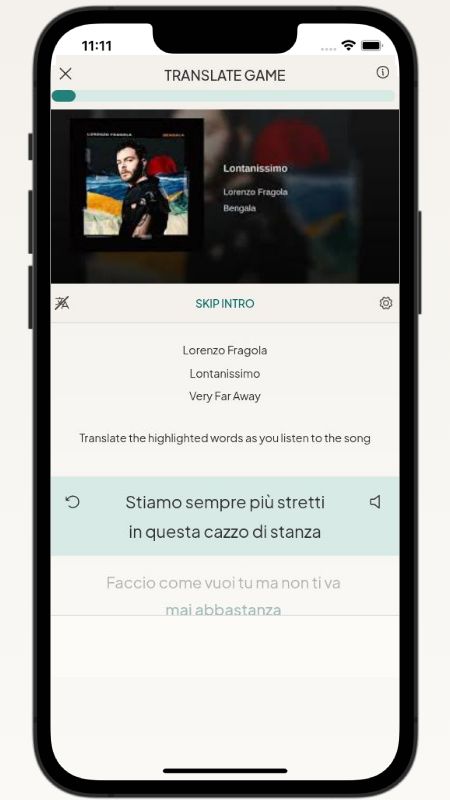
Lontanissimo is the superlative form of 'lontano' (far), meaning 'very far away' or 'farthest'. It's a strong and evocative word that immediately conveys a sense of distance and finality.
In the song, Lorenzo Fragola uses it to express a profound desire to escape and move on from a broken relationship, singing "Che io vado lontano, lontanissimo" (That I go far, very far away). This word perfectly captures the emotional intensity of wanting to leave everything behind.
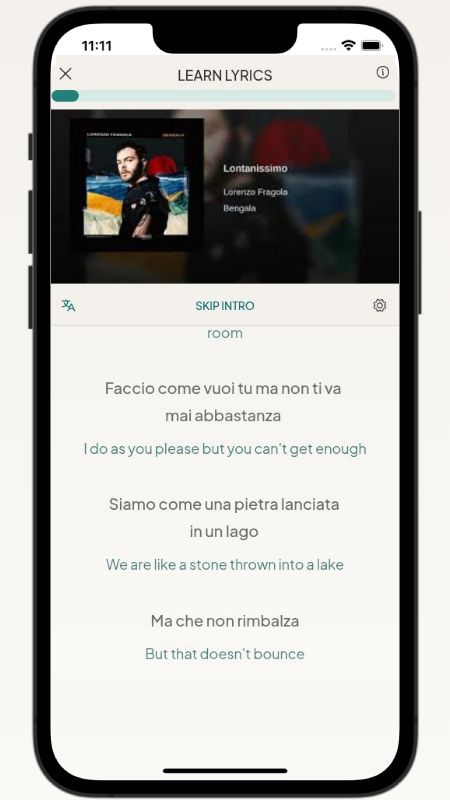
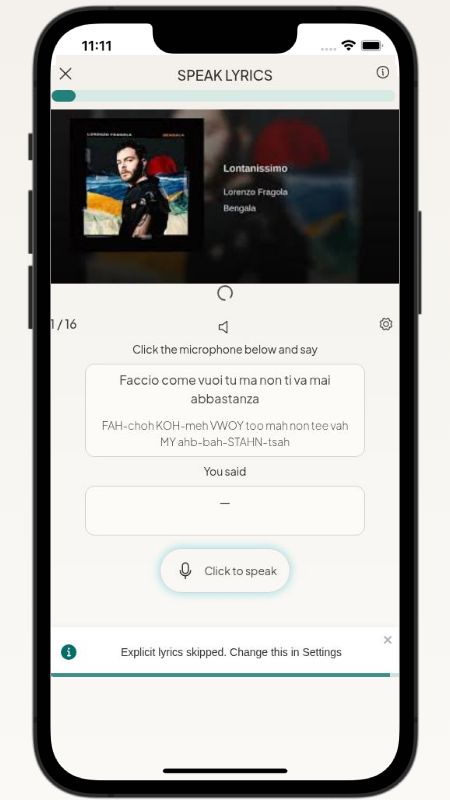
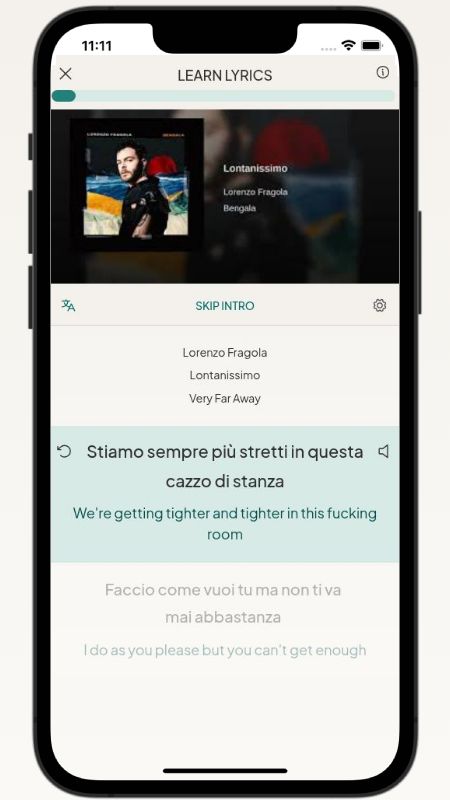
"Lontanissimo" ("Very far away") is Lorenzo Fragola's raw account of a relationship that has stopped working. The opening lines set the scene: two people stuck together in the same room, one trying to please the other and never managing to be enough. The song's central images carry the whole idea — a stone thrown into a lake that never skips, a cigarette that no longer pulls. Both are things that used to work and simply don't anymore.
The chorus is where the anger breaks through. He swears he's leaving, going far away — "lontano, lontanissimo" — and admits he feels terrible about it, before the frustration spills into blunt language. It isn't a calm goodbye; it's the kind of thing said mid-argument, meant and immediately regretted.
By the final verses the shine is gone ("tutto quanto lo smalto," all the polish) and even singing about it doesn't fix anything. The repeated "non ti conosco più" — "I don't know you anymore" — is less a factual claim than the exhaustion of two people who've drifted too far to recognize what they had.