Le Sang Lyrics in English by Kalash, Wejdene, Rvssian
Veuf translates to "widower" (a man whose wife has died). It's a less common word in everyday French, especially in popular music, making it stand out.
In the song, the artist says, "Pour moi, elle est d'jà morte mais j'suis pas veuf" (For me, she's already dead but I'm not a widower). This line uses the word in a metaphorical and somewhat provocative way, implying that while a past relationship or person is emotionally dead to them, they are not mourning or suffering the loss as a widower would. It adds a layer of emotional detachment and resilience to the lyrics.
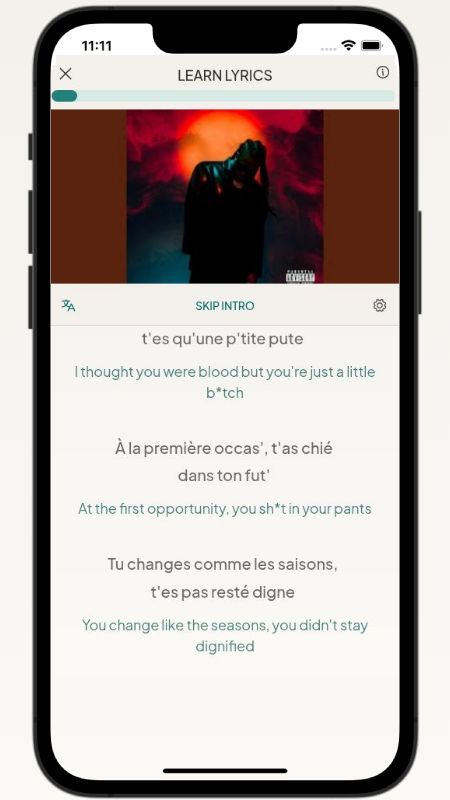
"Le Sang" is Kalash's take on betrayal by someone he once trusted completely — the title plays on the French expression "être le sang," meaning family or someone as close as blood. He opens by admitting he mistook a woman for that kind of loyalty, only for her to turn on him the first chance she got.
The verses move between anger and detachment: he says he no longer wishes her any harm, he just refuses to let anyone get that close again. He contrasts her betrayal with the life he's built since — nice cars, watching his money, staying sharp on stage — and with the people who do matter, like his kids.
The hook repeats "c'est mort," a blunt way of saying something is finished for good, tying the whole song back to that first broken trust: once the bond is gone, there's no going back.