Estás En Mi Pasado Lyrics in English by Ivan Cornejo
Encarcelada means 'imprisoned' or 'jailed'. It's a powerful and evocative word that isn't commonly found in everyday song lyrics, making it stand out.
In the song, the lyric "Encarcelada en mi mente" (imprisoned in my mind) vividly describes how the memory of a past love, despite the singer's efforts to move on, remains trapped and persistent in his thoughts. This metaphorical use of 'imprisoned' adds a deep emotional layer to the song's theme of letting go.
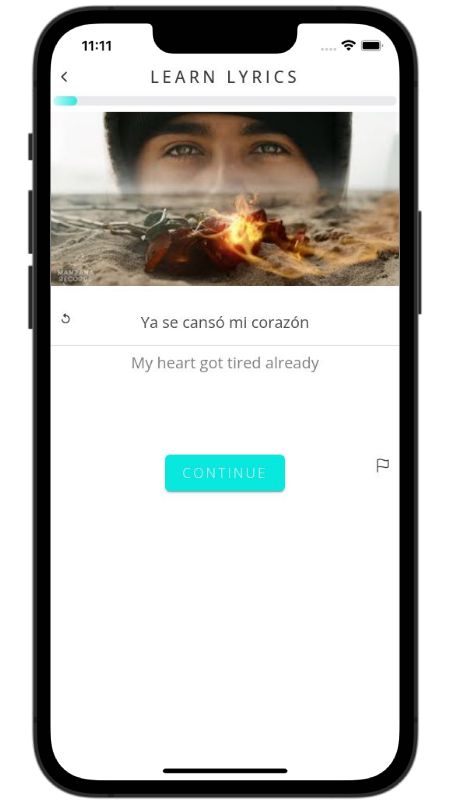
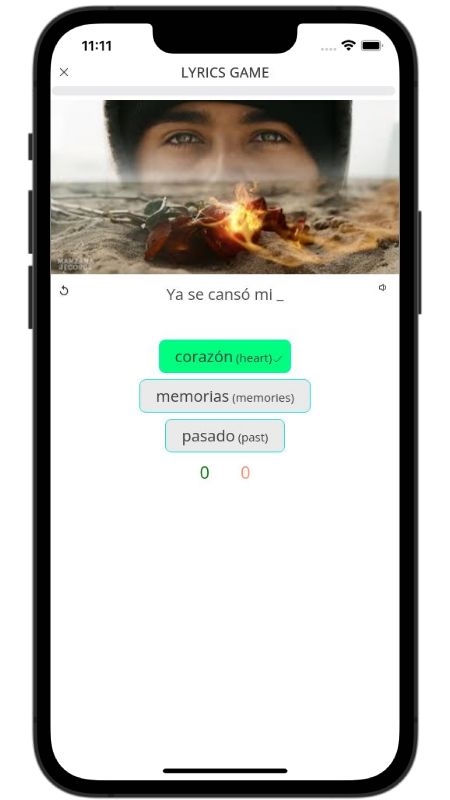
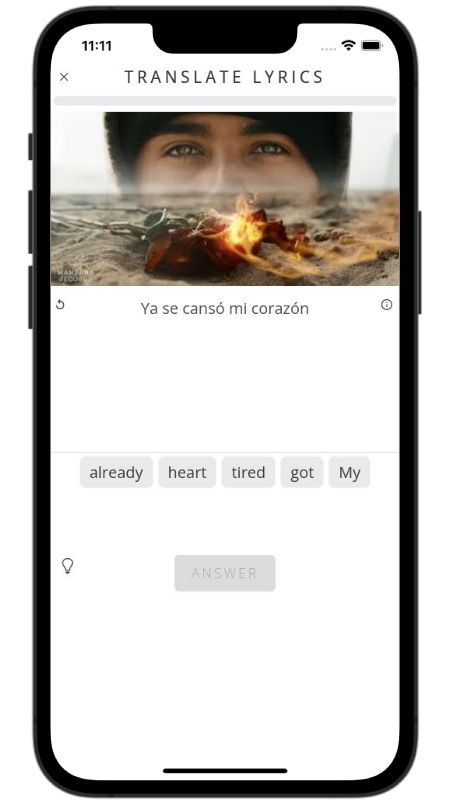
Heartbreak in Regional Mexican music usually means crying into your beer, but Ivan Cornejo flips the script here with a messy, honest attempt to move on. He opens by claiming his heart is done: "Ya se cansó mi corazón" ("My heart got tired already") and announces that he is finally happy alone. To prove it, he tells his ex to take a hike ("Vete ya" [Go away already]) because he is out partying with his boys: "Ahora ando enfiestado con mis compas aquí por un lado" ("Now I am partying with my buddies right by my side"). In Mexican slang, compas is short for compadres (your close circle of trusted friends), and Cornejo leans on them, along with drinks and a cigarette ("unos tragos y un cigarro"), to wipe away old memories. His quiet phone is proof that things ended: "Mi celular ya no suena / Con tus mensajes según me amabas" ("My phone doesn't ring anymore / With your messages about how you supposedly loved me"). Notice that salty little word según ("supposedly")—he is calling out the empty promises.
Still, he cannot fully hide the sting. Even as he boasts about hitting his personal goals ("Mis metas se van logrando" [My goals are being achieved]) and aiming high ("arriba es el lugar donde vamos" [up is where we are headed]), he lets his guard slip right at the finish line. He admits his ex is still locked in his thoughts around the clock: "veinticuatro siete / Encarcelada en mi mente" ("twenty-four seven / Imprisoned in my mind"). He owns up to the hurt by confessing "La verdad que sí me dolió" ("The truth is it really did hurt"), yet he holds his boundary firm: whatever happened, he never wants her back.