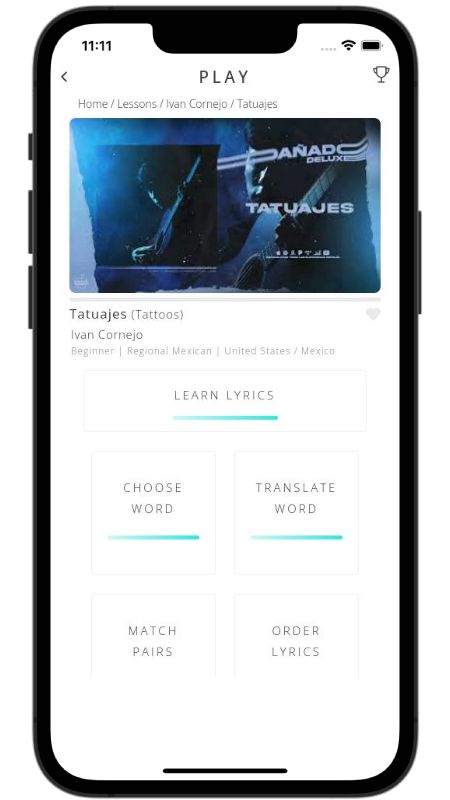
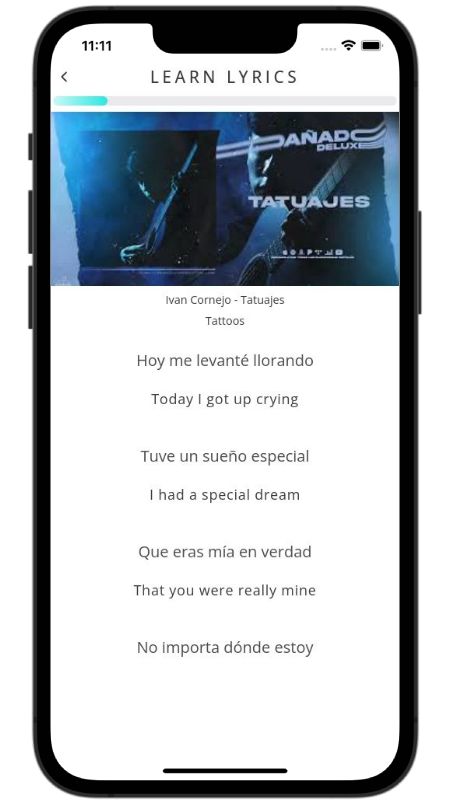
Tatuajes Lyrics in English by Ivan Cornejo
Tatuajes translates to "tattoos", but its use in this song is what makes it so special. It's the key to understanding the song's deep feeling of longing and jealousy.
Ivan Cornejo sings that he's jealous of his ex-lover's tattoos because they get to touch her skin at night, while he can't anymore. This beautiful, heartbreaking metaphor turns a common word into a powerful symbol of lost intimacy, making it unforgettable.
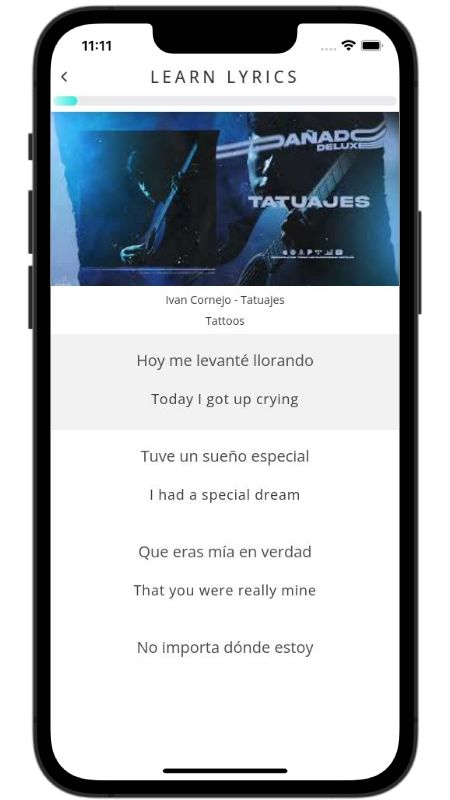
Ivan Cornejo wakes up in tears after a dream where his ex was still his, and the spiral starts immediately. In "Tatuajes", he obsesses over a breakup where his partner left him for someone else. He admits he gave her everything: "Te di mi corazón / Hasta el mundo entero" ("I gave you my heart / Even the whole world"), but she still shattered him right in front of his face. The jealousy gets wildly specific here. He is not just mad about another guy buying her flowers; he sings "me pongo celoso / De pensar que tus tatuajes / Van a tocarte en las noches" ("I get jealous / Thinking that your tattoos / Are going to touch you at night"). Getting jealous of the ink resting on her skin is dramatic, but that is the exact kind of irrational loop your brain falls into when you are this broken up.
He goes back and forth between wishing her well ("te deseo bien") and outright warning her that she will regret walking away. He repeats the question, "Quiero saber / Lo que tú ves en él que no viste en mí" ("I want to know / What you see in him that you didn't see in me"), balancing between pure self-pity and supreme confidence. He is convinced she cannot erase him: "Tú sabes bien que no vas a olvidarme / No vas a poder borrarme" ("You know well that you're not going to forget me / You won't be able to erase me"). It is a straightforward, bruised look at someone who cannot accept that his best version was not enough to make someone stay.