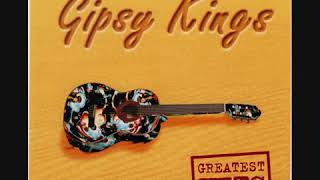
La Guerra Lyrics in English by Gipsy Kings, Tonino Baliardo
Soñar means "to dream." While it might seem common, its repetition and context in "La Guerra" elevate its significance.
The Gipsy Kings use soñar to express a deep yearning for peace amidst the harsh reality of war. They sing, "Quiero soñar hoy dos mundo nuevo" (I want to dream today of a new world), making it a powerful and hopeful word that contrasts sharply with the song's themes of conflict and loss. This makes it particularly memorable and enticing.
The Gipsy Kings spend most of this song on one accusation and one wish. The accusation goes to a single man: "Corazón de fuego, corazón de piedra" (heart of fire, heart of stone), then "Tus manos son de sangre, tú quitas el la vida" (your hands are made of blood, you take life away), and then the name for him, "Hombre de guerra" (man of war). There is no battle here and no country, only a person with blood on his hands and the flat verdict that "Los hombres hacen la guerra con armas en la mano" (men wage war with weapons in their hands).
The wish takes up more of the record than the accusation does. "Quiero soñar" (I want to dream) opens a dozen of the thirty lines, sometimes alone, sometimes finished off as "Quiero soñar hoy dos mundo nuevo" (I want to dream today of two new worlds). The Spanish there is loose and the grammar never tidies itself up, which is how the Gipsy Kings have always sung. Sitting between the two halves is the line that sets the terms: "La paz está en la vida" (peace is in life) and "La guerra hasta la muerte" (war until death). Tonino Baliardo's guitar has the first twenty-five seconds to itself before anyone sings a word.