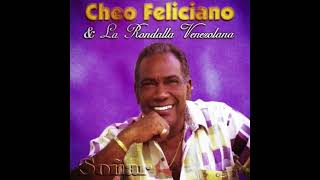
Medley: Sali Porque Sali/Juan Albanil/Trizas Lyrics in English by Cheo Feliciano
Anacaona is a proper noun, referring to a historical Taíno queen from Hispaniola (modern-day Haiti and the Dominican Republic). She was known for her beauty, poetic talents, and leadership.
In this song, Cheo Feliciano pays tribute to her, highlighting her as an "india de raza cautiva" (captive race Indian) and a "valentona" (brave woman) who "muere llorando" (dies crying) but "no perdona" (does not forgive). It's a powerful and culturally significant word that evokes a sense of history, struggle, and resilience, making it very enticing for learners interested in Latin American culture and history.
Cheo Feliciano's "Medley: Sali Porque Sali/Juan Albanil/Trizas" is a fantastic journey through different emotions! It kicks off with a part that feels like someone reflecting on a past love. The singer talks about passing by a place again, hoping to find someone, and dreaming of new illusions: "Echaré ilusiones a volar" [I will let illusions fly]. They're ready to love again and forget what needs to be forgotten: "Y dejar en el olvido cuanto yo deba olvidar" [And leave in oblivion all that I must forget]. There's a bluntness about leaving a relationship: "Si a tu amor yo llegué porque llegué / De tu amor yo salí porque salí" [If I came to your love because I came / From your love I left because I left]. It's almost like saying, "It happened, and now it's over, no big deal!"
Then, the song shifts dramatically to "Anacaona," a powerful tribute to the Taíno queen. Cheo Feliciano's voice brings to life the story of "Anacaona, india de raza cautiva" [Anacaona, an Indian of captive race], highlighting her strength and sorrow. You can hear the anguish in lines like "Anacaona oí la voz / De tu angustiado corazón" [Anacaona I heard the voice / Of your distressed heart]. It's a moving piece about a noble and brave woman who "muere llorando" [dies crying] but "no perdona" [does not forgive]. This medley really shows off Cheo Feliciano's incredible range, from the personal reflections of love and loss to a deep, historical homage.