Hijo De La Luna Lyrics in English by Mecano
Menguar means "to wane" or "to diminish," a verb most famously used to describe the moon's phases. It's a key word in this song's hauntingly beautiful final image.
The lyrics say, "Y, si el niño llora, menguará la luna para hacerle una cuna" (And if the child cries, the moon will wane to make him a cradle). This poetic line transforms the moon from a celestial body into a loving mother, creating a powerful and unforgettable ending to the tragic legend.
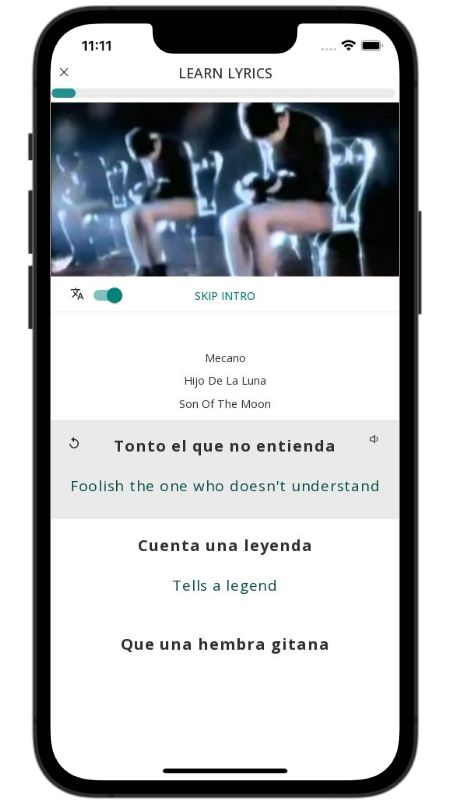
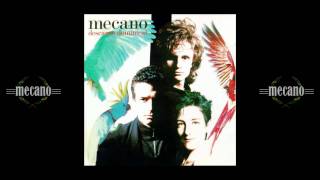
"Hijo de la Luna" by the Spanish pop group Mecano tells a dark, tragic folk tale about a desperate bargain. A Romani woman begs the moon to help her marry a calé (a Romani man). The full moon agrees, but demands a brutal price: "a cambio, quiero el hijo primero que le engendres a él" ("in exchange, I want the first child you bear him"). The moon’s reasoning is cold and blunt: anyone willing to sacrifice their firstborn just to avoid being alone couldn't have loved the child much anyway.
Things spiral out of control when the baby is born. Both parents have dark features ("padre canela" / "cinnamon father"), but the child arrives completely pale with grey eyes: "blanco como el lomo de un armiño" ("white as the back of an ermine"). The father instantly suspects betrayal, shouting "este hijo es de un payo" ("this child belongs to an outsider/non-Romani"), and attacks his wife with a knife before abandoning the newborn on a mountainside. In the end, the moon gets the baby she always wanted. Now, whenever the child is happy, the moon shines full; when he cries, she wanes into a crescent to make him a cradle.