Guten Tag, Liebes Glück Lyrics in English by Max Raabe
Schlechte Gewissen is a classic German noun phrase that literally translates to "bad conscience". It perfectly describes that nagging feeling of guilt you get when you know you've done something a bit wrong.
In this charming song, after Luck (personified) comes to visit, the singer's schlechte Gewissen kicks in. He starts to feel guilty for hogging all the good fortune, wondering if others are now missing out. This quirky, relatable twist makes the word—and the song—truly memorable.
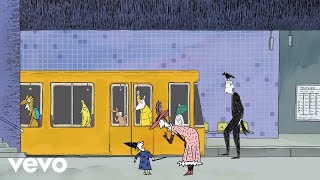
This song has such a charming and funny idea at its heart: what if happiness was a real person who just knocked on your door one day? Max Raabe decides that if happiness shows up, he's going to be a good host. He says, "Steht das Glück vor der Tür / Dann lasse ich es rein" (If happiness is at the door / Then I'll let it in) and even offers it coffee or tea. He has a very relaxed attitude about it, figuring that the best way to make happiness stay is not to cling to it too tightly: "Denn ich weiß, dass du bleibst / Wenn man dich lässt" (Because I know that you stay / If one lets you be).
But then, after happiness has been sitting on his couch for a while, a new feeling creeps in: guilt! He starts to worry, "Werden andere das Glück / Jetzt nicht vermissen?" (Won't others / Miss happiness now?). It's a hilarious thought—that he's somehow hogging all the happiness in the world. In the end, though, he decides he can't just kick his guest out. He might be a little spoiled, but he concludes that it doesn't matter, because today is simply "ein guter Tag / Um glücklich zu sein" (a good day / to be happy), and it's about time.