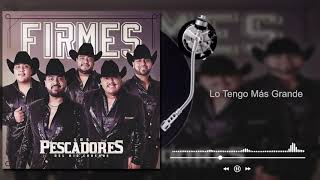
A Donde Fue El Amor Lyrics in English by Los Pescadores del Rio Conchos
Agonía translates directly to "agony" in English. It's a strong, evocative word that conveys intense suffering or distress.
In "A Donde Fue El Amor," the lyrics repeatedly mention "mi corazón quedarte en agonía" (my heart remaining in agony). This powerful imagery emphasizes the deep pain and heartbreak the singer feels over lost love, making it a memorable and emotionally charged word within the song.
Have you ever regretted something so much that you wished you could turn back time? Los Pescadores del Rio Conchos sing about that exact feeling in "A Donde Fue El Amor." The singer is looking back at a lost love, realizing too late what they had. They admit, "nunca me di cuenta lo que sucedió" [I never realized what happened] and "nunca imaginó que me faltaría" [I never imagined I would miss you]. It's a really honest look at how we sometimes don't appreciate what we have until it's gone.
The song is filled with regret, as the singer asks, "a donde fue el amor porque jamás volvió" [where did the love go because it never came back?] and "hoy me arrepiento de dañar aquel amor que ya perdí" [today I regret damaging that love I already lost]. They even wish they could "regresar el tiempo atrás bajar el cielo para ti" [go back in time, bring down the sky for you] just to prove "que tú eres todo para mí" [that you are everything to me]. It's a powerful and emotional song about the pain of realizing your mistakes in love and wishing for a second chance.