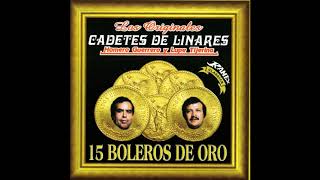
Paso Del Norte Lyrics in English by Los Cadetes De Linares
Ausente means "absent" or "away." It's a poignant word that captures a deep sense of longing and separation, which is central to the song's theme.
In "Paso Del Norte," the lyrics describe the sadness of a man who is far from his homeland and family. The word ausente perfectly encapsulates his emotional state of being physically distant and feeling the absence of his loved ones, making it a powerful and relatable term for anyone who has experienced being away from home.
This song feels like a long, homesick sigh. In “Paso Del Norte,” the singer is far from home and you can hear how heavy that distance feels. Right away he admits “Qué triste se encuentra el hombre cuando anda ausente” [“How sad a man feels when he is away”]. He is not talking in a fancy way; he just says it straight. Being far from his homeland hurts, and what hurts the most is thinking of his parents: “Mayormente si se acuerda de esos padres” [“Especially when he remembers his parents”]. It is that simple and that painful.
The place in the title, “Paso del norte” [“Pass of the North”], feels like a border or crossing that is pulling him away from everything he loves. He keeps repeating how far things are getting: “Qué lejos te vas quedando” [“How far you are staying behind”], and “De mí se están alejando mis padres y mis hermanos” [“My parents and my siblings are getting far from me”]. It sounds like he is watching his whole life disappear behind him as he moves forward. When he says “Ay, qué destino, para sentarme a llorar” [“Oh, what a fate, to sit down and cry”], it is almost bitter and tired at the same time, like he is blaming his fate for putting him on this road where all he can do is miss his family and let the sadness come out.