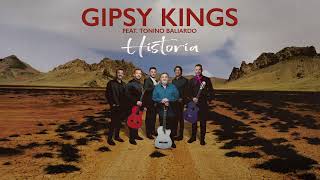
Primavera Lyrics in English by Gipsy Kings, Tonino Baliardo
Primavera literally translates to "spring," referring to the season. It's a beautiful and evocative word that immediately brings to mind images of renewal and beauty.
In the context of the song, the Gipsy Kings use "primavera" to symbolize a time of idyllic beauty and joy in their childhood memories. They recall a past where "la vida era más dulce, más bella" (life was sweeter, more beautiful), directly associating this golden age with the season of spring. This makes the word central to the song's nostalgic and romantic theme.
The whole song is one memory of one place. "Yo me recuerdo del tiempo pasado" (I remember the past) and "En este barrio donde yo nací" (in this neighborhood where I was born) set it up, and everything after that is a comparison with now: "La vida era más dulce, más bella" (life was sweeter, more beautiful), "La agua del río era más clara" (the river water was clearer), all of it under "Con este cielo azul y eterno" (with this eternal blue sky). Nothing is ever named as lost. The verbs are just in the imperfect, which is the Spanish tense for how things used to be.
The second verse moves to a window. "De mi ventana miré a un río" (from my window I looked at a river), and then "Los pescadores se enamoraron" (the fishermen fell in love) "De la belleza de esa agua clara" (with the beauty of that clear water). The line that follows twice, "Ella parecía una pintura" (she looked like a painting), most naturally points at the water or its beauty rather than at a person. The refrain is "La primavera, la primavera" (spring, spring) and "Los pajaritos que me cantaban" (the little birds that sang to me), and "lelé" is left as it is sung, a flamenco vocable with nothing in it to translate. Tonino Baliardo has the first twenty seconds to himself and takes two long solos in the middle, so under half of the three minutes carries any singing at all.