Learn Finnish with Metal Music with these 23 Song Recommendations (Full Translations Included!)
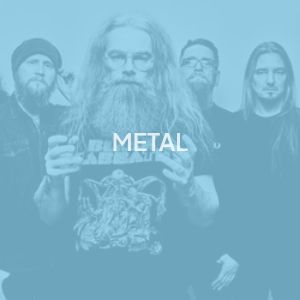
Get ready for a powerful and emotional journey with Marco Hietala's "Isäni Ääni," which translates to "My Father's Voice." This song is a beautiful tribute to the lasting impact a father has on his child, an influence that echoes through time like a powerful melody. The singer remembers his father not just as a person, but as a voice of integrity and goodness that he has inherited and now carries with him. It's a legacy he feels compelled to pass on to his own son, creating a chain of memory and character that stretches back to ancient ancestors.
The song paints a picture of a legacy that is stronger than death itself. Even though his father is gone, his voice and his values continue to guide and comfort the singer. Hietala uses cosmic imagery, suggesting we are not just flesh and bone but made of "the ash of stars." This powerful idea connects the family's legacy to the universe itself, turning their lifeblood into a song that fills their veins. It’s a profound celebration of family, memory, and the timeless song that connects one generation to the next.
Get ready for a wild trip around the world with the Finnish folk metal band Korpiklaani! "Tequila" is a high-energy anthem about the joys of being a traveling musician. The song tells the story of a wanderer who journeys to unknown lands, playing music for new people and drinking to quench a thirst for life.
Their path takes them on an exciting adventure through Latin America, from Mexico where "life is tequila" to Brazil where "life is caipirinha." It's a celebration of living in the moment, partying without a care for tomorrow, and soaking up different cultures. So, grab your passport and get ready to sing along to this fun, carefree song about travel and good times!
Have you ever felt like a little voice inside your head, or maybe someone in your life, is always telling you that you can't do something? That's the powerful idea behind this song by the Finnish band Mokoma. The title, "Syyttävä Sormi," translates to "The Pointing Finger" or "The Accusing Finger." It's a perfect image for that feeling of being constantly judged and criticized.
The song tells a story of transformation. At first, the singer desperately wants to live a full life, to love, trust, and feel everything. But a critical voice keeps putting them down, saying they're not good enough. For a while, the singer believes it. But then, something amazing happens. With a symbolic "Riks Raks" (the sound of something snapping), they break the pointing finger! The song's chorus changes from "I want to live" to the much stronger "I will live." It's an anthem about silencing your inner critic, overcoming self-doubt, and making the powerful decision to live without fear.
Piosenka „Syyttävä Sormi” to prawdziwa petarda! Opowiada o wewnętrznej walce, którą chyba każdy z nas zna. Zaczyna się od pragnienia życia pełnią, kochania, ufania i czucia wszystkimi zmysłami: „Tahdon rakastaa / Tahdon elää / Tahdon luottaa / Tahdon elää / Tahdon tuntea / Tahdon elää / Iholla, mielellä, kielellä elää” [Chcę kochać / Chcę żyć / Chcę ufać / Chcę żyć / Chcę czuć / Chcę żyć / Skórą, umysłem, językiem żyć]. To takie piękne i intensywne!
Ale nagle pojawia się ten „Ty”, który podcina skrzydła, mówiąc: „Sinä sanot etten osaa / Sinä sanot etten pysty / Sinä sanot etten tiedä / Ettei kukaan minua siedä” [Mówisz, że nie umiem / Mówisz, że nie potrafię / Mówisz, że nie wiem / Że nikt mnie nie zniesie]. To uczucie, kiedy ktoś sprawia, że wątpisz w siebie, jest tutaj tak mocno oddane. Na szczęście, w pewnym momencie następuje przełom. Podmiot liryczny mówi: „Syyttävä sormi poikki / Riks Raks” [Oskarżający palec precz / Riks Raks] – to jest moment, w którym decyduje się odciąć od negatywnych wpływów i zacząć żyć po swojemu. Koniec z lękiem, koniec z wątpliwościami. Po prostu chce żyć! To naprawdę inspirujące!
Piesa „Syyttävä Sormi” de Mokoma este o explorare puternică a luptei interioare pentru a te elibera de îndoială și de criticile celorlalți. Versurile ne arată o persoană care își dorește din tot sufletul să trăiască, să iubească și să simtă din plin: „Tahdon rakastaa / Tahdon elää / Tahdon luottaa / Tahdon elää / Tahdon tuntea / Tahdon elää” (Vreau să iubesc / Vreau să trăiesc / Vreau să am încredere / Vreau să trăiesc / Vreau să simt / Vreau să trăiesc). Este o dorință intensă de a experimenta viața cu fiecare parte a ființei sale, „Iholla, mielellä, kielellä elää / Joka solullani tahdon elää / Syvällä sisällä tahdon elää” (Cu pielea, mintea, limba să trăiesc / Cu fiecare celulă a mea vreau să trăiesc / Adânc în mine vreau să trăiesc).
Dar, în ciuda acestei dorințe puternice, există o voce externă, sau poate o voce interioară internalizată, care o subminează constant. Versurile „Sinä sanot etten osaa / Sinä sanot etten pysty / Sinä sanot etten tiedä / Ettei kukaan minua siedä” (Tu spui că nu știu / Tu spui că nu pot / Tu spui că nu știu / Că nimeni nu mă suportă) arată cum aceste critici o fac pe persoană să creadă că este mică și lipsită de valoare. Momentul de cotitură vine când decide să rupă acest „Syyttävä sormi poikki / Riks Raks” (Degetul acuzator rupt / Riks Raks). Este o declarație de independență, o decizie de a nu mai lăsa pe nimeni să-i dicteze valoarea. Spre final, se transformă dintr-o dorință pasivă („Tahdon elää” – Vreau să trăiesc) într-o acțiune hotărâtă („Aion rakastaa, aion elää” – Voi iubi, voi trăi), arătând o nouă încredere și hotărâre de a-și trăi viața pe deplin, fără frică.
Mokoma'dan "Syyttävä Sormi" [Suçlayan Parmak] şarkısı, birinin kendi potansiyelini keşfetme ve hayata dört elle sarılma arzusunu anlatıyor. Şarkı, başkalarının olumsuz sözlerine rağmen kişinin kendini bulma yolculuğuna odaklanıyor. Şarkının başında, "Tahdon rakastaa, Tahdon elää, Tahdon luottaa, Tahdon tuntea" [Sevmek istiyorum, Yaşamak istiyorum, Güvenmek istiyorum, Hissetmek istiyorum] gibi güçlü ifadelerle hayatın tüm yönlerini deneyimleme isteği vurgulanıyor. Bu, her hücreyle, tüm benliğiyle yaşama arzusunu gösteriyor.
Ancak bu arzu, dışarıdan gelen eleştirilerle sekteye uğruyor. "Sinä sanot etten osaa, Sinä sanot etten pysty" [Sen yapamayacağımı söylüyorsun, Sen başaramayacağımı söylüyorsun] gibi dizeler, başkalarının yargılayıcı tutumunu ortaya koyuyor. Bu sözler, kişinin kendine olan inancını sarsıyor ve "Uskon jokaikisen sanan" [Her kelimeye inanıyorum] diyerek bu olumsuzluğa kapıldığını gösteriyor. Ama şarkının sonunda bir dönüşüm yaşanıyor: "Syyttävä sormi poikki" [Suçlayan parmak kopsun] diyerek bu eleştirilere bir son veriliyor. Artık "Aion rakastaa, aion elää" [Seveceğim, yaşayacağım] diyerek kendi yolunu çizmeye karar veriyor. Bu şarkı, başkalarının ne dediğine kulak asmadan, kendi hayatını dolu dolu yaşama cesaretini bulmanın bir marşı gibi!
U pesmi „Syyttävä Sormi“ (u prevodu „Optužujući prst“) finski bend Mokoma donosi snažnu poruku o samopouzdanju i oslobađanju od tuđih očekivanja. Kroz stihove, protagonista nam otkriva duboku želju za životom, ljubavlju i poverenjem: „Tahdon rakastaa, Tahdon elää, Tahdon luottaa, Tahdon elää“ (Želim da volim, želim da živim, želim da verujem, želim da živim). Želi da oseti život „Iholla, mielellä, kielellä elää“ (Kožom, umom, jezikom da živi), svim svojim bićem, čak i kroz strah: „Tahdoin pelätä tahdoin elää“ (Hteo sam da se plašim, hteo sam da živim).
Međutim, ova želja je sputana glasom „tebe“ – kritičara koji govori: „Sinä sanot etten osaa, Sinä sanot etten pysty“ (Ti kažeš da ne umem, ti kažeš da ne mogu). Taj glas sumnje, podsmeha i omalovažavanja, koji tvrdi da „minulta puuttuu se jokin“ (meni nešto nedostaje), protagonista je dugo slušao i verovao mu. Preokret nastaje kada shvata da je „Syyttävä sormi poikki“ (Optužujući prst slomljen). To je trenutak osvešćenja i odluke da preuzme kontrolu nad sopstvenim životom. Sada, umesto da samo želi, on počinje da živi, voli i veruje: „Aion rakastaa, aion elää, Aion luottaa, aion elää“ (Ja ću voleti, ja ću živeti, ja ću verovati, ja ću živeti). Više se ne plaši, već želi da živi punim plućima. Prava himna za sve nas koji se borimo sa unutrašnjim ili spoljašnjim kritičarima!
Questa canzone dei Mokoma, "Syyttävä Sormi", è un vero inno alla vita e alla liberazione dalle critiche altrui! Il testo inizia con una serie di desideri potenti e vitali: "Tahdon rakastaa, Tahdon elää, Tahdon luottaa, Tahdon tuntea" [Voglio amare, Voglio vivere, Voglio fidarmi, Voglio sentire]. È un desiderio di vivere pienamente, con ogni fibra del proprio essere, "Iholla, mielellä, kielellä elää" [Vivere con la pelle, la mente, la lingua], e anche di affrontare le emozioni più intense, come la paura, "Tahdoin pelätä tahdoin elää" [Volevo avere paura, volevo vivere].
Ma poi arriva la svolta: c'è una "Sinä" [Tu] che critica, che dice "etten osaa, etten pysty, etten tiedä" [che non so, che non posso, che non so]. Questa voce esterna cerca di minare la fiducia in sé stessi, dicendo "Sanot että minulta puuttuu se jokin" [Dici che mi manca qualcosa]. La parte più toccante è quando il narratore ammette: "Sanot naurat minä toki uskon" [Dici, ridi, io ci credo davvero]. Ma alla fine, c'è una ribellione liberatoria! Il dito accusatore viene spezzato, "Syyttävä sormi poikki" [Il dito accusatore si spezza], e il narratore dichiara con forza: "Aion rakastaa, aion elää, Aion luottaa, aion elää" [Amerò, vivrò, Mi fiderò, vivrò]. È un messaggio potentissimo per chiunque si senta frenato dalle aspettative o dai giudizi degli altri. È un invito a riprendere in mano la propria vita e a viverla con coraggio e autenticità!
Wat een nummer, dit "Syyttävä Sormi" van Mokoma! Het begint met een krachtige drang om te leven en te voelen: "Tahdon rakastaa / Tahdon elää / Tahdon luottaa / Tahdon elää" [Ik wil liefhebben / Ik wil leven / Ik wil vertrouwen / Ik wil leven]. De zanger wil met elke vezel van zijn wezen leven, diep vanbinnen en met al zijn zintuigen. Hij wilde zelfs bijna stikken van verlangen om te leven, en wilde zelfs bang zijn, zolang hij maar leefde.
Maar dan komt de keerzijde: er is iemand die hem constant naar beneden haalt. "Sinä sanot etten osaa / Sinä sanot etten pysty" [Jij zegt dat ik het niet kan / Jij zegt dat ik het niet kan]. Deze persoon zegt dat niemand hem verdraagt, dat hij iets mist, en lacht hem uit. Het meest trieste is dat de zanger het gelooft: "Sanot naurat minä toki uskon" [Jij zegt, jij lacht, ik geloof het natuurlijk]. Hij voelt zich klein en onbeduidend door deze woorden. Maar dan, BAM! De ommekeer: "Syyttävä sormi poikki / Riks Raks" [De beschuldigende vinger eraf / KRAK KRAK]. Hij besluit het heft in eigen handen te nemen. Hij zal liefhebben, leven, vertrouwen en voelen. Geen angst meer, alleen maar leven. Echt een inspirerend nummer over het doorbreken van negatieve invloeden!
Mokoma, finski metal bend, nam s pesmijo "Syyttävä Sormi" [Obtožujoči prst] predstavi močno sporočilo o samopotrditvi in premagovanju negativnih vplivov. Besedilo se začne z globoko željo po življenju in doživljanju vsega, kar življenje ponuja: "Tahdon rakastaa, tahdon elää, tahdon luottaa, tahdon elää, tahdon tuntea, tahdon elää" [Hočem ljubiti, hočem živeti, hočem zaupati, hočem živeti, hočem čutiti, hočem živeti]. Poudarek je na želji po popolnem življenju, z vsako celico in globoko v sebi.
Vendar pa se ta želja sooči z zunanjimi glasovi, ki podrejajo in dvomijo: "Sinä sanot etten osaa, sinä sanot etten pysty, sinä sanot etten tiedä" [Ti praviš, da ne znam, ti praviš, da ne zmorem, ti praviš, da ne vem]. Ti glasovi so tako močni, da jim pripovedovalec sprva verjame: "Sanot naurat minä toki uskon" [Praviš, smejiš se, jaz pa seveda verjamem]. Vendar pa pride do preobrata, ko se pripovedovalec odloči prekiniti ta krog negativnosti: "Syyttävä sormi poikki! Riks Raks!" [Obtožujoči prst stran! Riks Raks!]. To je odločen in skoraj nasilen prelom s preteklostjo, ki vodi v novo poglavje, kjer prevzame nadzor nad lastnim življenjem: "Aion rakastaa, aion elää, aion luottaa, aion elää" [Jaz bom ljubil, jaz bom živel, jaz bom zaupal, jaz bom živel]. Pesem se konča z optimistično noto, saj pripovedovalec ne bo več prestrašen ali preobremenjen, ampak bo preprosto živel.
Mokomas „Syyttävä Sormi“ ist ein richtiger Energieschub! Das Lied fängt ein Gefühl ein, das wir alle kennen: Man will etwas tun, man will leben, lieben und fühlen, aber da ist immer jemand, der sagt: „Sinä sanot etten osaa“ [Du sagst, ich kann es nicht], „Sinä sanot etten pysty“ [Du sagst, ich schaffe es nicht]. Es geht darum, wie diese negativen Stimmen von außen – oder sogar im eigenen Kopf – uns kleinreden und uns glauben lassen, wir seien nicht genug.
Aber das Lied nimmt eine super Wendung! Am Anfang heißt es noch „minä toki uskon“ [ich glaube es natürlich], aber dann kommt der Bruch: „Syyttävä sormi poikki! Riks Raks!“ [Der anklagende Finger ist ab! Riks Raks!]. Das ist so eine starke Metapher dafür, sich von diesen negativen Einflüssen zu befreien. Der Sänger entscheidet sich ganz bewusst dafür, zu leben, zu lieben und zu vertrauen, und zwar mit jeder Faser seines Seins: „Joka solullani, alan elää“ [Mit jeder meiner Zellen fange ich an zu leben]. Es ist eine Hymne an die Selbstbestimmung und daran, sein eigenes Leben in die Hand zu nehmen, egal was andere sagen. Einfach großartig!
Το "Syyttävä Sormi" των Mokoma είναι ένα τραγούδι που σε παρασύρει σε μια ιστορία αυτοανακάλυψης και απελευθέρωσης. Ξεκινάει με μια έντονη επιθυμία για ζωή και όλα όσα αυτή συνεπάγεται: "Tahdon rakastaa, Tahdon elää, Tahdon luottaa, Tahdon tuntea" [Θέλω να αγαπήσω, Θέλω να ζήσω, Θέλω να εμπιστευτώ, Θέλω να νιώσω]. Ο πρωταγωνιστής θέλει να ζήσει με κάθε κύτταρο του, βαθιά μέσα του, ακόμα και να νιώσει τον φόβο, να πνιγεί στα συναισθήματα.
Όμως, υπάρχει ένα εμπόδιο: κάποιος άλλος. Αυτός ο κάποιος συνεχώς υπονομεύει τον πρωταγωνιστή, λέγοντάς του ότι δεν μπορεί, δεν ξέρει, δεν είναι αρκετός: "Sinä sanot etten osaa, Sinä sanot etten pysty, Sinä sanot etten tiedä, Ettei kukaan minua siedä" [Εσύ λες ότι δεν ξέρω, Εσύ λες ότι δεν μπορώ, Εσύ λες ότι δεν ξέρω, Ότι κανείς δεν με ανέχεται]. Αυτές οι λέξεις έχουν βαθύ αντίκτυπο, κάνοντας τον πρωταγωνιστή να πιστεύει ότι είναι ασήμαντος. Το τραγούδι κορυφώνεται με μια στιγμή απελευθέρωσης, όπου ο πρωταγωνιστής αποφασίζει να σπάσει αυτό το "Syyttävä sormi poikki" [Το δάχτυλο που κατηγορεί σπάει]. Είναι μια δυνατή δήλωση ανεξαρτησίας, μια απόφαση να ζήσει, να αγαπήσει και να εμπιστευτεί, αυτή τη φορά χωρίς φόβο και χωρίς να πνίγεται από τις προσδοκίες των άλλων.
Mokoma lugu "Syyttävä Sormi" räägib sisemisest võitlusest ja eneseleidmisest. See algab sooviga elada täiel rinnal, tunda ja armastada: "Tahdon rakastaa / Tahdon elää" [Ma tahan armastada / Ma tahan elada]. Laulusõnad kirjeldavad soovi kogeda elu iga keharakuga: "Iholla, mielellä, kielellä elää / Joka solullani tahdon elää" [Nahal, meelel, keelel elada / Iga oma rakuga tahan elada].
Kuid see soov põrkub kellegi teise kriitikaga, kes pidevalt kahtleb laulja võimetes ja väärtuses. Read nagu "Sinä sanot etten osaa / Sinä sanot etten pysty" [Sa ütled, et ma ei oska / Sa ütled, et ma ei suuda] näitavad, kuidas väline negatiivsus võib enesekindlust õõnestada. Lõpuks aga toimub murdepunkt, kus laulja otsustab need süüdistavad sõrmed murda: "Syyttävä sormi poikki / Riks Raks" [Süüdistav sõrm katki / Riks Raks]. See on võimas hetk, mis tähistab vabanemist ja uut algust, kus ta ise otsustab oma elu elada: "Aion rakastaa, aion elää" [Ma hakkan armastama, ma hakkan elama]. See on lugu sellest, kuidas leida oma sisemine jõud ja elada oma elu, hoolimata teiste arvamustest.
Приготовьтесь к песне, которая заставит вас задуматься о самооценке и влиянии окружающих! "Syyttävä Sormi" от Mokoma — это мощный гимн о желании жить полной жизнью, несмотря на критику и сомнения, которые навязывают другие. Лирика начинается с утверждения глубокого стремления к жизни: "Tahdon rakastaa, Tahdon elää, Tahdon luottaa, Tahdon elää" [Я хочу любить, я хочу жить, я хочу доверять, я хочу жить]. Герой хочет чувствовать всем своим существом: "Iholla, mielellä, kielellä elää, Joka solullani tahdon elää" [Кожей, разумом, языком жить, Каждой своей клеткой я хочу жить].
Но затем врывается внешний голос, который постоянно подрывает эту жажду жизни. "Sinä sanot etten osaa, Sinä sanot etten pysty" [Ты говоришь, что я не умею, Ты говоришь, что я не могу] — эти строки показывают, как слова других могут заставить усомниться в себе. Герой верит каждому слову, даже самому незначительному, что приводит к ощущению собственной ничтожности: "Vähäisin, se olen, sen ymmärsin" [Я ничтожен, я это понял]. Но в конце происходит переломный момент! "Syyttävä sormi poikki! Riks Raks!" [Обвинительный палец прочь! Рикс Ракс!] — это такой решительный и даже немного агрессивный отказ от чужого мнения. Песня заканчивается триумфальным возвращением к жизни, но уже с новой силой: "Aion rakastaa, aion elää, Aion luottaa, aion elää" [Я буду любить, я буду жить, Я буду доверять, я буду жить]. Это не просто желание, это твердое намерение!
Priprav sa na poriadnu dávku sebareflexie a prekonávania prekážok! Fínska kapela Mokoma ti v piesni „Syyttävä Sormi“ (Obviňujúci prst) ukáže, ako sa vysporiadať s vnútornými pochybnosťami a kritikou okolia. Je to taká hymna pre všetkých, ktorí sa cítia byť neustále súdení a podceňovaní.
Text piesne začína túžbou po živote, láske a dôvere: „Tahdon rakastaa, Tahdon elää, Tahdon luottaa, Tahdon elää“ (Chcem milovať, Chcem žiť, Chcem veriť, Chcem žiť). Ale potom prichádza tá nepríjemná časť, keď ti niekto hovorí, že nie si dosť dobrý: „Sinä sanot etten osaa, Sinä sanot etten pysty“ (Ty hovoríš, že neviem, Ty hovoríš, že nedokážem). A čo je najhoršie, tomu obviňujúcemu hlasu, či už zvnútra alebo zvonka, aj veríš: „Sanot naurat minä toki uskon“ (Hovoríš, smeješ sa, ja samozrejme verím). Ale neboj sa, pieseň má silný zvrat! Prichádza moment, keď si povieš dosť a ten „obviňujúci prst“ zlomíš: „Syyttävä sormi poikki! Riks Raks“ (Obviňujúci prst preč! Riks Raks). A potom už len čistá radosť zo života: „Aion rakastaa, aion elää, Aion luottaa, aion elää“ (Budem milovať, budem žiť, Budem veriť, budem žiť). Je to skvelá pripomienka, že máš žiť naplno a nenechať sa nikým obmedzovať!
Dziesma "Syyttävä Sormi" [Apsūdzošais pirksts] ir par iekšējo cīņu un atbrīvošanos no citu cilvēku negatīvās ietekmes. Sākumā dziesmas varonis izsaka spēcīgu vēlmi dzīvot pilnvērtīgi: "Tahdon rakastaa, tahdon elää, tahdon luottaa, tahdon tuntea" [Es gribu mīlēt, es gribu dzīvot, es gribu uzticēties, es gribu just]. Viņš vēlas piedzīvot dzīvi ar katru savu šūnu, "iholla, mielellä, kielellä elää" [ar ādu, prātu, valodu dzīvot].
Tomēr šo vēlmi apslāpē kāds cits, kurš nemitīgi kritizē un šausta: "Sinä sanot etten osaa, sinä sanot etten pysty, sinä sanot etten tiedä" [Tu saki, ka es nemāku, tu saki, ka es nespēju, tu saki, ka es nezinu]. Šie vārdi liek dziesmas varonim justies mazvērtīgam, "vähäisin, se olen, sen ymmärsin" [vismazākais, tas esmu es, to es sapratu]. Bet dziesmas beigās notiek pagrieziena punkts – viņš nolemj pārtraukt šo negatīvo ietekmi, "Syyttävä sormi poikki! Riks Raks!" [Apsūdzošais pirksts nost! Riks Raks!]. Tas ir spēcīgs paziņojums par atbrīvošanos un apņemšanos dzīvot savu dzīvi bez bailēm un citu nosodījuma: "Aion rakastaa, aion elää, aion luottaa, aion tuntea" [Es mīlēšu, es dzīvošu, es uzticēšos, es jutīšu].
Привіт! Ця пісня Mokoma, «Syyttävä Sormi» («Палець, що звинувачує»), справді чіпляє. Вона про те, як хтось намагається жити на повну, кохати, довіряти, відчувати «Iholla, mielellä, kielellä elää» (жити шкірою, розумом, мовою), але постійно стикається з критикою.
Герой пісні чує: «Sinä sanot etten osaa» (Ти кажеш, що я не вмію), «Sinä sanot etten pysty» (Ти кажеш, що я не можу), і навіть «Sanot että minulta puuttuu se jokin» (Ти кажеш, що мені чогось бракує). Це змушує його вірити в ці слова, відчувати себе «vähäisin» (найменшим). Але потім відбувається перелом! Він вирішує: «Syyttävä sormi poikki» (Палець, що звинувачує, зламаний) і заявляє: «Aion rakastaa, aion elää» (Я буду кохати, я буду жити). Це така потужна заява про те, що потрібно відкинути чужі сумніви і просто бути собою. Мені подобається, як пісня переходить від відчаю до рішучості.
¡Prepárate para una inyección de pura determinación con "Syyttävä Sormi" de Mokoma! Esta canción es un himno a la autoafirmación, donde el narrador anhela vivir plenamente: "Tahdon rakastaa, Tahdon elää, Tahdon luottaa, Tahdon elää" [Quiero amar, Quiero vivir, Quiero confiar, Quiero vivir]. Quiere sentirlo todo, con cada fibra de su ser: "Iholla, mielellä, kielellä elää, Joka solullani tahdon elää" [Vivir con la piel, la mente, la lengua, Quiero vivir con cada célula mía].
Pero hay una voz, una figura acusadora que constantemente lo frena, diciéndole: "Sinä sanot etten osaa, Sinä sanot etten pysty" [Tú dices que no puedo, Tú dices que no soy capaz]. Esta voz le hace dudar de sí mismo, hasta el punto de creer que "Vähäisin, se olen, sen ymmärsin" [Soy el más insignificante, eso entendí]. Pero la canción da un giro poderoso. El narrador decide romper con esa influencia negativa: "Syyttävä sormi poikki! Riks Raks!" [¡El dedo acusador roto! ¡Crack, crack!]. Es un momento de liberación, donde decide tomar las riendas de su vida y, finalmente, "Aion rakastaa, aion elää" [Voy a amar, voy a vivir]. Es una canción que te inspira a silenciar a tus críticos internos y externos, y a vivir sin miedo.
Mokomas "Syyttävä Sormi" handlar om att bryta sig loss från andras negativa åsikter och hitta sin egen styrka. Låten börjar med en stark önskan att uppleva livet fullt ut: "Tahdon rakastaa, tahdon elää, tahdon luottaa, tahdon elää" [Jag vill älska, jag vill leva, jag vill lita på, jag vill leva].
Men den här önskan krockar med en yttre röst som ständigt tvivlar och kritiserar: "Sinä sanot etten osaa, sinä sanot etten pysty" [Du säger att jag inte kan, du säger att jag inte klarar det]. Det är en kamp mot den där "syyttävä sormi" [anklagande fingret] som pekar och dömer. Men i slutet sker en förändring! Istället för "Tahdon" [Jag vill] blir det "Aion" [Jag ska] – ett tydligt tecken på att sångaren bestämt sig för att ta kontroll över sitt eget liv och inte längre låta sig begränsas. Det är en riktigt peppande låt om att tro på sig själv!
Har du noen gang følt at noen prøver å holde deg tilbake? Mokomas «Syyttävä Sormi» handler om akkurat det, og hvordan man bryter seg fri! Sangen starter med et sterkt ønske om å leve fullt ut: «Tahdon rakastaa, tahdon elää, tahdon luottaa, tahdon elää» [Jeg vil elske, jeg vil leve, jeg vil stole på, jeg vil leve]. Artisten vil føle alt, med hele seg, og leve dypt inne i seg selv.
Men så kommer den anklagende stemmen, representert ved «Du». «Sinä sanot etten osaa, sinä sanot etten pysty» [Du sier at jeg ikke kan, du sier at jeg ikke klarer]. Denne stemmen prøver å overbevise artisten om at han mangler noe, at han ikke er god nok. Men så kommer vendepunktet! Artisten bestemmer seg for å kutte over den anklagende fingeren – «Syyttävä sormi poikki! Riks Raks!» [Den anklagende fingeren av! Riks Raks!] – og tar tilbake kontrollen over sitt eget liv. Han vil elske, leve, stole på og føle, uten frykt. Det er en skikkelig kraftfull sang om å finne sin egen styrke!
Тази песен на Mokoma, „Syyttävä Sormi“ (Обвиняващ пръст), е истински химн за себеоткриването и освобождението! Започва с едно силно желание за живот и любов: „Tahdon rakastaa, Tahdon elää, Tahdon luottaa, Tahdon elää“ (Искам да обичам, искам да живея, искам да се доверя, искам да живея). Лирическият герой копнее да чувства всичко – „Iholla, mielellä, kielellä elää“ (Да живея с кожата си, с ума си, с езика си), с всяка своя клетка, дълбоко в себе си. Дори изпитва желание да се задуши от емоции или да се страхува, но пак да живее.
Но някой постоянно го дърпа назад. „Sinä sanot etten osaa, Sinä sanot etten pysty“ (Ти казваш, че не мога, Ти казваш, че не съм способен). Този „ти“ постоянно подкопава увереността му, казва му да не прави това или онова, че му липсва „нещо“. И най-тъжното е, че героят вярва на тези думи: „Sanot naurat minä toki uskon“ (Казваш, смееш се, аз, разбира се, вярвам). Но идва обрат! В един момент той осъзнава, че е бил малък и незначителен заради тези думи. И тогава идва мощното решение: „Syyttävä sormi poikki! Riks Raks!“ (Обвиняващият пръст – счупен! Рикс Ракс!). Това е моментът на скъсване с негативното влияние. Песента завършва с ново начало, с решението да обича, да живее и да се доверява, без страх: „Aion rakastaa, aion elää... Enää en pelkää. Tahdon elää“ (Аз ще обичам, аз ще живея... Вече не се страхувам. Искам да живея). Това е песен за намирането на вътрешна сила и отхвърлянето на чуждите ограничения!
Ši Mokomos daina, „Syyttävä Sormi“ (Kaltinantis pirštas), yra tikras himnas tiems, kurie pavargo klausytis, kaip kiti jiems sako, ko jie negali ar neturėtų daryti. Pradžioje dainos jaučiame stiprų troškimą gyventi visavertį gyvenimą: „Tahdon rakastaa / Tahdon elää / Tahdon luottaa / Tahdon elää“ (Noriu mylėti / Noriu gyventi / Noriu pasitikėti / Noriu gyventi). Dainos lyrinis aš nori jausti viską – „Iholla, mielellä, kielellä elää / Joka solullani tahdon elää“ (Oda, protu, kalba gyventi / Kiekviena savo ląstele noriu gyventi). Tačiau šį troškimą nuolat slopina kažkas kitas, kuris sako: „Sinä sanot etten osaa / Sinä sanot etten pysty / Sinä sanot etten tiedä“ (Tu sakai, kad aš nemoku / Tu sakai, kad aš negaliu / Tu sakai, kad aš nežinau).
Bet dainos pabaigoje įvyksta lūžis! Po to, kai lyrinis aš prisipažįsta, kad tiki kiekvienu kritišku žodžiu – „Uskon jokaikisen sanan / Sen vähäisimmänkin“ (Tikiu kiekvienu žodžiu / Net menkiausiu) – ateina momentas, kai jis nusprendžia nutraukti tą kaltinantį pirštą: „Syyttävä sormi poikki / Riks Raks“ (Kaltinantis pirštas laužiamas / Riks Raks). Tai nuostabus, ryžtingas posūkis! Dainos pabaiga yra kupina naujos vilties ir ryžto: „Aion rakastaa, aion elää / Aion luottaa, aion elää“ (Aš mylėsiu, aš gyvensiu / Aš pasitikėsiu, aš gyvensiu). Tai daina apie išsivadavimą ir savo kelio atradimą, nepaisant kitų nuomonės.
Prepare-se para uma dose de autoafirmação com "Syyttävä Sormi" do Mokoma! Essa música é um grito de liberdade contra as vozes que nos dizem o que não podemos fazer. O eu lírico começa com uma lista de desejos intensos: "Tahdon rakastaa, Tahdon elää, Tahdon luottaa, Tahdon elää" [Eu quero amar, Eu quero viver, Eu quero confiar, Eu quero viver]. Ele quer sentir tudo, viver com cada parte do seu ser: "Iholla, mielellä, kielellä elää" [Na pele, na mente, na língua viver].
Mas aí vem a parte que muita gente vai se identificar: a voz crítica, ou o "dedo acusador" do título. Alguém vive dizendo: "Sinä sanot etten osaa, Sinä sanot etten pysty" [Você diz que eu não sei, Você diz que eu não consigo]. Essa voz tenta minar a confiança, fazendo o eu lírico acreditar que "Vähäisin, se olen, sen ymmärsin" [O menor, sou eu, eu entendi isso]. Mas a virada é poderosa! Ele decide cortar esse dedo acusador: "Syyttävä sormi poikki! Riks Raks!" [Dedo acusador cortado! Riks Raks!]. E a partir daí, a música se transforma em uma declaração de que ele vai viver, amar e confiar, sem medo. É uma mensagem super inspiradora sobre se libertar das amarras da crítica e abraçar a vida plenamente.