Learn Spanish With Natalia Lafourcade with these 23 Song Recommendations (Full Translations Included!)
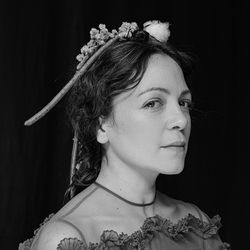
Natalia Lafourcade is a celebrated Mexican singer-songwriter and musician born in Mexico City in 1984. Known for her lyrical soprano voice, she masterfully blends genres such as pop rock, Latin folk, bossa nova, and jazz. Since her 2002 debut, Natalia has become one of Latin America's most influential artists, earning 18 Latin Grammy Awards and four Grammy Awards among other honors.
Raised in the artistic town of Coatepec, Veracruz, Natalia was surrounded by music from an early age, inspired by both Mexican legends and international icons like Fiona Apple and Björk. Her rich discography showcases heartfelt songwriting and innovative production, with notable albums including Mujer Divina, a tribute to Agustín Lara, and Hasta la Raíz, which garnered critical acclaim for its emotional depth and musical sophistication.
Mexican singer-songwriter Natalia Lafourcade turns memory into an actual physical anchor in "Hasta La Raíz" (Down to the Root). She tracks a trek across wild terrain, crossing rivers, walking through jungles, and pulling thorns from deep inside her chest. The imagery is rich with personal rituals: she burns sacred smoke (humo sagrado) to clear out old memories and watches for an image of someone in the cruel shape of a storm cloud (una nube gris). It is an honest look at how you can leave a place or a person behind without ever really losing their imprint on you.
The real punch arrives with the chorus: "Yo te llevo dentro, hasta la raíz" (I carry you inside, down to the root). She tells her rayo de luna (moonbeam) that no matter how much she grows, or how far she runs into sugar cane fields (un campo lleno de caña) behind a mountain, that presence stays stitched into her. She calls every second of uncertainty "la clave exacta de este tejido que ando cargando bajo la piel" (the exact key to this fabric that I carry under my skin). It is a gorgeous reminder that your roots grow with you, wherever you wander.
Mi Tierra Veracruzana is a joyful love letter to Natalia Lafourcade’s homeland, the tropical state of Veracruz in Mexico. Through delicious images of cafecito, sugar cane, bananas, and brightly painted skies, the singer paints a vivid portrait of the place that shaped her. Each chorus bursts with the desire to “volverte a ver” – to see her land again, to feel the sand between her toes, to dance barefoot to Son Jarocho rhythms, and to let the blue Gulf waters cradle her dreams.
Underneath the lively imagery lies a gentle nostalgia. Natalia is far from Veracruz, yet every day she dreams of its colors: lime-green hills, guava-pink sunsets, dragon-fruit reds, and deep-sea blues. The song blends that sweet homesickness with an irresistible groove, inviting listeners to taste the coffee, sway their hips, and fall in love with Veracruz right alongside her. In short, it is a celebration of roots, culture, and the comforting promise that home is always waiting with open arms and a steaming cup of café con pan.
Breakups usually get messy, but Mexican pop-rock artist Natalia Lafourcade takes a surprisingly gentle, honest route here. Instead of screaming or placing blame, she admits flat out that the relationship is over: "Esta historia terminó, no existe" ("This story ended, it doesn't exist"). She describes how everything they built together has simply vanished into thin air, carried away by the breeze ("Se lo lleva el viento" [The wind takes it away]). Yet, even though moving on sounds simple in theory, the memory lingers everywhere—she literally calls her ex "un fantasma conmigo caminando" ("a ghost walking with me").
What makes this track special is that there is zero bitterness. She reminds her former partner, "No creas que no valió la pena" ("Don't think it wasn't worth it"), insisting that she loved them with all her soul. She treats their shared past as an investment that simply ran its course, confessing bluntly: "Eras una apuesta de largo plazo" ("You were a long-term bet"). It hurts, but as she puts it, "aunque nos duele es sólo nuestro" ("even though it hurts us, it is only ours"). It is a song about accepting the end of a big love while still honoring every bit of what you made together.
Mexican singer Natalia Lafourcade teams up with Devendra Banhart for a breezy, infectious duet that lays all its romantic cards right on the table. The song kicks off with the ultimate gesture of honesty: "Poniendo la mano en el corazón" ("Putting my hand on my heart"). From there, the declarations get completely unapologetic and overwhelming. She tells her partner that they are her entire sky, her comfort, and that she literally breathes the same air they breathe: "Que respiro el aire que respiras tú" ("That I breathe the air that you breathe"). It is sweet, dramatic, and intensely devoted.
There is also a playful touch of fate tucked into the romance. Lafourcade repeats "no tienes remedio" ("you have no cure" / "you can't be helped"), teasing that this connection is so total that neither of them can escape it. By the time the chorus explodes with "Amor de mis amores" ("Love of all my loves") and calls the lover "Sangre de mi alma" ("Blood of my soul"), the track transforms a classic bolero sentiment into a bright pop-rock groove that makes overwhelming devotion sound effortless and fun.
If you have ever felt completely seen by someone, this track by Mexican artist Natalia Lafourcade and guitar duo Los Macorinos hits right at home. The title, "Tú Sí Sabes Quererme" ("You really know how to love me"), sets up the whole story: after a long wait, she has finally found a partner who accepts everything about her. She sings, "Me abrazaste con todos mis defectos" ("You hugged me with all my flaws"), celebrating a relationship that feels effortless and safe. There is a playful pride in how she views herself in this romance, calling herself "la flor encendida que da color al jardín de tu vida" ("the bright flower that gives color to the garden of your life").
What makes the song feel so honest is that she does not pretend her past vanished. She admits, "aquí me quedo con heridas bien abiertas" ("here I stay with wide-open wounds"). Loving someone new is scary when you carry old scars, but she decides to take the risk anyway, declaring "soy valiente en corresponderte" ("I am brave enough to love you back"). She tunes out external gossip with "Ya no me importa lo que piensan los demás" ("I no longer care what others think") and focuses entirely on holding onto a good love that actually treats her right.
Mexican singer-songwriter Natalia Lafourcade walks us through a garden of faded love in "De Todas Las Flores". Instead of a neat story, she gives us sensory flashes of a romance that slipped away. She sings about what remains after the fire goes out: "De todas las flores que sembramos / Sólo quedan unas encendidas" ("Of all the flowers we planted / Only a few stay lit"). The image of flowers "staying lit" like candles or embers is striking. Those few blossoms still wait for a lover who will never return to sing to them.
She looks back on specific memories, like wandering around drunk with no destination in Spain: "En las calles de Madrid borrachos fuimos sin un rumbo fijo" ("In the streets of Madrid we were drunk without a fixed direction"). The romance mixes sweet moments with sharp pain, which she directly compares to a thorny touch: "Como tu caricia, suave como espina" ("Like your caress, soft as a thorn"). In the end, the lush setting of "rosas buganvilias" ("bougainvillea roses") turns from a private paradise where the couple shared everything into the very place where they lost each other completely.
Mexican singer-songwriter Natalia Lafourcade turns a tiny hummingbird into a symbol for stepping out into the big world. She starts by coaxing it forward: Pajarito colibrí, no tengas miedo de salir (Little hummingbird, do not be afraid to go out). When life gets overwhelming, Lafourcade does not sugarcoat the fear. She talks about the physical feeling of panic when Dentro de tu pecho pierdas el aliento (Inside your chest you lose your breath) and you feel dizzy up in the air (sientes vértigo en el vuelo). Her remedy is simple: look up at the sky and ask for Dulce libertad (Sweet freedom).
She also offers practical, down-to-earth comfort for heartache. If you are crying yourself to sleep over a relationship (Si de amores andas sollozando, sin poder dormir), she tells you to Solo canta, quiebra la garganta (Just sing, break your throat)—which means to sing at the very top of your lungs until your voice cracks. The whole track feels like a warm hug from an older friend telling you that nature is on your side and repeating the core truth: Todo va a estar bien (Everything is going to be alright) because Tú llegaste al mundo para ser feliz (You arrived in the world to be happy).
This beautiful song by Mexican artist Natalia Lafourcade feels like a conversation with the ocean itself. The singer is moving on from something in her past, enjoying a “dulce adiós” (sweet goodbye) and greeting her present moment. She finds signs of a new person or a new beginning in the sounds of the sea, like in the line “Por un canto de gaviotas / Supe que allí estabas tú” (Because of a song of seagulls / I knew you were there).
But at the heart of the song is a deep feeling of solitude. Instead of running from it, she embraces it. She asks the sea to sing to her, specifically “Un bolero de soledad” (a bolero of loneliness), a slow, romantic song for her solitary state. She says she walks “sola, con soledad” (alone, with loneliness), treating her solitude as a companion. The song ends by simply naming its two main characters: “Soledad y el mar” (Loneliness and the sea).
Ever felt like you got so busy that you completely ghosted yourself? Mexican singer-songwriter Natalia Lafourcade opens "El Lugar Correcto" by offering a graceful apology for disappearing, explaining: "Tenía una cita que atender conmigo misma" ("I had a date to attend with myself"). She realizes she had forgotten how to look in the mirror and face her own reflection. Between crying while dancing through old hurts and tending to a neglected, drying houseplant, she takes a trip back to her roots in Veracruz (a coastal state in Mexico) to keep her quiet, overgrown garden company.
After retreating into that healing silence, Natalia figures out that peace comes from noticing basic truths like sunsets and the simple act of breathing. By the time the track glides into its bilingual climax, shifting into French with "Le lieu parfait est maintenant" ("The perfect place is now"), the message is crystal clear: "El lugar correcto es el ahora, no hace falta más" ("The right place is right now, nothing else is needed"). You do not need to run anywhere else to find yourself; being present in this exact moment is plenty.
Znasz to uczucie, kiedy związek się rozpada, a ty wciąż masz wrażenie, że twój były partner łazi za tobą krok w krok? Meksykańska artystka Natalia Lafourcade w pop-rockowym utworze Lo Que Construimos trafia w samo sedno tego stanu, rzucając wprost: pero eres un fantasma conmigo caminando („ale jesteś duchem idącym obok mnie”). Zamiast rzucać talerzami, Natalia rozlicza się z końcem miłości spokojnie, bezpretensjonalnie i z wielką klasą. Przyznaje bez owijania w bawełnę, że ten ktoś był dla niej planem na całe życie: eras una apuesta de largo plazo („byłeś zakładem długoterminowym”). A jednak to, co budowali latami, po prostu rozwiewa powietrze: se lo lleva el viento („zabiera to wiatr”).
Najbardziej podoba mi się tu brak żalu i zgorzknienia. Zamiast udawać, że nic się nie stało, piosenka przynosi szczere podsumowanie: no creas que no valió la pena („nie myśl, że nie było warto”). Natalia nie próbuje umniejszać przeszłości, bo w tekście pada piękne zdanie o bólu: esto que nos duele, aunque nos duele es sólo nuestro („to, co nas boli, choć boli, należy tylko do nas”). Cała magia tkwi w hiszpańskim czasowniku construir (budować). Przez powtarzany refren lo que construimos se acabó („to, co zbudowaliśmy, skończyło się”) utwór brzmi jak ciche, godne pożegnanie ruin, które kiedyś były wspólnym domem.
Mexican singer-songwriter Natalia Lafourcade hits you right in the chest with "Nunca Es Suficiente", a pop rock track that exposes the messy pain of giving total devotion to someone who treats love like a casual pastime. Right from the opening hook, she admits her bottomless craving: "Nunca es suficiente para mí / Porque siempre quiero más de ti" [It's never enough for me / Because I always want more of you]. Her devotion is massive and unconditional, but the person she loves is so used to receiving affection ("Acostumbrado estás tanto al amor" [You are so accustomed to love]) that they take it completely for granted. Even worse, she admits that she still wants them close despite knowing the harm it causes: "Aunque me haces mal te quiero aquí" [Even though you hurt me, I want you here].
The real sting comes in the chorus, where she calls out their habit of chasing empty flings. She describes them running off and "jugando a enamorar / Todas las ilusiones vagabundas que se dejan alcanzar" [playing at making people fall in love / With all the wandering daydreams that let themselves be caught]. Here, "ilusiones vagabundas" refers to fleeting, aimless romantic fantasies or casual partners who drift along without real commitment. Meanwhile, her heart is on the verge of breaking into a thousand pieces ("¿Cómo evitar que se fracture en mil?" [How to keep it from fracturing into a thousand pieces?]). By the end, she delivers a cool, devastating promise: because of all the tears they caused, this flighty partner will eventually fade away into nothing more than a lost memory ("Te perderás dentro de mis recuerdos" [You will get lost inside my memories]).
Recuérdame (Remember Me) is a tender farewell wrapped in a waltzing Mexican lullaby. Natalia Lafourcade and Carlos Rivera sing from the point of view of someone who must leave—perhaps to work, migrate, or chase a dream—yet pledges that distance will never silence love. Each Recuérdame is both a plea and a promise: Keep me in your heart, and I will always be near.
The song’s heartbeat is music itself. The singers trust that their shared melody will keep emotions alive, even when miles apart: “Que nuestra canción no deje de latir” (May our song never stop beating). A “crying” guitar, dreams of return, and the image of love as the oxygen they need turn this simple goodbye into a powerful reminder that memories, songs, and affection can bridge any separation. Listen closely, and you will feel the embrace of someone who refuses to let distance win.
Mexican singer Natalia Lafourcade steps into the legendary folk song "La Llorona," turning it into a dramatic conversation with the famous weeping ghost. Instead of running away from her in terror, the speaker pleads with this shadowy figure, pouring out heartaches so heavy that even an iron crucifix wept upon hearing them: "A un Santo Cristo de fierro llorona / Mis penas le conté yo... Que el Santo Cristo lloró" [To an iron Holy Christ, Llorona, I told my sorrows... and the Holy Christ cried]. Death and desire blur together constantly. Cemetery flowers sway in the breeze as if they are crying, while the singer begs the ghost for shelter under her rebozo (a traditional Mexican shawl or wrap): "Tápame con tu reboso llorona / Porque me muero de frío" [Cover me with your shawl, Llorona, because I am dying of cold].
Yet right beside this gloomy, graveyard romance, the lyrics suddenly get cheeky and playful. The speaker brushes off insults about being dark-skinned with full confidence, declaring, "Yo soy como el chile verde llorona / Picante pero sabroso" [I am like green chili, Llorona: spicy, but tasty]. It is an incredible turn of phrase that proves this love is both a torture and an addiction. Loving someone this hard is pure misery—"El que no sabe de amores llorona / No sabe lo que es martirio" [He who knows nothing of love, Llorona, knows nothing of martyrdom]—and in the final lines, the singer calls out the lover's bottomless greed: after surrendering an entire life, what more could possibly be left to give?
Natalia Lafourcade paints a vivid portrait of anxiety in “Azul.” Every verse stacks everyday worries—being seen naked, gaining weight, even ghosts in the night—until they form a towering wall that keeps her from leaving home. The repeated plea “Mami espérame” (Mom, wait for me) mixes child-like vulnerability with the search for personal space, showing how fear can make us beg for comfort and independence at the same time.
Yet amid the panic, the word “Azul” (blue) shines like a double-edged symbol: blue is the color of sadness, but also of open skies and possibility. By the end, the song suggests that confronting fear—letting ourselves “fall” and “go out”—may be the only way for new, colorful flowers to grow in our personal field. It is an intimate, bittersweet reminder that courage often begins with admitting just how scared we really are.
Picture this: It is Sunday again, you are stuck indoors, and every tick of the clock feels like a drumbeat of impatience. That is the scene Natalia Lafourcade paints in Te Quiero Ver. Through a swirl of gentle melodies and heartfelt verses, the Mexican singer-songwriter captures the delicious agony of wanting to see someone whose arms are frustratingly out of reach. She breathes their memory in the morning, floods them with texts all afternoon, then counts the minutes until nightfall only to discover — once more — “te quiero ver y tú no puedes”.
Rather than drowning in sadness, the song transforms distance into a playful tug-of-war between obsession, hope, and modern-day longing. Lafourcade wonders how she could fall in love in mere seconds, finds her crush hiding in every radio tune, and even blows kisses through the airwaves. Te Quiero Ver is both a love letter and a diary entry, reminding learners that Spanish can express big feelings with simple, catchy lines. Press play, feel the suspense build, and practice telling someone you miss them — even when you just heard their voice in a song.
Sweet, juicy, and impossible to resist, "Mango" turns a simple tropical fruit into a vivid symbol for fresh romance. Natalia Lafourcade sings as if she is strolling through a sun-soaked market, spotting a perfectly ripe mango that instantly sparks her curiosity. Each line drips with playful desire: she wants to find, taste, and cherish this newfound delight, wondering if it will become an addictive pleasure. The fruit’s bright color and tempting flavor mirror the thrill of meeting someone who fires the imagination and awakens all the senses.
Beneath the carefree melody lies a subtle exploration of temptation. Lafourcade flirts with restraint—"try not to see you so much"—yet keeps circling back to that irresistible sweetness. The song celebrates the artistry of savoring every moment of attraction, from the first glance to the final “mango” refrain. In short, it invites listeners to bite into love the same way they’d bite into a ripe mango: boldly, messily, and with complete delight.
Imagine flipping through a calendar, page after page, and realizing every single square still echoes the same name. That is the heartbeat of “Pasan Los Días,” where Mexican singer-songwriter Natalia Lafourcade paints the ache of missing someone across minutes, hours, and whole lifetimes. She sings of a love so big it should conquer distance, yet she finds herself stuck between memory and reality, asking how to breathe in a world that suddenly feels empty.
The song is a bittersweet cocktail of longing and stubborn hope. Each chorus counts the days while the verses confess an unwavering desire to hold, kiss, and grow with the absent lover. Even as she doubts whether love is “sufficient” to bring them back together, her repeated plea — “Solo quiero quererte” (I only want to love you) — keeps the flame alive. In the end, “Pasan Los Días” invites listeners to feel the tension between time passing and love persisting, reminding us that distance might stretch the heart, but it never quite breaks it.
Natalia Lafourcade invites us to sit on the porch of memory and watch love’s bittersweet sunset. In Para Qué Sufrir she flips through old photos of a relationship that once felt like owning the night: building an imaginary home without walls, recording songs until dawn, sharing secrets as hermanos and amigos con derechos. Each question in the chorus—“¿Para qué sufrir?”—is a gentle reminder that pain is optional when you treasure what was beautiful instead of mourning what collapsed.
The song is part wistful memoir, part pep talk. Natalia acknowledges the breakup’s loose ends (no wedding papers, no house, no way back) yet celebrates the freedom to move on. Rather than tearing up letters or erasing memories, she chooses to write a new melody at sunset, turning heartbreak into art. The result feels like a warm Mexican evening where nostalgia, hope, and a touch of playfulness dance together under the same sky.
“No Más Llorar” is Natalia Lafourcade’s gentle pep-talk to herself after a heartbreak. As dawn breaks, she literally salutes the sun, the wind, and the passing of time, using nature as her personal support crew. Every deep breath, every dive into water, becomes a little ritual for washing away the memory of a love that is now out of reach. Instead of sinking into sadness, she chooses motion: running through the fields even when her legs feel weak, singing to shake the weight off her shoulders, and repeating the mantra “no más llorar” (no more crying) until it feels true.
The song turns everyday sounds into a celebration of freedom. Birds at sunrise, leaves rustling like an orchestra, stones clapping on the ground—all of these remind her that life keeps playing joyful music even after love ends. By the final chorus, she pictures her heart as an icy winter slowly thawing in the warmth of self-acceptance. The message is clear and empowering: heal at your own pace, stay connected to the world around you, and trade tears for the fresh energy of a new beginning.
Imagine the sun suddenly switching off, flowers and angels bursting into tears, and the whole world pressing pause. That is the dramatic picture Natalia Lafourcade paints in “Que La Vida Vale.” Singing from the afterlife, she recalls the instant her life was “snatched away,” dreams and illusions cut short. These cinematic images remind us how fragile everything is: money, social class, even the brightest stars cannot stop time.
Yet the song is anything but gloomy. From her place “where the dead are,” she sends an upbeat plea to the living: “Life is worth it - so live it!” Because endings can arrive “when you least expect it,” Natalia urges us to savor every second, honor happiness, and forget superficial divides. In just a few verses she turns loss into fuel for joy, inviting us to dance, love, and celebrate the present moment before it slips away.
“Luz de Luna” is a heartfelt serenade where moonlight becomes the singer’s only comfort. Natalia Lafourcade and the legendary Aida Cuevas paint a nocturnal scene full of bolero-style drama: the narrator’s lover has left, and since that goodbye, the night sky feels dark and empty. Moonbeams are a symbol of hope, warmth, and the sweet illusion of reunion, yet without her beloved there is no glow at all. Heavy images of chains, hooks, and a silent beach capture how grief clings like metal, turning every party moment into pain.
Wrapped in lush strings and ranchera accents, the duet blends nostalgia with poetic flair. The singer pleads for even a memory to shine like a full, blue moon to guide her through the mist of heartbreak. It is a song of yearning that transforms simple lunar light into a powerful metaphor for lost love, reminding us how a single departure can eclipse an entire world.
Mañana Olvidaré feels like opening Natalia Lafourcade’s diary the morning after a breakup. Instead of dramatic tears, she lists sweet little rituals she will do tomorrow: spreading butter on a cookie, sipping café con leche, even buying a whole box of chocolates. These ordinary tasks are her playful armor against heartache. Behind the kitchen doors and city streets, she pictures “sombreros y disfraces,” old photos, and empty couches that still ache for the other person’s warmth. Each image is a souvenir of love, but it is wrapped in sugar to make the goodbye easier to swallow.
The chorus—“Mañana olvidaré, ya no te buscaré”—is a promise to herself: tomorrow she will forget, tomorrow she will stop looking. By repeating it like a mantra, Natalia shows the tug-of-war between nostalgia and freedom. The song turns the heavy act of letting go into something almost whimsical, reminding us that healing can start with simple joys and a confident plan for mañana. Listen, sing along, and feel how everyday comforts can help close even the darkest door.
Elefantes invites you to slip off your shoes, close your eyes, and let your imagination stampede like a herd of gentle giants. Natalia Lafourcade paints a playful, almost surreal landscape where everyday delights—tasting cajeta ice cream, crunching through chayote fields, pedaling a bicycle straight into the ocean—blend with impossible visions of elephants drifting across the sky. Each image bursts with child-like wonder, urging the listener to rediscover simple sensations and embrace nature’s textures, sounds, and flavors.
Beneath the whimsical imagery lies a deeper message: true magic appears when we reconnect with our senses and give ourselves permission to dream. Lafourcade celebrates freedom from routine, curiosity without fear, and the courage to explore the world barefoot before deciding whom or what to love. By the time the final chorus touches the clouds and returns to earth, we are reminded that imagination is not an escape—it is a way back to a more authentic, joy-filled self.

