Learn Spanish With Andrea Bocelli with these 23 Song Recommendations (Full Translations Included!)
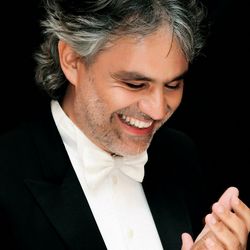
Andrea Bocelli, born on September 22, 1958, in Lajatico, Italy, is one of the world’s most celebrated tenors. Blind since the age of 12, Bocelli’s powerful voice and emotive performances have captivated audiences worldwide, blending opera with pop in a unique classical crossover style.
He rose to fame after winning the newcomers' section of the 1994 Sanremo Music Festival with "Il mare calmo della sera". Since then, Bocelli has recorded 15 studio albums and sold over 90 million records globally, with hits like "Con te partirò" becoming timeless classics. Honored with awards including a star on the Hollywood Walk of Fame, his remarkable journey combines passion, resilience, and extraordinary musical talent.
Have you ever tried to get a straight answer out of someone who just loves keeping you on the hook? That is the exact frustration behind "Quizás, Quizás, Quizás" (Perhaps, Perhaps, Perhaps). In this classical-pop duet, Italian tenor Andrea Bocelli teams up with Jennifer Lopez to sing about one of the most annoying games in romance: indecision. The narrator wants specifics, asking cuándo, cómo y dónde ("when, how, and where"), but gets hit with the same non-committal answer every single time: quizás ("maybe"). It is smooth, playful, and deeply exasperating all at once.
The lyrics do not waste time on subtle hints. The speaker bluntly calls out the other person with Estás perdiendo el tiempo / Pensando, pensando ("You are wasting time / Thinking, thinking") and begs Hasta cuándo, hasta cuándo ("Until when, until when"). While days slip away (Y así pasan los días), one person grows desperate (yo desesperando) while the other just floats along on maybes. If you are learning Spanish, notice how por lo que más tú quieras literally means "for what you love most," which works like the English plea "for heaven's sake." It perfectly channels that feeling of wanting to shake someone until they finally make up their mind.
Andrea Bocelli ve Jennifer Lopez'den klasik bir şarkının bu muhteşem yorumu, bir ilişkideki en sinir bozucu anlardan birini anlatıyor. Bir düşünsene: Partnerine sürekli ne zaman, nasıl ve nerede buluşacağınızı soruyorsun, yani "Que cuándo, cómo y dónde" (Ne zaman, nasıl ve nerede) diye... Ama aldığın tek cevap hep aynı: "Quizás, quizás, quizás" (Belki, belki, belki). Şarkıdaki kişi tam olarak bu durumda ve sabrı tükenmek üzere!
Şarkının sözleri bu çaresizliği çok basit ama etkili bir şekilde yansıtıyor. Günler geçiyor, "Y así pasan los días" (Ve günler böyle geçiyor), ama hiçbir şey değişmiyor. Şarkıcı giderek umutsuzlaşıyor, "Y yo desesperando" (Ve ben çaresizleşiyorum), çünkü karşısındaki kişi sadece "Pensando, pensando" (Düşünerek, düşünerek) zaman kaybediyor. Bu sürekli tekrar eden "belki"ler, bir cevap beklerken nasıl bir döngüye sıkışıp kalındığını harika bir şekilde hissettiriyor.
I den här spanskspråkiga kärlekssången sjunger Andrea Bocelli, den italienska artisten, om en person som ger sig helt när kärleken kommer. Refrängen säger: ”Cuando me enamoro, doy toda mi vida” [När jag blir kär ger jag hela mitt liv]. Det är ett stort och mycket direkt löfte. Ingen annan kan få honom att vända sig bort från det han känner: ”Y no existe nadie que pueda alejarme de lo que yo siento por ti” [Och det finns ingen som kan hålla mig borta från det jag känner för dig].
Andra människor tvivlar på hans sätt att visa kärlek. De säger att han inte kan leta upp blommor eller ge presenter, och att han fortfarande lider av gammal kärlek. Men han avfärdar det: ”Pero eso no es así, y tú lo sabes” [Men så är det inte, och det vet du]. Han litar på att personen han älskar känner honom bättre än ryktena gör. Den enkla önskan i slutet är fin och tydlig: ”Yo quiero ser feliz siempre contigo” [Jag vill vara lycklig alltid med dig]. Det här är en sång om full övertygelse, där hjärtat säger: jag kanske inte visar kärlek på det sätt andra väntar sig, men du vet vad jag känner.
Italian tenor Andrea Bocelli tackles one of the most famous romantic boleros ever written, and he keeps the drama dialed all the way up. The whole track is built on pure urgency. The singer begs their partner with the title phrase, "Bésame, bésame mucho" ("Kiss me, kiss me a lot"), treating the moment like a ticking clock: "Como si fuera esta noche la última vez" ("As if tonight were the last time"). It is an intense, slightly desperate plea where love and worry collide.
Why the rush? Fear of separation. The lyrics spell it out directly: "Que tengo miedo a perderte, perderte después" ("Because I'm afraid of losing you, losing you afterwards"). The singer wants absolute closeness right now—to look into their partner's eyes and have them by their side—because tomorrow brings distance: "Piensa que tal vez mañana / Yo ya estaré lejos, muy lejos de ti" ("Think that maybe tomorrow / I will already be far, very far from you"). Bocelli's classical style gives this simple fear of a lonely tomorrow a grand, operatic weight.
Tu as déjà essayé d'obtenir une réponse claire de quelqu'un qui refuse de s'engager ? C'est exactement le jeu d'attente que chantent le ténor italien Andrea Bocelli et Jennifer Lopez dans ce grand classique. Tout tourne autour d'une question répétée sans fin : « cuándo, cómo y dónde » (quand, comment et où). Mais au lieu d'une vraie réponse, la seule réplique en face reste un éternel et frustrant « Quizás, quizás, quizás » (Peut-être, peut-être, peut-être).
Le texte montre toute l'exaspération de celui qui attend pendant que l'autre hésite : « Y yo desesperando » (Et moi qui désespère) s'oppose à « Estás perdiendo el tiempo / Pensando, pensando » (Tu perds ton temps / À réfléchir, réfléchir). On entend même ce cri du cœur un peu dramatique, « Por lo que más tú quieras » (Par tout ce que tu as de plus cher), pour supplier l'autre d'arrêter de tergiverser et de dire enfin « Hasta cuándo » (Jusqu'à quand) durera ce petit manège.
Hast du jemals jemanden nach etwas gefragt und als Antwort nur ein Schulterzucken bekommen? Genau darum geht es in diesem Lied. Der italienische Opernstar Andrea Bocelli und die Pop-Ikone Jennifer Lopez singen über die unendliche Frustration, wenn man auf eine klare Antwort wartet, aber immer nur das Gleiche hört. Der Sprecher im Lied wird langsam wahnsinnig.
Immer wieder stellt er die entscheidenden Fragen: „Que cuándo, cómo y dónde“ (Wann, wie und wo), aber die Antwort ist jedes Mal ein ausweichendes „Quizás, quizás, quizás“ (Vielleicht, vielleicht, vielleicht). Die Zeit vergeht, und die Verzweiflung wächst: „Y así pasan los días / Y yo desesperando“ (Und so vergehen die Tage / Und ich verzweifle). Man kann die Ungeduld förmlich spüren, wenn er fragt: „Hasta cuándo, hasta cuándo“ (Bis wann, bis wann). Es ist ein klassisches Hin und Her, das in einem einfachen, aber quälenden Wort zusammengefasst wird: Vielleicht.
"Cuando Me Enamoro" is a promise, plain and direct. The title line itself, "Cuando me enamoro, doy toda mi vida" (When I fall in love, I give all my life), sets the terms before the song does anything else: this is a man telling someone exactly how much he's willing to hand over.
Then it turns defensive. He knows what people say about him: "Dicen que no sabré buscarte flores, que no podré ofrecerte ningún regalo" (They say I won't know how to find you flowers, that I won't be able to offer you any gift), and worse, "Dicen que yo he sufrido de mal de amores y que mi corazón no se ha curado" (They say I've suffered from lovesickness and that my heart hasn't healed). He answers all of it with one line: "Pero eso no es así, y tú lo sabes" (But that's not true, and you know it). The rest of the song just keeps circling back to that first promise, "de lo que yo siento por ti" (from what I feel for you), like he needs to say it enough times for it to stick.
Har du någonsin väntat på ett svar som aldrig riktigt kommer? Den här låten handlar om precis den känslan. Sångaren är fast i en loop och frågar sin partner om framtiden: "Siempre que te pregunto / Que cuándo, cómo y dónde" [Alltid när jag frågar dig / När, hur och var]. Men svaret är alltid lika vagt och frustrerande: "Tú siempre me respondes / Quizás, quizás, quizás" [Du svarar mig alltid / Kanske, kanske, kanske].
Dagarna går och sångarens tålamod tar slut. Hen blir alltmer desperat, "Y yo desesperando" [Och jag blir förtvivlad], medan partnern bara fortsätter att tänka och slösa bort tiden. Sångaren vädjar till slut: "Por lo que más tú quieras / Hasta cuándo, hasta cuándo" [För allt du håller kärt / Hur länge, hur länge]. Det är en klassisk historia om obeslutsamhet och den olidliga väntan på ett enkelt ja eller nej.
English speakers usually meet this melody as "Time to Say Goodbye", which rather misses what the Spanish version is doing. Nobody is leaving here. The singer is trying to get to someone. He opens alone, dreaming of "un horizonte falto de palabras" (a horizon short of words), and tells us "En la sombra y entre luces todo es negro para mi mirada" (in the shadow and among lights everything is black to my eyes) when she is not beside him. She has a world of her own, "Separado del mío por un abismo" (separated from mine by a chasm), and a chasm is why the answer has to be flight rather than a walk.
Then the title arrives, and keeps arriving. "Por ti volaré" (for you I will fly) repeats until it stops sounding like a promise and starts sounding like an itinerary, route included: "Por cielos y mares hasta tu amor" (over skies and seas to your love). The best bit is quieter than the big ending, though. In the second verse he describes "Una luna hecha para mí" (a moon made for me), lit for him and nobody else, and he still sounds lonely about it. A moon of your own is not much use when the person you want is on the other side of the water.
At first listen, you might think Italian tenor Andrea Bocelli and Colombian superstar Karol G are singing about an intense romance. They trade lines about living completely for "ella" (her), describing a presence that hits "como un beso" (like a kiss) and banishes loneliness. Karol G even jokes, "No te me pongas tan celoso" (Don't get so jealous on me), making it sound like a messy love triangle. They describe this obsession in ordinary places, from singing alone in a hotel room to playing a sad piano where "la muerte no existe" (death does not exist).
Then the song delivers its twist right before the end: "Ella se llama Música" (Her name is Music). The entire track is an open love letter to music itself, treated as a living partner who stays "fiel y sincera de por vida" (faithful and sincere for life). Bocelli sings that when music rings out in his throat, he can scare away his darkest sorrows. The duet treats art not as a simple hobby, but as a lifeline that punches without hurting and makes life worth repeating.
Andrea Bocelli tar sig an den här klassikern med all den dramatik man kan förvänta sig av en italiensk tenor. Budskapet är rakt på sak och nästan lite desperat: kyss mig nu, för imorgon kan allt vara över. Redan i öppningen sätter han ribban med raden "Bésame, bésame mucho / Como si fuera esta noche la última vez" (Kyss mig, kyss mig mycket / Som om ikväll vore sista gången). Det finns ingen tid för artig distans här. Han vill ha närhet direkt, och rädslan för vad som händer sedan driver hela texten framåt: "Que tengo miedo a perderte, perderte después" (För jag är rädd att förlora dig, förlora dig efteråt).
Det fina med texten är hur den målar upp ett fysiskt ögonblick av avsked utan att krångla till det. Han sjunger "Quiero tenerte muy cerca / Mirarme en tus ojos" (Jag vill ha dig väldigt nära / Se mig själv i dina ögon) och varnar direkt för morgondagen: "Piensa que tal vez mañana / Yo ya estaré lejos, muy lejos de ti" (Tänk på att imorgon kanske / Jag redan är långt, väldigt långt ifrån dig). Det är en enkel, direkt vädjan om att frysa tiden för en stund, framförd med den där operaskolade tyngden som gör varje stavelse livsviktig.
Wyobraź sobie, że ta noc jest twoją ostatnią szansą na bliskość. Włoski tenor Andrea Bocelli bierze na warsztat słynne wersy i zamienia je w czystą, niemal nerwową prośbę o czułość. Cały tekst kręci się wokół jednej natarczywej myśli: całuj mnie mocno, bo jutro może być za późno. Zamiast spokojnego romansu mamy tu lęk przed rozstaniem. Podmiot liryczny powtarza w kółko: Bésame, bésame mucho („Całuj mnie, całuj mnie mocno”) i od razu dorzuca powód: Que tengo miedo a perderte, perderte después („Bo boję się, że cię stracę, stracę cię później”). Ta obsesyjna powtarzalność pokazuje kogoś, kto nie potrafi cieszyć się chwilą, bo panicznie myśli o tym, co przyniesie poranek.
Druga zwrotka odkrywa powód tego pośpiechu: Piensa que tal vez mañana / Yo ya estaré lejos, muy lejos de ti („Pomyśl, że może jutro / Będę już daleko, bardzo daleko od ciebie”). To nie jest tania metafora, tylko konkretna perspektywa fizycznego wyjazdu. Zanim to nastąpi, bohater chce po prostu patrzeć w oczy ukochanej osoby i trzymać ją blisko (Mirarme en tus ojos, verte junto a mí – „Przeglądać się w twoich oczach, widzieć cię obok mnie”). Zwrot como si fuera esta noche la última vez („jakby tej nocy to był ostatni raz”) nadaje całości ton desperacji. W wykonaniu Bocellego ten klasyczny hiszpański tekst brzmi jak próba zatrzymania uciekającego czasu jednym, długim pocałunkiem.
Wyobraź sobie, że próbujesz coś zaplanować ze swoim partnerem, ale jedyne, co słyszysz w odpowiedzi, to... może. Włoska legenda opery, Andrea Bocelli, i gwiazda popu, Jennifer Lopez, łączą siły w tym klasyku, aby opowiedzieć historię o frustracji i niezdecydowaniu. Piosenka to w zasadzie jedno wielkie pytanie bez odpowiedzi. Podmiot liryczny ciągle pyta: „Siempre que te pregunto / Que cuándo, cómo y dónde” (Zawsze, gdy cię pytam / Kiedy, jak i gdzie), ale odpowiedź jest zawsze taka sama: „Quizás, quizás, quizás” (Może, może, może).
Z każdym kolejnym „może” narasta desperacja. Dni mijają („Y así pasan los días”), a piosenkarz czuje się coraz bardziej bezradny („Y yo desesperando”). Oskarża swoją drugą połówkę o marnowanie czasu na ciągłe rozmyślanie: „Estás perdiendo el tiempo / Pensando, pensando” (Marnujesz czas / Myśląc, myśląc). To prosta, ale bardzo wymowna piosenka o byciu w zawieszeniu, kiedy jedna osoba jest gotowa na kolejny krok, a druga po prostu nie potrafi podjąć decyzji.
Бывало у вас такое, когда вы ждете от человека четкого ответа, а получаете лишь вечное «может быть»? Именно об этом поют Андреа Бочелли и Дженнифер Лопес. Вся песня построена вокруг одного мучительного вопроса. Герой буквально допрашивает партнера: «Siempre que te pregunto / Que cuándo, cómo y dónde» («Каждый раз, когда я тебя спрашиваю: когда, как и где»). Но в ответ летит только уклончивое: «Quizás, quizás, quizás» («Возможно, возможно, возможно»). Это не просто нерешительность, это настоящая любовная пытка неопределенностью!
Герой постепенно теряет терпение: «Y yo desesperando» («А я впадаю в отчаяние»). Он прямо упрекает собеседника в пустой трате времени: «Estás perdiendo el tiempo / Pensando, pensando» («Ты теряешь время в раздумьях, раздумьях»). Фраза «Por lo que más tú quieras» здесь работает как эмоциональная мольба — что-то вроде нашего «ради всего святого» или «умоляю тебя». Герой отчаянно молит сказать хоть какую-то правду: «Hasta cuándo, hasta cuándo» («До каких пор, до каких пор?»). Но песня так и зацикливается на этом вечном «quizás», оставляя вопрос висеть в воздухе.
Ця пісня — суцільна розмова двох людей, де один благає про ясність, а інший постійно тікає від прямої відповіді. Італійський тенор Андреа Бочеллі разом із Дженніфер Лопес перетворюють класичний іспаномовний мотив на дуже знайому життєву драму. Головний герой буквально знемагає від невизначеності: щоразу, коли він ставить конкретні питання — «Que cuándo, cómo y dónde» («Коли, як і де»), то чує у відповідь лише безкінечне й неквапливе «Quizás, quizás, quizás» («Можливо, можливо, можливо»).
Замість романтичних зізнань тут звучить справжнє роздратування та відчай. Слова «Y así pasan los días / Y yo desesperando» («І так минають дні, а я у відчаї») чудово передають цей стан, коли час іде, а ситуація стоїть на місці. Прямий докір «Estás perdiendo el tiempo / Pensando, pensando» («Ти марнуєш час у постійних роздумах») показує втому від чужих вагань. Якщо вам колись морочили голову замість простого «так» чи «ні», цей трек стане вашим ідеальним саундтреком.
Somos Novios is a classic bolero written by Armando Manzanero, sung here as a duet by Andrea Bocelli and Christina Aguilera.
The song describes a couple whose love feels settled and complete — they have already won the greatest thing this world offers just by belonging to each other. They share tenderness, quiet moments, and even the occasional small quarrel, but nothing shakes the calm certainty of being boyfriend and girlfriend, always devoted to one another.
İtalyan tenor Andrea Bocelli'nin sesinden dinlediğimiz bu parça, aslında ayrılık korkusuyla dolu çok doğrudan bir yakarış. Şarkının adı olan "Bésame mucho" (Beni çok öp) sözü nakarat boyunca bir an bile durmadan tekrarlanıyor. Sebebi ise gizemli ya da karmaşık bir metafor değil; şarkıcı açıkça "Como si fuera esta noche la última vez" (Sanki bu gece son kezmiş gibi) diyerek bu anın hemen bitebileceğini söylüyor. Ayrılık kapıda ve tek çare zamana meydan okurcasına sarılmak.
İlerleyen dizelerde bu telaş daha da netleşiyor: "Quiero tenerte muy cerca / Mirarme en tus ojos, verte junto a mí" (Seni çok yakında tutmak, gözlerinde kendime bakmak, seni yanımda görmek istiyorum). Sevgilinin gözlerinde kendi yansımasını arayacak kadar yakın olma isteği var. Çünkü aklında tek bir ihtimal dolanıp duruyor: "Piensa que tal vez mañana / Yo ya estaré lejos, muy lejos de ti" (Düşün ki belki yarın, ben senden çok, çok uzakta olacağım). Şarkının bütün derdi işte bu iki dizede gizli: Yarın mesafe girecek, bu yüzden "Que tengo miedo a perderte, perderte después" (Çünkü seni kaybetmekten, sonrasında kaybetmekten korkuyorum) korkusu tüm geceyi sarıyor.
At first, this duet sounds like an intense love drama. Italian tenor Andrea Bocelli and Spanish singer Marta Sánchez sing back and forth about an obsession that rules their entire world. He opens with "Vivo por ella sin saber si la encontré o me ha encontrado" ("I live for her without knowing if I found her or she found me"). She tells him not to get jealous because this lady is by her side to silence loneliness. The imagery gets dramatic quickly: they sing that she lands a punch that doesn't hurt ("es un puño que no duele"), and Marta sings that she lives in her throat to scream out her darkest sorrows ("ella canta en mi garganta / Mis penas mas negras de espanto").
Then comes the big twist right near the end: the mystery lover is not a human being at all. Bocelli admits, "ella se llama música" ("her name is music"). Once that secret drops, every grand line clicks into place. The piano that chases away death, the bright lights from a theater box ("desde un palco"), and the unconditional loyalty ("Fiel y sincera de por vida" / "Faithful and honest for life") turn out to be a massive, romantic tribute to the art of making sound.
This is a bolero written by Agustín Lara long before Bocelli ever sang it, and the whole song rests on one claim, said twice: "Solamente una vez" (Just once). Not more than that, not "sometimes" or "again and again." The verse that follows explains why once is enough: "Solamente una vez en mi huerto brilló la esperanza" (Just once in my garden, hope shone bright), a hope Bocelli calls "la esperanza que alumbra el camino de mi soledad" (the hope that lights the way of my solitude).
When that love actually arrives, Lara doesn't reach for anything bigger than the ordinary sound of celebration: "Una vez nada más se entrega el alma" (Only one time, the soul gives itself), and once it does, "hay campanas de fiesta que cantan en mi corazón" (Bells of celebration sing in my heart). This live recording leans hard into that: the melody stretches out, and the closing line comes back around like Bocelli isn't ready to let it end either.
Andrea Bocelli brengt met Bésame Mucho een klassieke smeekbede vol urgentie en verlangen. De hele tekst draait om één duidelijke wens: kussen alsof er geen morgen is. Met de openingszin "Bésame, bésame mucho / Como si fuera esta noche la última vez" (Kus me, kus me veel / Alsof het vanavond de laatste keer is) zet hij meteen de toon. Er zit haast achter de liefde, want de zanger is bang om de ander kwijt te raken: "Que tengo miedo a perderte, perderte después" (Want ik ben bang je te verliezen, je later te verliezen).
Het mooie aan deze tekst zit in de eenvoud van de beelden. Geen ingewikkelde metaforen, maar pure nabijheid: "Quiero tenerte muy cerca / Mirarme en tus ojos, verte junto a mí" (Ik wil je heel dichtbij hebben / Mezelf in je ogen zien, je naast me zien). Die angst om de ander te verliezen wordt meteen concreet gemaakt in de volgende regels: "Piensa que tal vez mañana / Yo ya estaré lejos, muy lejos de ti" (Bedenk dat ik morgen misschien / Al ver, heel ver weg van jou zal zijn). Die gedachte aan een naderend afscheid maakt elke kus in dit nummer extra dringend.
У «Bésame Mucho» Андреа Бочеллі, італійський співак, виконує іспанську пісню про поцілунок, якого закохана людина просить так, ніби ця ніч може бути останньою. Повтор «Bésame, bésame mucho» [«Цілуй мене, цілуй мене багато»] звучить дуже прямо й навіть трохи відчайдушно: герой боїться втратити кохану людину згодом. Фраза «Como si fuera esta noche la última vez» [«Ніби сьогодні ввечері це востаннє»] не означає, що розлука точно станеться. Вона показує страх перед нею та бажання прожити теперішню мить якомога повніше.
Далі прохання стає ще особистішим: «Quiero tenerte muy cerca» [«Я хочу тримати тебе зовсім близько»], дивитися в очі й бачити кохану людину поруч. Але завтра все може змінитися: «Yo ya estaré lejos, muy lejos de ti» [«Мене вже не буде поруч, я буду дуже далеко від тебе»]. Саме тому пісня тримається на простій напрузі між близькістю зараз і можливою відстанню завтра. Її слова не ховаються за складними образами: це ніжне, настійливе прохання залишитися поруч і поцілувати так, ніби часу майже не залишилося.
Sabe aquele momento em que você quer uma resposta direta e a pessoa só enrola? É exatamente essa agonia que o tenor italiano Andrea Bocelli e Jennifer Lopez cantam neste clássico. A letra inteira gira em torno de uma conversa travada: quem pergunta quer saber detalhes práticos com “cuándo, cómo y dónde” (quando, como e onde), mas só recebe de volta a palavra mais vaga do vocabulário: “Quizás, quizás, quizás” (Talvez, talvez, talvez).
O ritmo suave esconde uma impaciência real. A voz que pergunta vai ficando aflita e dispara: “Estás perdiendo el tiempo / Pensando, pensando” (Você está perdendo tempo / Pensando, pensando) e apela com “Por lo que más tú quieras” (Pelo que você mais ama / Por tudo o que é mais sagrado). Enquanto isso, a resposta continua sendo a mesma dúvida eterna, deixando claro o contraste entre quem quer agir e quem prefere ficar em cima do muro.
Stel je voor: je stelt je geliefde een simpele vraag over jullie toekomst samen, zoals "Que cuándo, cómo y dónde" (Wanneer, hoe en waar), en het enige antwoord dat je krijgt is een eindeloos herhaald "Quizás, quizás, quizás" (Misschien, misschien, misschien). Dat is de kern van dit beroemde lied, hier uitgevoerd door de Italiaanse operazanger Andrea Bocelli en popster Jennifer Lopez. Het is een lied over de frustratie van onzekerheid in de liefde.
De zanger wordt langzaam gek van het wachten. De dagen gaan voorbij ("Y así pasan los días") en de wanhoop groeit ("Y yo desesperando"). Hij of zij beschuldigt de ander van het verspillen van tijd door alleen maar na te denken: "Estás perdiendo el tiempo / Pensando, pensando" (Je verspilt je tijd / Met denken, denken). Het is een universeel gevoel: de behoefte aan een duidelijk antwoord, terwijl de ander zich verschuilt achter een muur van 'misschien'.

