VIVO POR ELLA Lyrics in English by ANDREA BOCELLI, KAROL G
Musa translates to "muse," referring to a source of artistic inspiration, often personified as a goddess in mythology.
In "Vivo Por Ella," the singer dedicates his life to a mysterious "her." The word musa is the perfect clue to her identity, describing her as the divine force that inspires him to create. The song's beautiful reveal is that this muse is none other than "Música" (Music) itself.
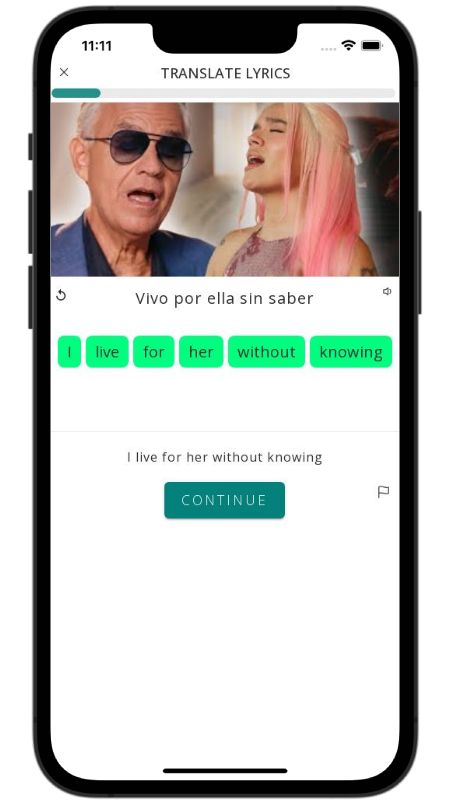
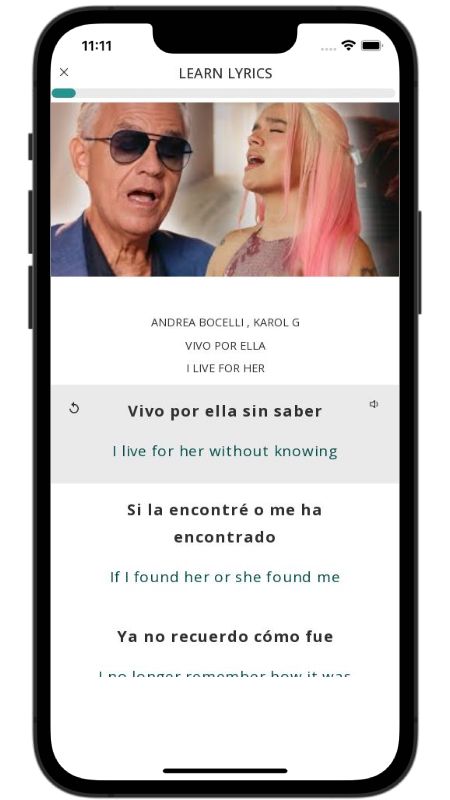
At first listen, you might think Italian tenor Andrea Bocelli and Colombian superstar Karol G are singing about an intense romance. They trade lines about living completely for "ella" (her), describing a presence that hits "como un beso" (like a kiss) and banishes loneliness. Karol G even jokes, "No te me pongas tan celoso" (Don't get so jealous on me), making it sound like a messy love triangle. They describe this obsession in ordinary places, from singing alone in a hotel room to playing a sad piano where "la muerte no existe" (death does not exist).
Then the song delivers its twist right before the end: "Ella se llama Música" (Her name is Music). The entire track is an open love letter to music itself, treated as a living partner who stays "fiel y sincera de por vida" (faithful and sincere for life). Bocelli sings that when music rings out in his throat, he can scare away his darkest sorrows. The duet treats art not as a simple hobby, but as a lifeline that punches without hurting and makes life worth repeating.