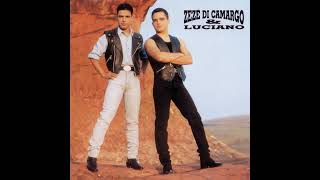
Tapa Na Cara Lyrics in English by Zezé Di Camargo & Luciano
Tapa na cara literally translates to "slap in the face". It's a vivid and impactful idiom that immediately conveys a sense of shock, betrayal, or harsh reality.
In the context of the song, it's used to describe the painful realization and emotional blow of being rejected by someone you love. The lyrics state, "Tapa na cara eu sei que vai doer / Mas não dói mais do que perder você" (A slap in the face, I know it will hurt / But it doesn't hurt more than losing you), highlighting the intense emotional pain of the situation.
"Tapa Na Cara" is Zezé Di Camargo & Luciano doing what sertanejo duos do best, turning a breakup into something almost violent in its plainness. The title says it outright, a slap in the face, and the hook makes the comparison literal: "Tapa na cara eu sei que vai doer" (A slap in the face, I know it's going to hurt), "Mas não dói mais do que perder você" (but it doesn't hurt more than losing you). Getting hit stings less than getting dumped.
The verses set the scene before that chorus lands. He's chasing someone who's already gone: "Vejo uma porta entreaberta" (I see a door left ajar), reading a half-open door as hope when it's really just an exit. Then she shuts it for good: "Bateu a porta e me disse não" (She slammed the door and told me no). He tries filling the gap with other lips and can't: "Toda vez que procuro seu beijo" (Every time I chase your kiss), "Me perco, me afogo em solidão" (I get lost, I drown in loneliness). By the end he's stopped pretending he'll get over it: "É uma ilusão pensar que um dia" (It's wishful thinking to believe that one day), "Eu possa te esquecer" (I could forget you).