Se Te Amo Lyrics in English by Quinta do Bill
Agita comes from the verb agitar, meaning to stir, shake, or get agitated. It's a versatile word that can describe physical movement or emotional turmoil.
In this song, the lyric "O homem que não se agita" (The man who does not stir/get agitated) refers to someone who remains passive or unfeeling, perhaps even indifferent to the world around them. It's an interesting choice that highlights a contrast between emotional engagement and detachment, making you wonder what kind of man the singer is describing.
Quinta do Bill bring some solid, energetic Portuguese rock with "Se Te Amo", and the message hits straight between the eyes: stop hesitating and just say what you feel.
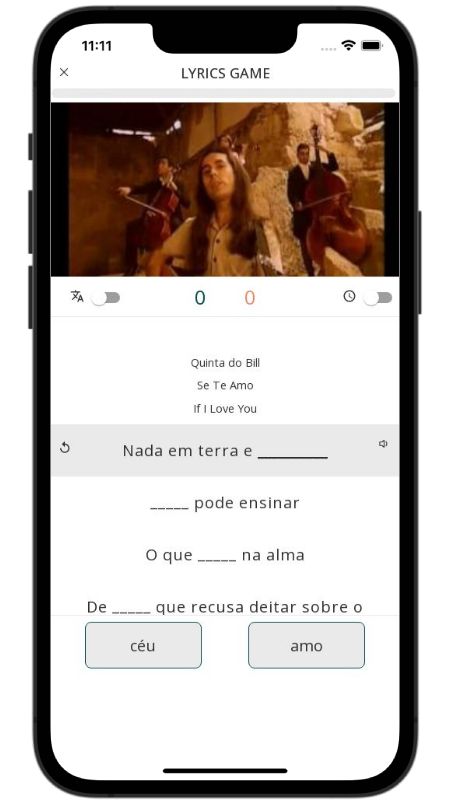
The song kicks off with pure defiance. The singer declares that nothing in heaven or earth can teach what goes on in the soul of someone who refuses to lie down on the ground: "alguém que recusa deitar sobre o chão" ("someone who refuses to lie down on the ground"). He rejects passive people who do not stir or fight ("O homem que não se agita" / "The man who does not stir"), claiming they are stuck too close to the world and too far from God ("Tão perto do mundo / Tão longe de Deus"). His answer to all that passivity? A bold, repeated refusal to stay down: "Eu não" ("Not me").
That same boldness carries into his romantic confession. Instead of hiding his feelings behind doubts or pride, he belts out that he has zero shame in saying or writing it down: "Ahhh se te amo, se não tenho / Ahhh a vergonha de o dizer" ("Ah, if I love you, if I have / Ah, no shame in saying it"). In Portuguese, "ter vergonha" literally means "to have shame," but in everyday speech it means being shy or embarrassed. Here, he drops all embarrassment entirely. It is loud, direct, and completely unapologetic about putting love into spoken words and writing.