Vete Pa La Lyrics in English by Lele Pons
Bruja literally translates to "witch". It's a captivating and memorable word that immediately sparks curiosity, making it stand out from common vocabulary.
In the song, Lele Pons warns an ex-lover, "Tengo una amiga bruja y otra espía" (I have a witch friend and another spy). This line adds a playful yet menacing tone, suggesting that she has powerful allies who will keep an eye on him. It's a fun and culturally rich word to learn, often used in a lighthearted or even empowering way in modern Spanish.
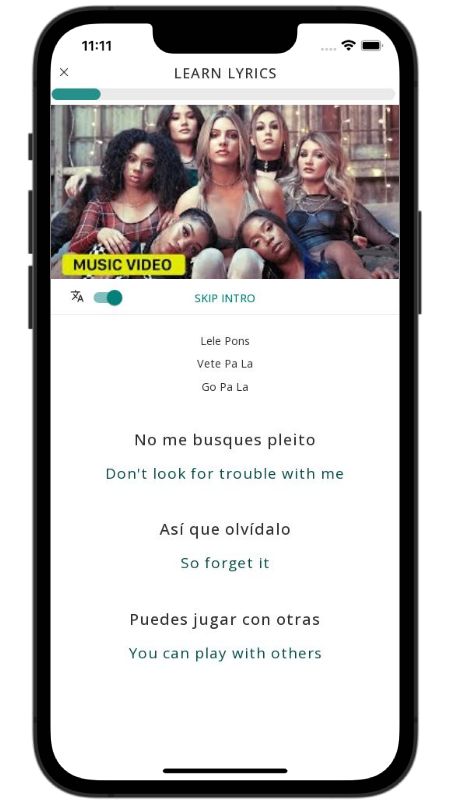
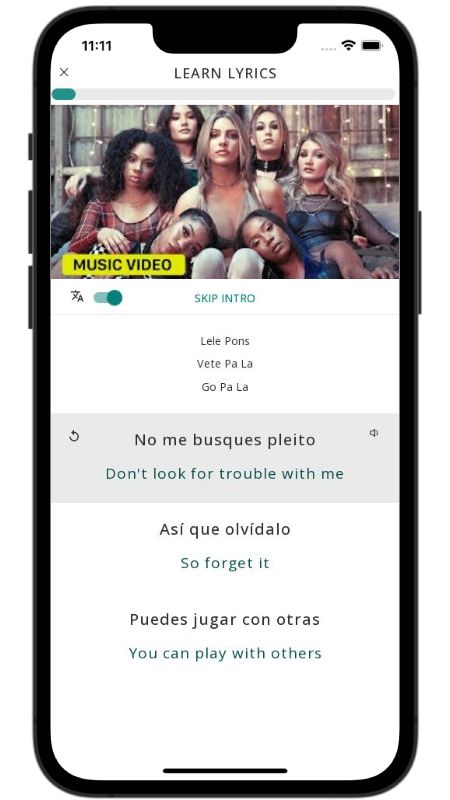
Venezuelan-American star Lele Pons brings pure fiery attitude in "Vete Pa La", a blunt kiss-off track aimed directly at an unfaithful ex. She lays down the law from the jump: "Puedes jugar con otras / Pero conmigo no" ("You can play with others, but not with me"). When she warns him that "La mirada siempre te delata" ("Your look always gives you away"), she is calling out his cheap excuses before he can even start talking. To make things even funnier, she boasts about having a whole crew keeping tabs on him: "Tengo una amiga bruja y otra espía / La otra trabaja en la CIA" ("I have a witch friend and another who is a spy; the other works in the CIA"). That is not subtle detective work; she is telling him straight up that his games will never work on her.
The heart of the track revolves around the unfairness of their bond. Lele sings that she stood by him through thick and thin—"En las buenas y en las malas / Yo siempre estuve ahí pa' ti" ("Through good times and bad times, I was always there for you")—while he vanished when she needed the same loyalty back. The title phrase itself cuts right to the chase: "vete pa' la" is shorthand for sending someone packing to a bad place, a polite cutoff of a much harsher Spanish brush-off. Add in her absolute refusal of his sweet talk ("Así que no vengas con tu palabreo" ["So don't come at me with your sweet talk/chatter"]), and you get an upbeat, sharp anthem about kicking dead weight out of your life for good.