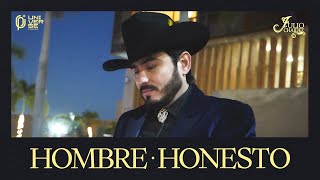
La Espoleta De Nachito Lyrics in English by Julio Chaidez
Espolera literally translates to "spur," like the sharp metal device worn on a rider's heel to urge a horse forward. It's a less common word in everyday Spanish, making it intriguing.
In the context of the song, which is titled "La Espoleta De Nachito" (Nachito's Spur), and given the themes of bravery, loyalty, and confrontation, "espolera" likely symbolizes the driving force, courage, or even the decisive action of Nachito. It suggests something that propels action or marks a significant impact, making it a powerful and memorable word choice.
This song, "La Espoleta De Nachito," is a powerful corrido that tells the story of Nachito Coronel, a figure clearly respected and feared. The lyrics immediately throw us into a conflict, saying "si mataron uno aunque aaron otros dos y les van a dar batalla" [if they killed one, even if two others came, they will give them battle], suggesting a fierce loyalty and a readiness for revenge. Nachito's name carries a lot of weight, as "tiene mucho peso el nombre de nachito coronel" [the name of Nachito Coronel has a lot of weight], and he was known for never betraying anyone: "la traición no iba con él" [betrayal was not with him].
The song really emphasizes Nachito's bravery and courage, stating that "para morir la razón hay que tener los arrestos y coronel los tenía en su lugar y bien puestos" [to die for a reason, one must have the guts, and Coronel had them in their place and well-placed]. He was always loyal to his friends and ruthless with his enemies, and the song suggests that after his death, "los hombres valientes se regaron con su sangre" [brave men were scattered with his blood], implying a lasting impact and perhaps a continuation of his fight. The final lines are quite striking, saying that with Nachito's death, "le quitaron las boletas" [they took away his fuse], which is a strong metaphor for disarming or stopping him, but also leaves a sense of unfinished business and potential for revenge.