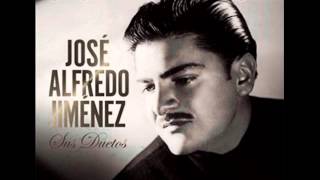
La Sota De Copas Lyrics in English by José Alfredo Jiménez
Cantinera refers to a female bartender, specifically one who works in a cantina or bar. It's a word deeply rooted in Mexican culture and the setting of many ranchera songs.
In "La Sota De Copas," the singer likens his love interest to a beautiful cantinera who, despite her charm, lets her customers (or in this case, lovers) slip away. It's a unique and evocative term that paints a vivid picture of the song's narrative and cultural context.
José Alfredo Jiménez turns a deck of cards into an insult. The sota de copas — the jack of cups in the Spanish deck — is the card he deals the woman who served him: "Tú eres la sota de copas / Muy bonita cantinera / Pero se te van los clientes" ("You are the jack of cups, a very pretty barmaid, but your customers keep leaving"). The line praises her and writes her off at once.
The rest is a man counting what the bar cost him. He left the bottle behind — "Por ahí dejé la botella / Donde me bebí tu amor" ("I left the bottle over there, where I drank your love") — and someone else picked it up. He measures the world by the room he is standing in: "El mundo es una cantina / Tan grande como el dolor" ("The world is a cantina, as big as the pain"). By the last verses he has stopped arguing and started pronouncing: "Árbol que nace torcido / No se endereza jamás" ("A tree born crooked never straightens"). He is not asking her to change.