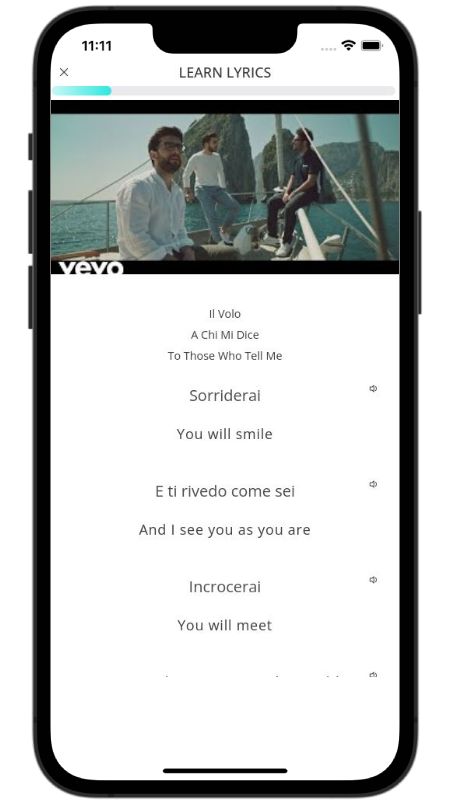
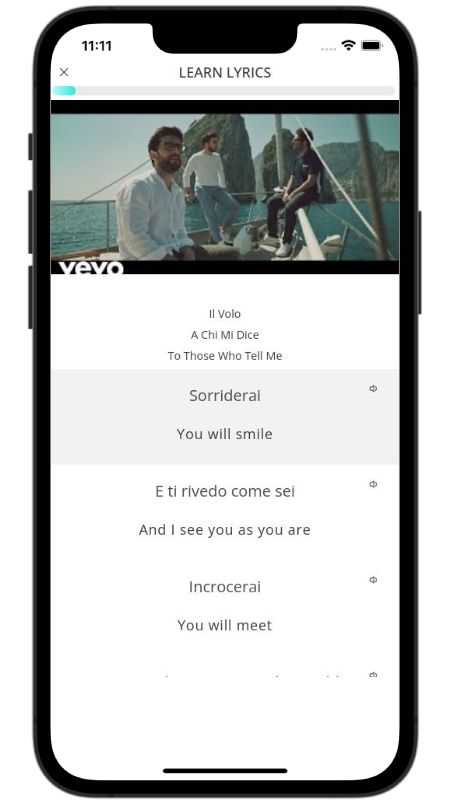
A Chi Mi Dice Lyrics in English by Il Volo
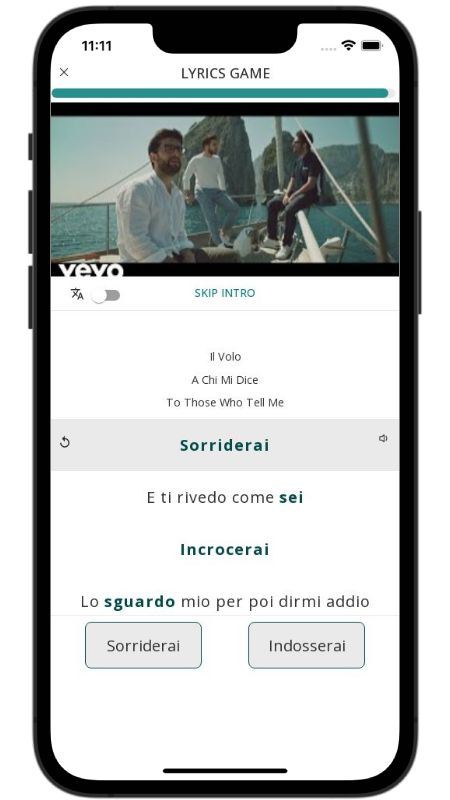
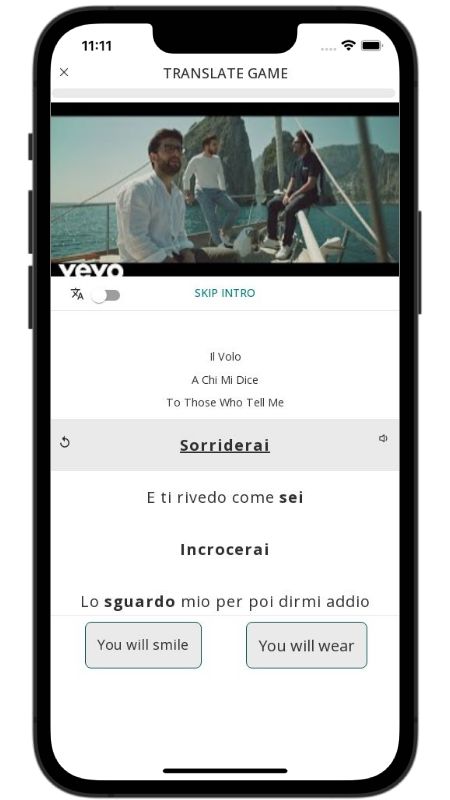
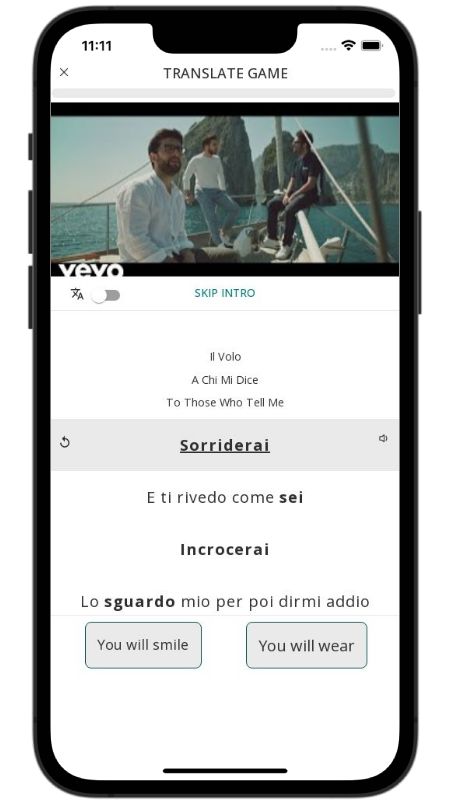
Indosserai means "you will wear". While this verb is typically used for putting on clothes, this song uses it in a beautiful, metaphorical way.
Il Volo sings, "Indosserai sorrisi, allegria, ma senza magia" (You will wear smiles, cheerfulness, but without magic). This paints a vivid picture of someone putting on a happy face to hide their true feelings after a breakup, suggesting the smiles aren't genuine. It's a poignant and memorable use of an everyday word.
Have you ever had an ex who acts completely fine while you are quietly falling apart? That sting is the core of "A Chi Mi Dice" by Italian vocal powerhouse Il Volo. The speaker knows the story is finished, but people keep offering useless optimism. He responds flatly with "A chi mi dice / Che tornerai / Non credo oramai" ("To whoever tells me that you'll return, I don't believe it anymore"). The word oramai (or ormai) is a great Italian term to learn here: it translates roughly to "by now" or "at this point," signaling that all hope has expired. There is a sharp contrast between how both people handle the breakup. While he admits "Ho perso tutto" ("I lost everything"), he notes that his former partner refuses to lose: "tu non riesci a perdere mai" ("you never manage to lose").
The most painful detail comes down to a single gesture. When someone mentions that he is suffering, she does not soften; instead, "Tu sorridi voltandoti / Verso lui" ("You smile, turning toward him"). Her happiness is not even real to him, though. He claims she puts on charm like a costume with "Indosserai / Sorrisi, allegria, ma senza magia" ("You will wear smiles, cheerfulness, but without magic"). Even as he plans to wander from place to place ("E girerò le città" / "And I will travel through the cities"), he knows it will not work because "non ti scorderò" ("I won't forget you"). It is blunt, slightly bitter, and completely honest about watching someone move on without looking back.